𝐇𝐞𝐫 𝐕𝐨𝐢𝐜𝐞 𝐢𝐧 𝐏𝐞𝐚𝐜𝐞𝐛𝐮𝐢𝐥𝐝𝐢𝐧𝐠
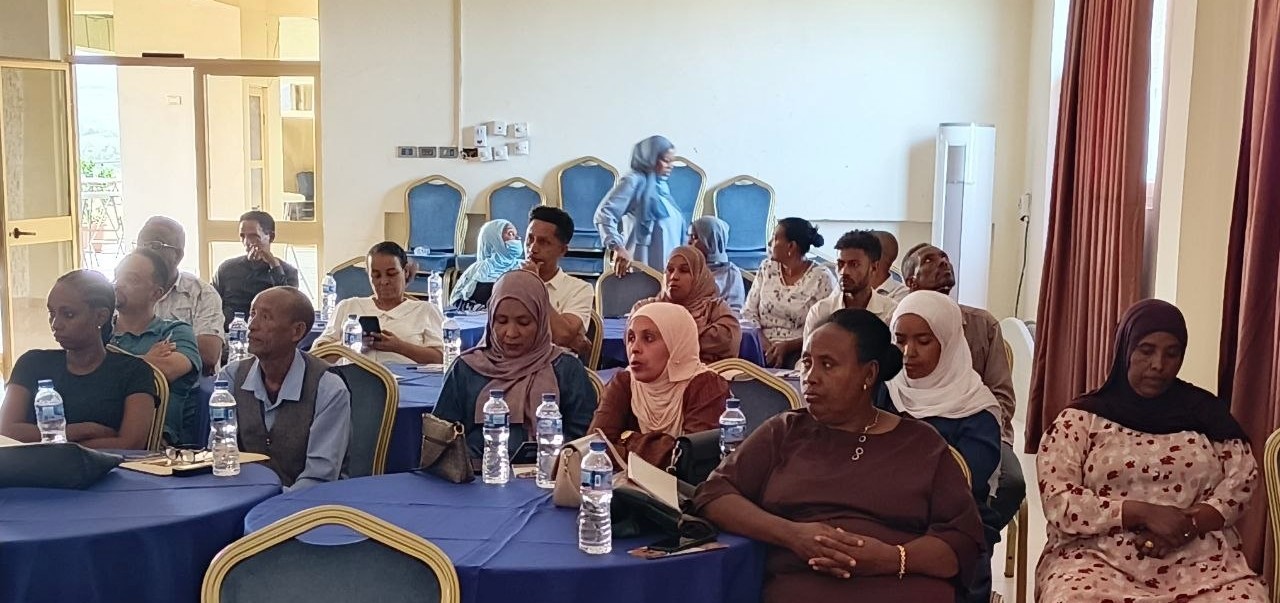
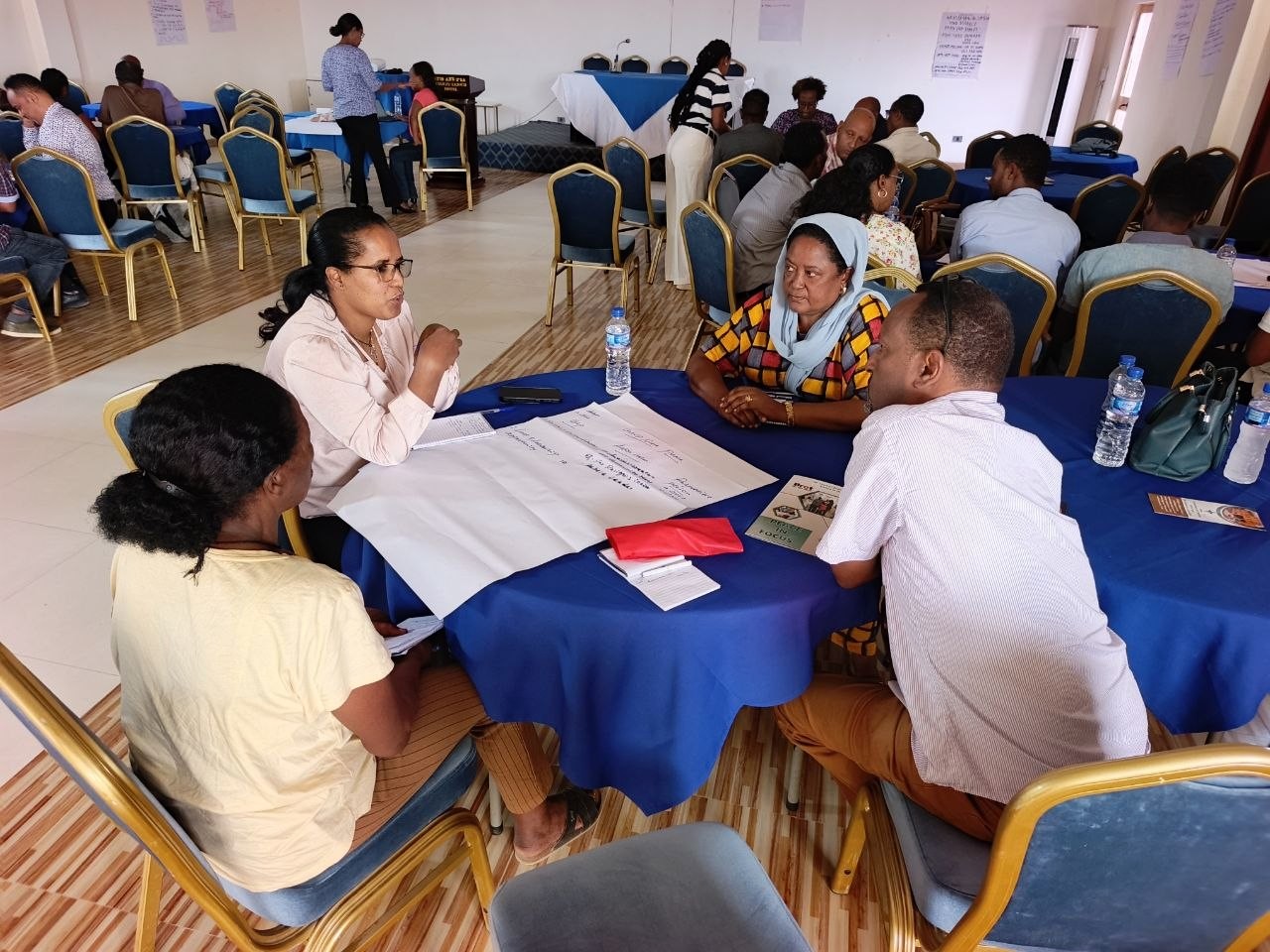
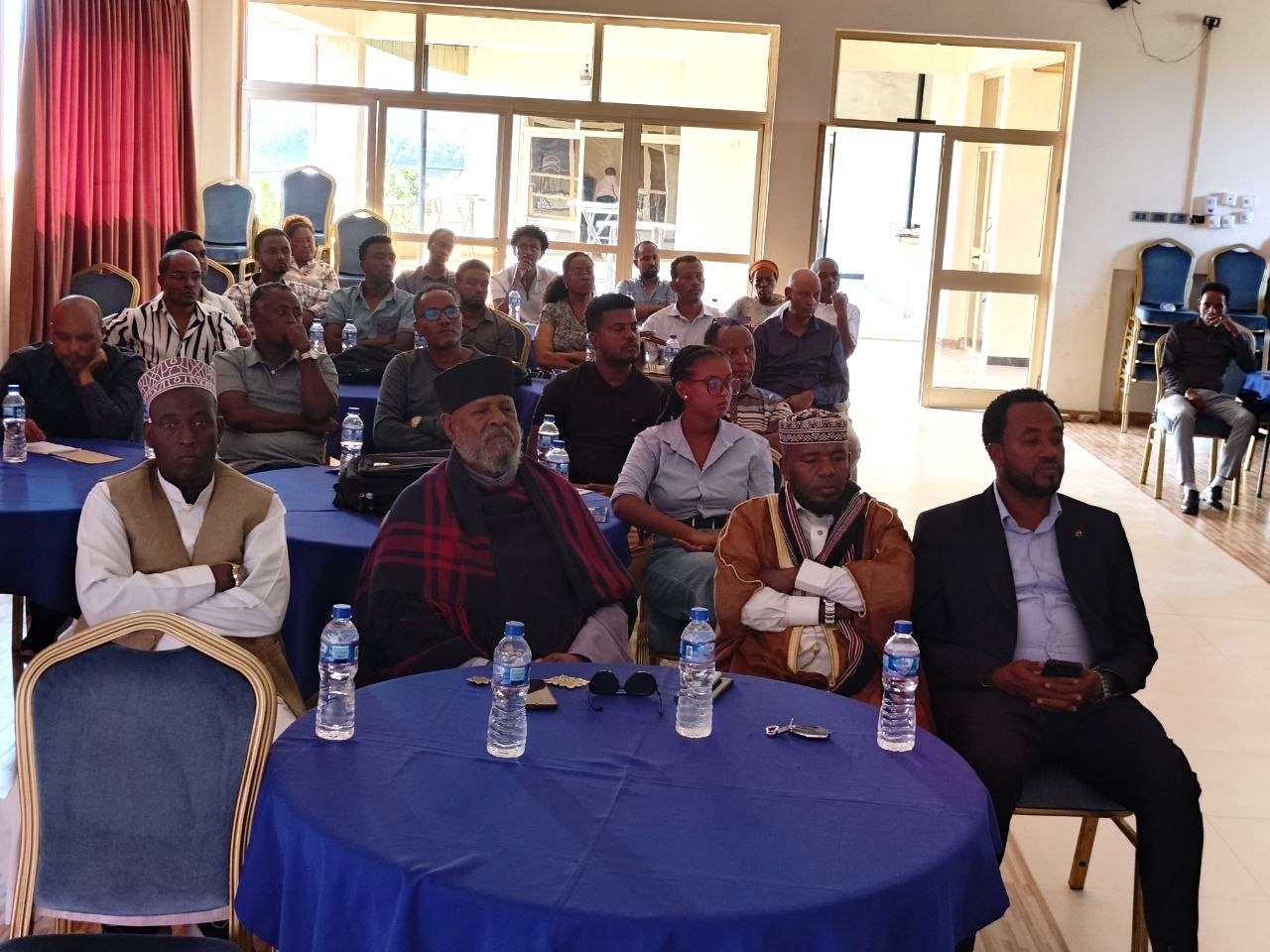
The workshop brought together representatives from government offices, including Women and Social Affairs and Peace and Security offices, civil society organizations, women’s rights organizations, grassroots women peacebuilders, community leaders, youth-led peace initiatives, and development partners. The engagement provided a platform for participants to exchange experiences, examine existing challenges, and identify opportunities for coordinated advocacy to strengthen women’s participation in local peace and security processes.
A key discussion focused on United Nations Security Council Resolution 1325 (UNSCR 1325), a landmark international framework that recognizes the importance of women’s equal participation and leadership in conflict prevention, peace negotiations, peacebuilding, and post-conflict recovery. The presentation also examined Ethiopia’s constitutional commitments to gender equality and the contributions of women to grassroots peace initiatives. However, it highlighted the continuing gap between established policy commitments and their implementation, particularly in formal peace negotiations and security decision-making structures, where women’s representation remains limited.
The discussion further explored the structural and institutional factors affecting women’s participation in peacebuilding. These include deeply rooted patriarchal norms, traditional male-dominated mediation structures, limited economic opportunities, disproportionate unpaid care responsibilities, and inadequate access to specialized negotiation and leadership training. Weak implementation of gender equality policies and security-related challenges in conflict-affected areas also affect women’s ability to participate consistently and effectively in peace processes.
Participants emphasized the need to address these challenges through stronger institutional commitment, coordinated advocacy, and collaboration between government offices, civil society organizations, women’s networks, and community-based initiatives. Strengthening women’s access to leadership opportunities, decision-making platforms, and relevant capacity-building initiatives was identified as important to advancing inclusive peacebuilding.
Through this workshop, CCRDA is supporting dialogue and collaborative advocacy to promote women’s meaningful participation in peace and security processes in Harar and Dire Dawa. The engagement underscores the importance of translating gender equality commitments into practical actions that recognize women’s contributions and strengthen their representation in peacebuilding and decision-making.
Lasting and inclusive peace requires women’s meaningful participation at all levels, from community-based initiatives to formal decision-making structures. Ensuring that women have opportunities to contribute their perspectives, experience, and leadership is an important part of strengthening locally driven peacebuilding efforts and advancing sustainable social cohesion.