
Building a Culture of Safeguarding
Safeguarding is a fundamental responsibility of institutions, particularly civil society organizations in Ethiopia that work closely with communities, children, and vulnerable groups. It encompasses the policies, procedures, and practical measures put in place to prevent and respond to abuse, exploitation, harassment, and other forms of harm. At its core, safeguarding is about ensuring that everyone, especially children and adults at risk, is treated with dignity and respect and protected from harm in all aspects of an organization’s work.
For civil society organizations in Ethiopia, strengthening safeguarding practices is essential to promoting safe, inclusive, and accountable working environments. Beyond establishing policies and procedures, organizations have a responsibility to ensure that protection is embedded in their institutional culture, programs, partnerships, and day-to-day operations.
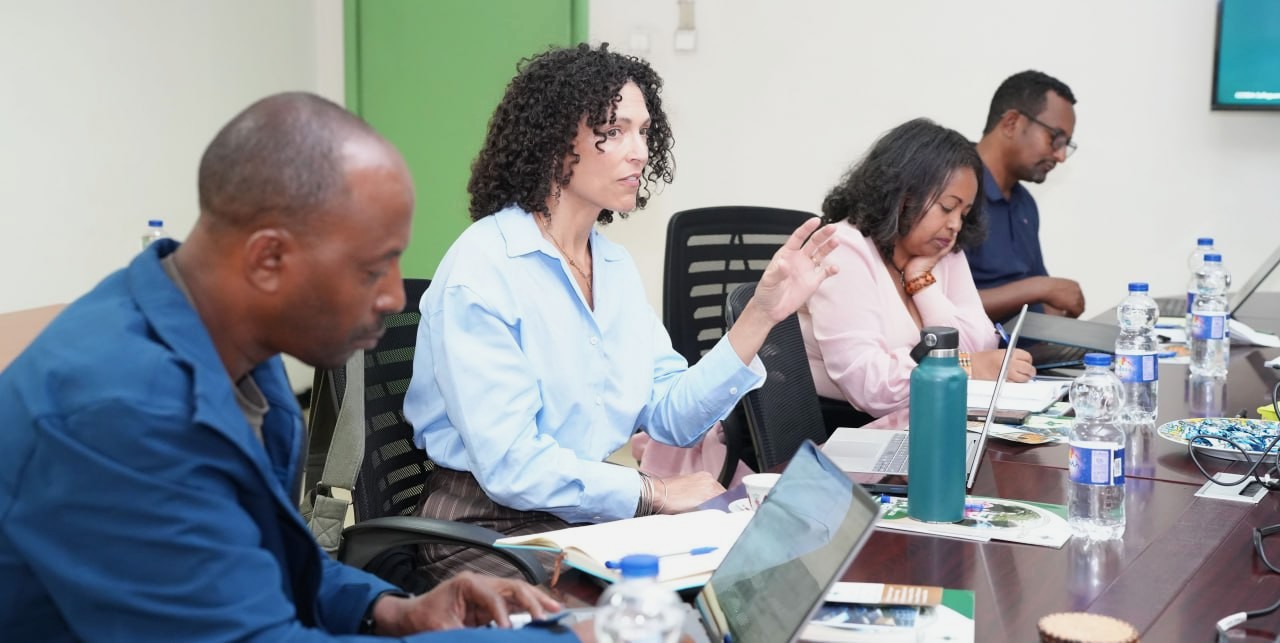
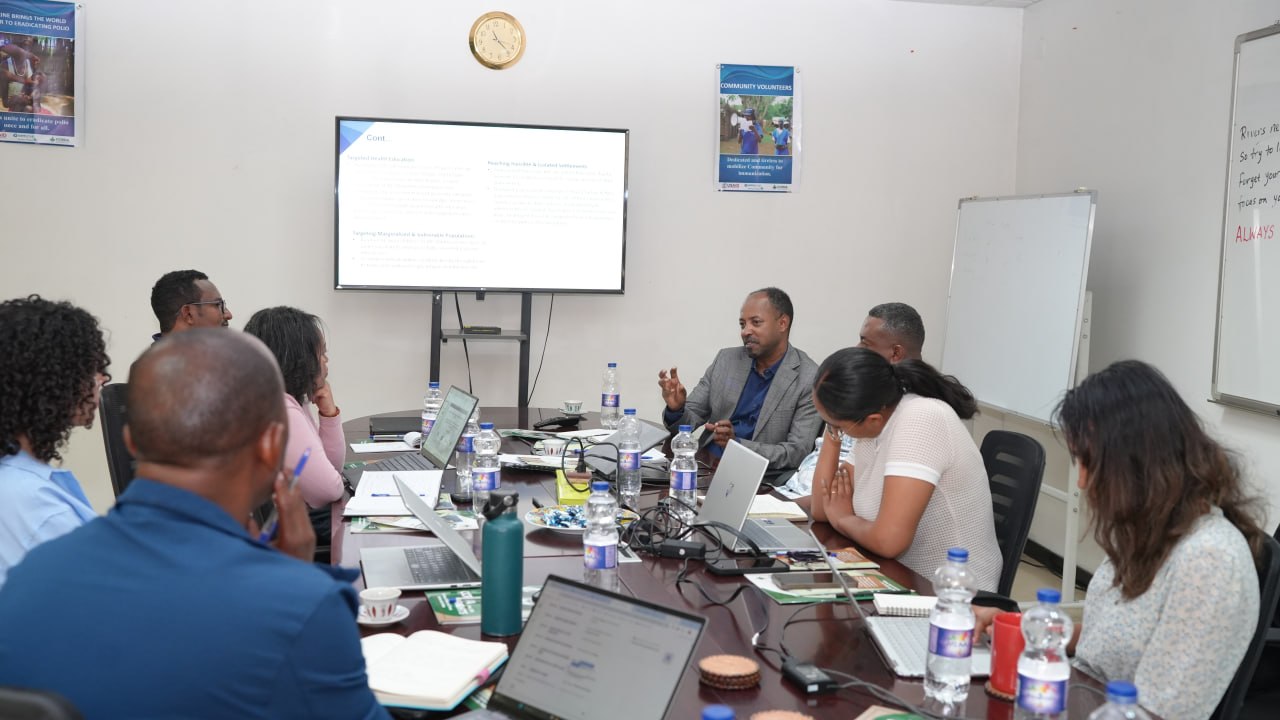
Recognizing the importance of this commitment, the Consortium of Christian Relief and Development Associations (CCRDA), together with the Core Group Partners Project (CGPP), held a discussion on November 11, 2026, with Stacey Williams, Safeguarding Managing Director at Save the Children US. The discussion focused on strengthening safeguarding practices within the project implemented in collaboration with Save the Children US, exploring opportunities to reinforce safeguarding standards, improve policy implementation, and promote a stronger culture of protection and accountability across project activities and partner institutions.
The discussion provided an opportunity to review CCRDA’s existing safeguarding policy and its implementation, including how safeguarding standards are integrated into staff recruitment, institutional operations, and engagement with member organizations and partners. It also explored practical approaches to strengthening safeguarding commitments and ensuring that protection measures are consistently upheld throughout the organization’s wider network.
A key message from the discussion was that safeguarding must go beyond having a policy on paper; its real value lies in how it is put into practice. This requires institutions to proactively identify potential risks, establish accessible reporting and response mechanisms, strengthen monitoring and follow-up systems, and ensure that safeguarding measures are consistently applied across all levels of their operations.
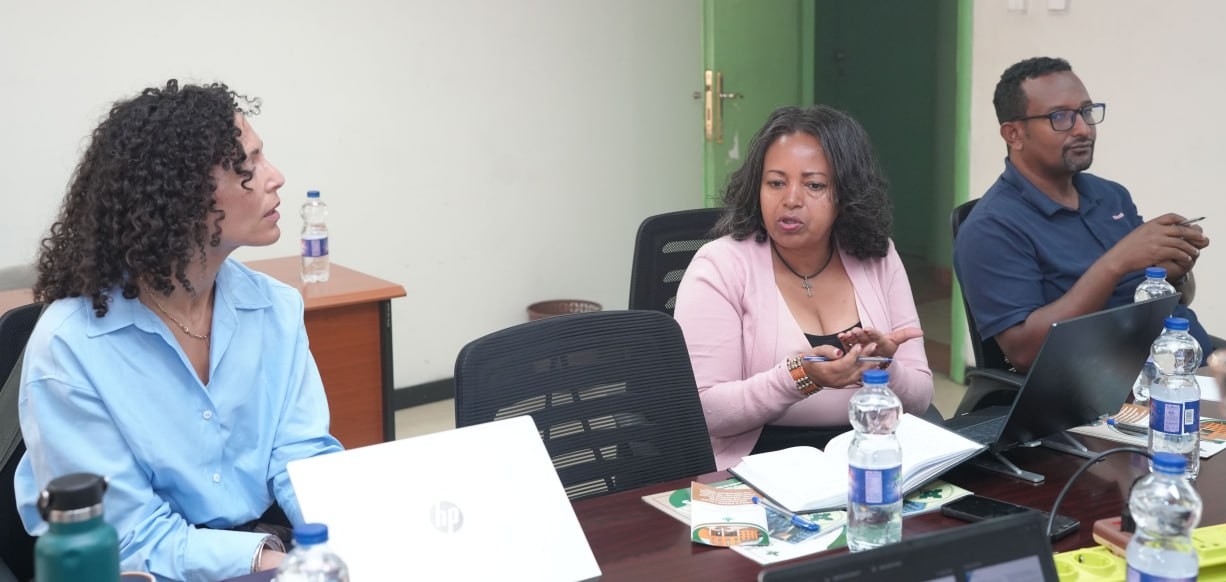
Equally important, safeguarding cannot be the responsibility of a single department or designated focal person. It is a shared institutional commitment that requires the active participation of everyone, from organizational leadership and staff to implementing partners, member organizations, and the communities they serve.
For CCRDA, strengthening safeguarding means going beyond compliance to fostering an institutional culture in which protection, dignity, respect, and accountability are reflected in everyday decisions, professional conduct, partnerships, and program implementation. Ultimately, building a culture of safeguarding means making the safety and well-being of everyone a shared responsibility and an integral part of how institutions operate and serve communities.