
The Path of Peace
In South Omo, where neighboring pastoralist communities depend on shared grazing lands and water sources for their livelihoods, maintaining peaceful coexistence requires more than formal interventions. It calls for sustained dialogue, mutual understanding, and the active involvement of those who hold the trust of their communities. With their longstanding knowledge of local customs, relationships, and traditional conflict-resolution practices, community elders play an indispensable role in addressing tensions, bridging differences, and resolving disputes before they escalate into violence. Their leadership not only helps restore understanding when disagreements arise but also strengthens the relationships that make lasting peace possible.
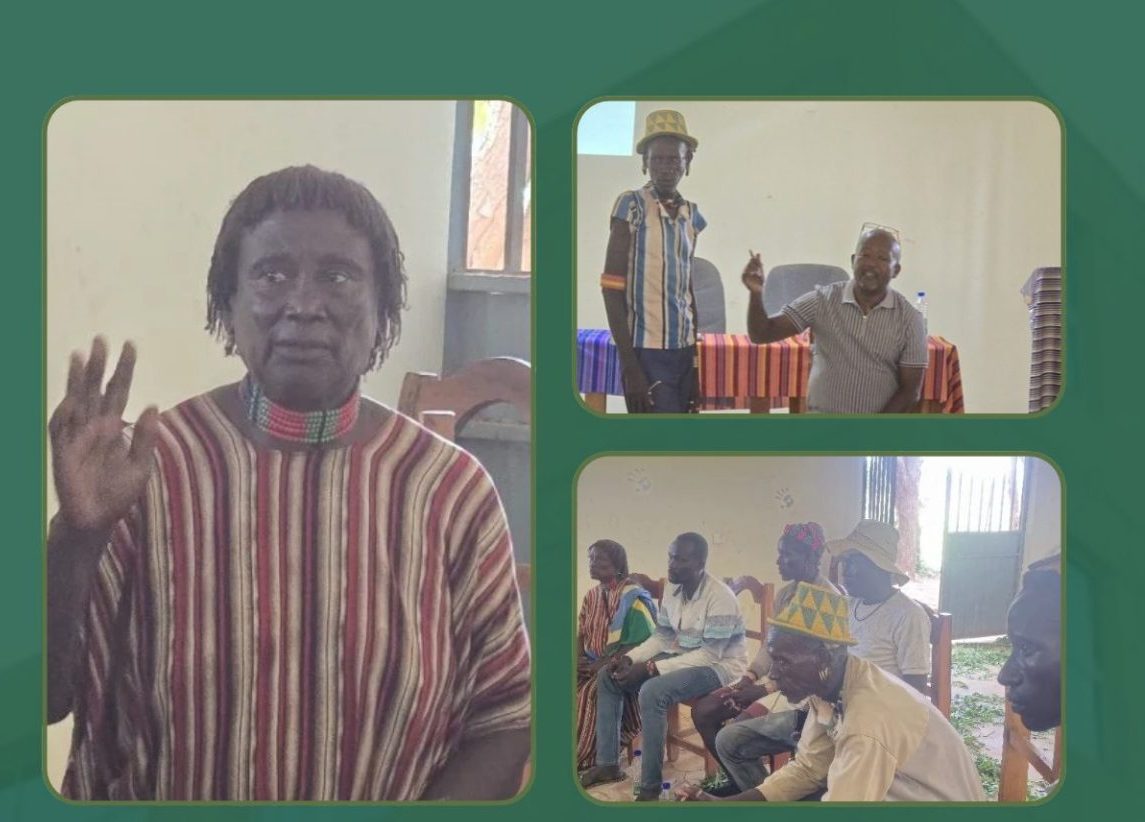
Recognizing the importance of these community-led approaches, CCRDA organized a Community Peace Dialogue in Dimeka, South Omo Zone, from November 17-18, 2026, bringing together elders and other stakeholders from three woredas to strengthen local conflict prevention mechanisms through inclusive dialogue, collective reflection, and coordinated action.
At the heart of the dialogue was a shared reflection on the underlying causes of conflict and the importance of addressing tensions before they develop into violence. The participant highlighted the need to strengthen customary conflict-resolution practices, improve communication between neighboring communities, and establish constructive ways of managing disagreements over shared natural resources. They also emphasized the importance of preventing retaliation and addressing misinformation, which can deepen mistrust and intensify tensions between communities.
Drawing on their experiences, the elders further highlighted their responsibility in preserving community knowledge, facilitating reconciliation, and sustaining peaceful relationships. They stressed the importance of maintaining regular communication, sharing timely information, bringing conflicting parties together, and working closely with neighboring communities to resolve emerging disputes. Their reflections underscored that traditional leadership remains a vital foundation for community trust, collective responsibility, and social cohesion.
The dialogue also brought attention to the role of government institutions in reinforcing local peace efforts. Participants emphasized the need for government structures to respond promptly to early warning signals, strengthen coordination among the three woredas, and provide consistent support to community-based peace mechanisms. They also highlighted the importance of listening to community concerns and facilitating peaceful agreements on the shared use and management of natural resources, particularly land and water.
Importantly, the discussions recognized that building and sustaining peace cannot rest on the shoulders of elders or government institutions alone. It requires the meaningful involvement of the wider community, including women, young people, and other local actors. Each has a role in identifying emerging tensions, sharing information, promoting understanding, and contributing to collective efforts that prevent conflict and strengthen peaceful coexistence.
The dialogue further examined existing community-based early warning mechanisms and their contribution to conflict prevention and social cohesion. Participants reflected on gaps in the identification, communication, and response to early warning signals, emphasizing the need for clearly defined responsibilities, timely information sharing, and stronger coordination among stakeholders. The discussions highlighted that identifying potential threats is only the first step; effective prevention depends on ensuring that early warning information leads to timely, coordinated, and appropriate action.
The Dimeka dialogue reinforced the importance of moving beyond responding to conflict towards building the relationships and systems that prevent it from taking hold. By strengthening customary peace mechanisms, improving collaboration between communities and government institutions, and encouraging the active participation of all stakeholders, such community-led efforts contribute to creating the trust, shared responsibility, and collective commitment on which lasting peace depends.