
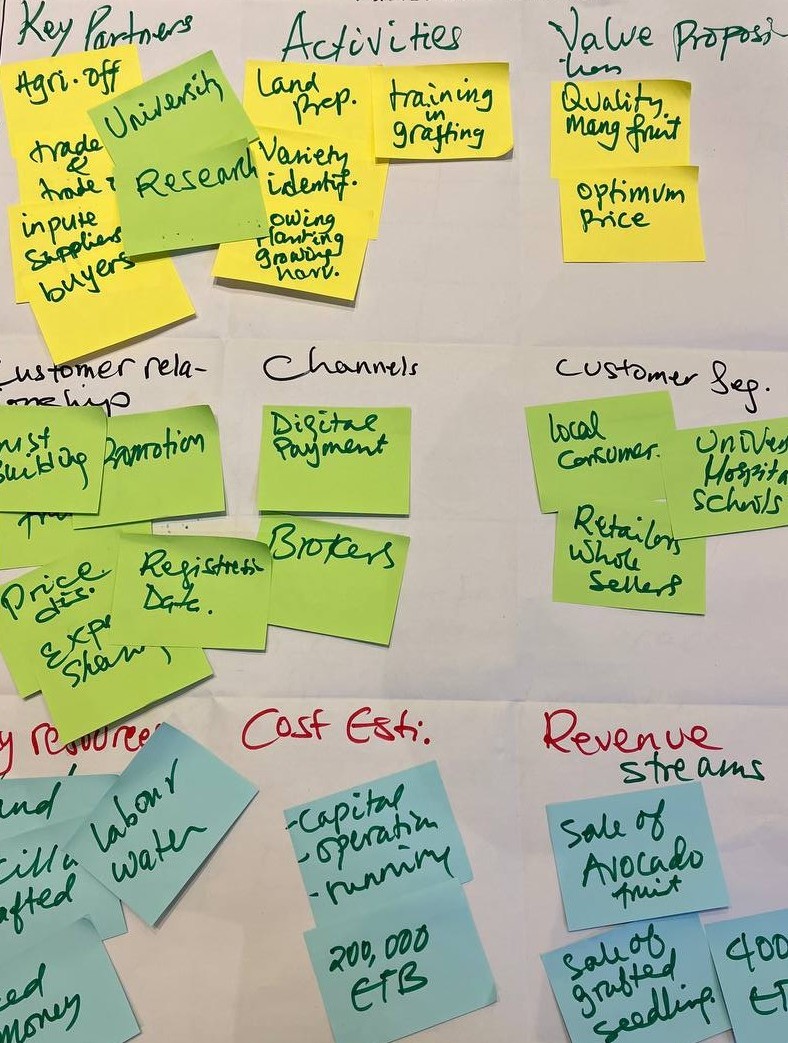
Turning What Communities Grow into What Communities Gain
From identifying business opportunities to building stronger market connections, the Consortium of Christian Relief and Development Associations (CCRDA) strengthened the capacity of civil society organizations (CSOs) to help communities transform agricultural potential into sustainable economic opportunities through a three-day capacity-building training on Agribusiness Development, Market Access and Livelihood Diversification, held from October 28–30, 2026, in Addis Ababa.
Agriculture remains a major source of livelihood for many communities in Ethiopia. Yet, producing more does not always translate into earning more. Limited market access, weak value chains, inadequate business skills, climate-related risks, and insufficient opportunities for income diversification continue to constrain the economic potential of farming communities.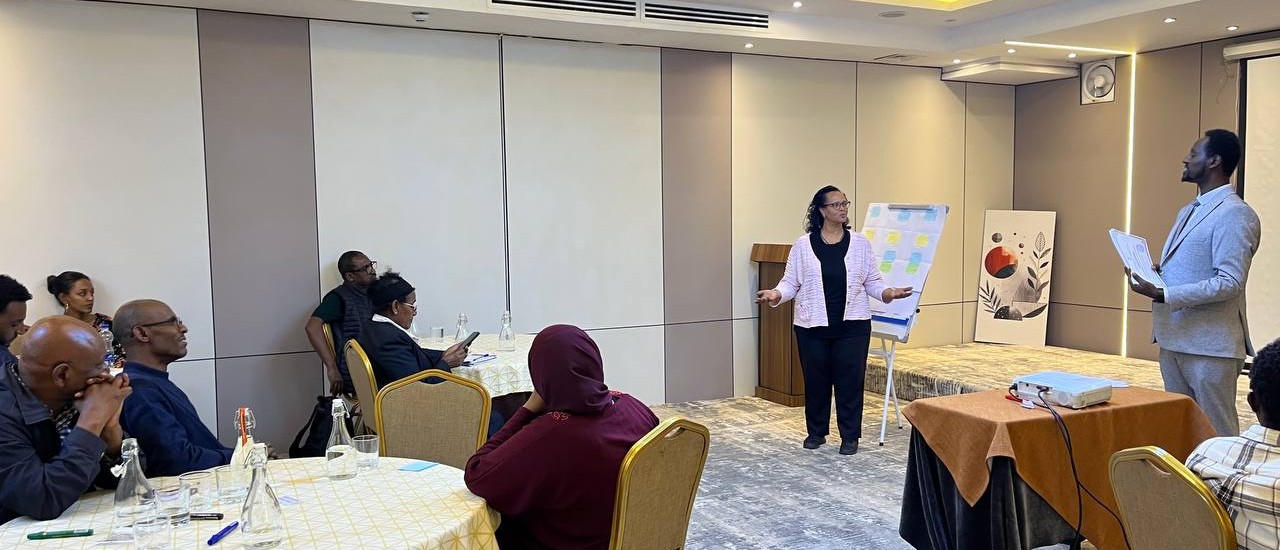
Recognizing the need to bridge the gap between agricultural production and profitable market participation, CCRDA, through its Food Security and Environment Forum (FSEF), in partnership with the UNDP-GEF Small Grant Program, organized the training to strengthen the knowledge and practical skills of FSEF member CSOs and relevant development practitioners in agribusiness development, entrepreneurship, market access, value-chain development, and sustainable livelihood diversification. The training also aimed at enhancing the capacity of CSOs to support communities in identifying viable economic opportunities, improving market participation, and building resilience against economic and climate-related challenges.
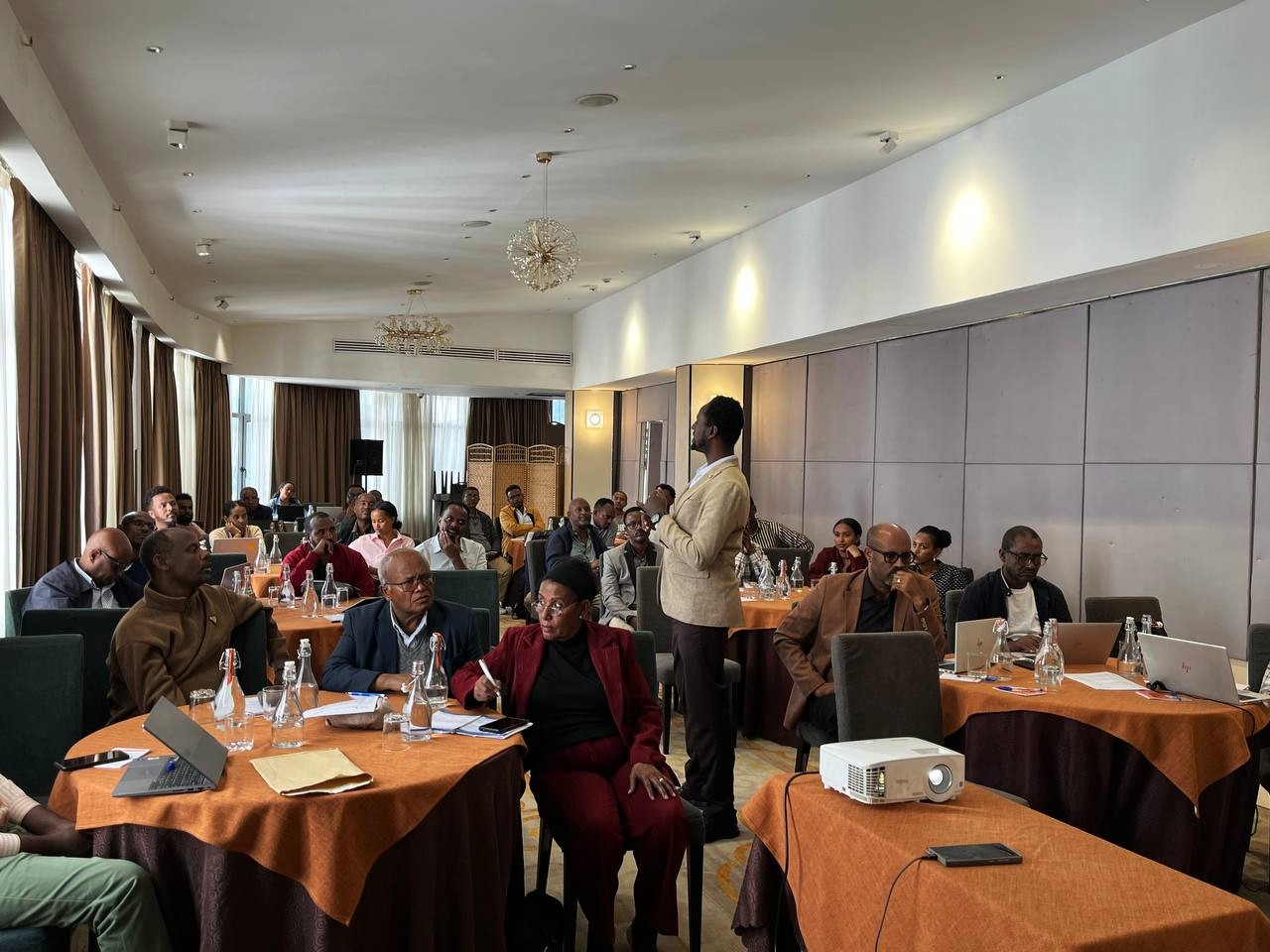
The training was facilitated by Dr. Asfaw Shaka Gosa and Dr. Chala Hailu Hussen, whose academic backgrounds and professional experience brought valuable perspectives to the discussions. The sessions emphasized the importance of viewing agriculture not only as a means of production but also as an opportunity for enterprise development, income generation, and economic growth. They addressed persistent challenges facing farming communities, including low agricultural productivity, limited value addition, weak market connections, inadequate business skills, restricted access to finance, climate-related risks, and dependence on narrow sources of income.
A major focus of the training was agribusiness and entrepreneurship, where participants explored how local resources, market demand, and entrepreneurial skills could be transformed into viable business opportunities. Discussions examined how to identify customer needs, assess available resources, understand competition, and evaluate potential business risks before making investments. Participants also explored different enterprise ownership models, including individual businesses, partnerships, cooperatives, and producer groups, with particular attention to shared responsibilities, transparent decision-making, and financial discipline.
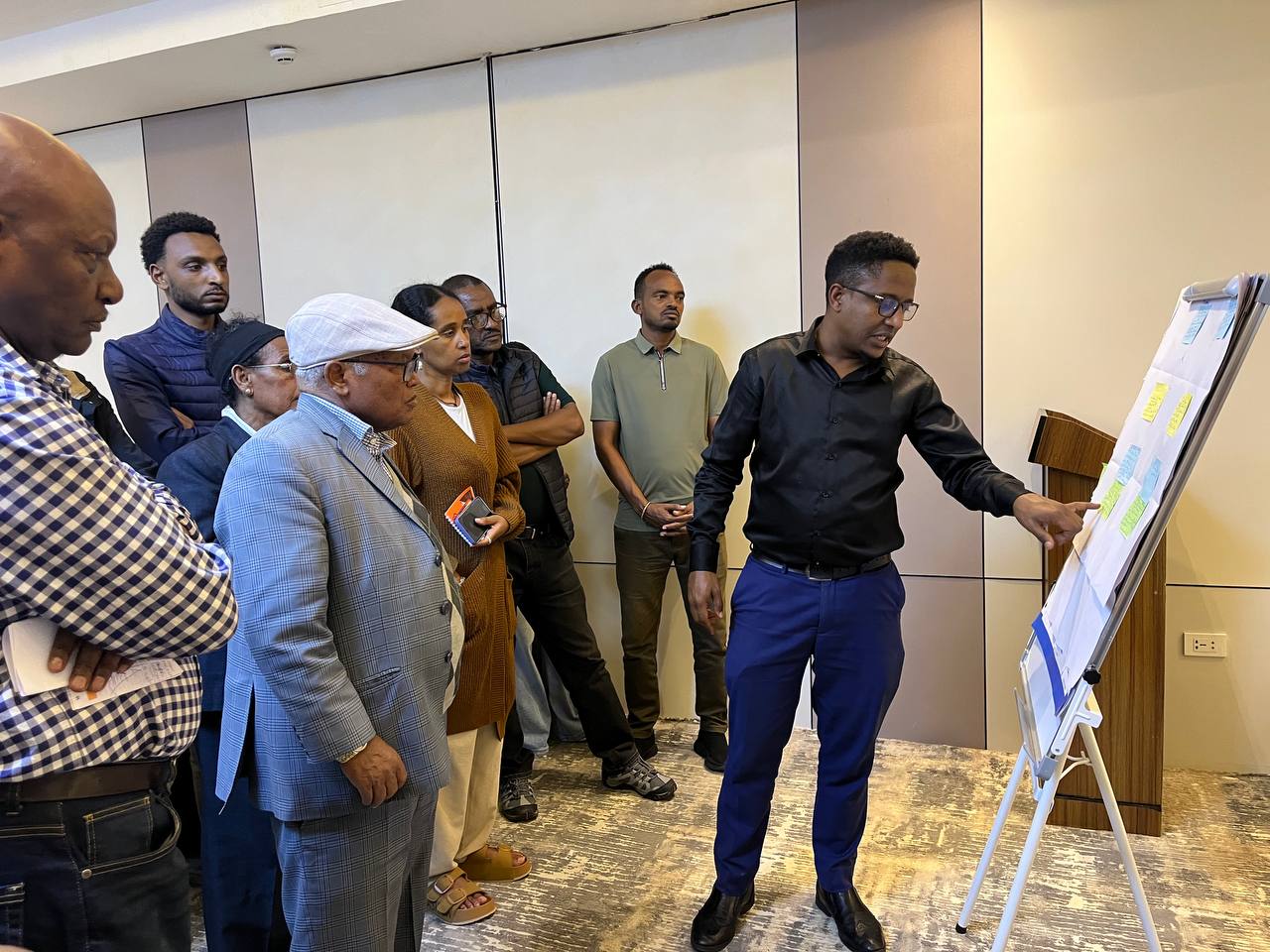
Another key area of discussion was value-chain and market analysis, which helped participants understand the connections among agricultural producers, input suppliers, traders, processors, transporters, service providers, and consumers. Through practical value-chain mapping exercises and case studies, including tomato production and marketing, participants examined common challenges such as postharvest losses, high transportation costs, limited market information, inconsistent product quality, and delayed payments. The discussions highlighted that increasing production alone does not guarantee higher incomes unless producers can access reliable markets, manage costs, and meet customer requirements.
Building on this understanding, the market access and value-addition sessions focused on strengthening connections between producers and buyers while improving product quality and competitiveness. Participants explored practical approaches such as sorting, grading, cleaning, packaging, processing, storage, and collective marketing. They also examined buyer requirements, pricing, delivery schedules, payment arrangements, and product rejection procedures. Through negotiation exercises and practical calculations, participants assessed the costs and potential benefits of value addition and explored ways to strengthen producer–buyer relationships.
In addition to economic development, the training integrated gender equality, youth participation, social inclusion, and environmental sustainability into its discussions. Participants explored ways to expand women’s and young people’s access to enterprise opportunities, strengthen the participation of vulnerable groups in economic activities, and promote their meaningful involvement in household and community decision-making. The sessions also highlighted the importance of responsible natural resource management and environmentally sustainable livelihood practices.
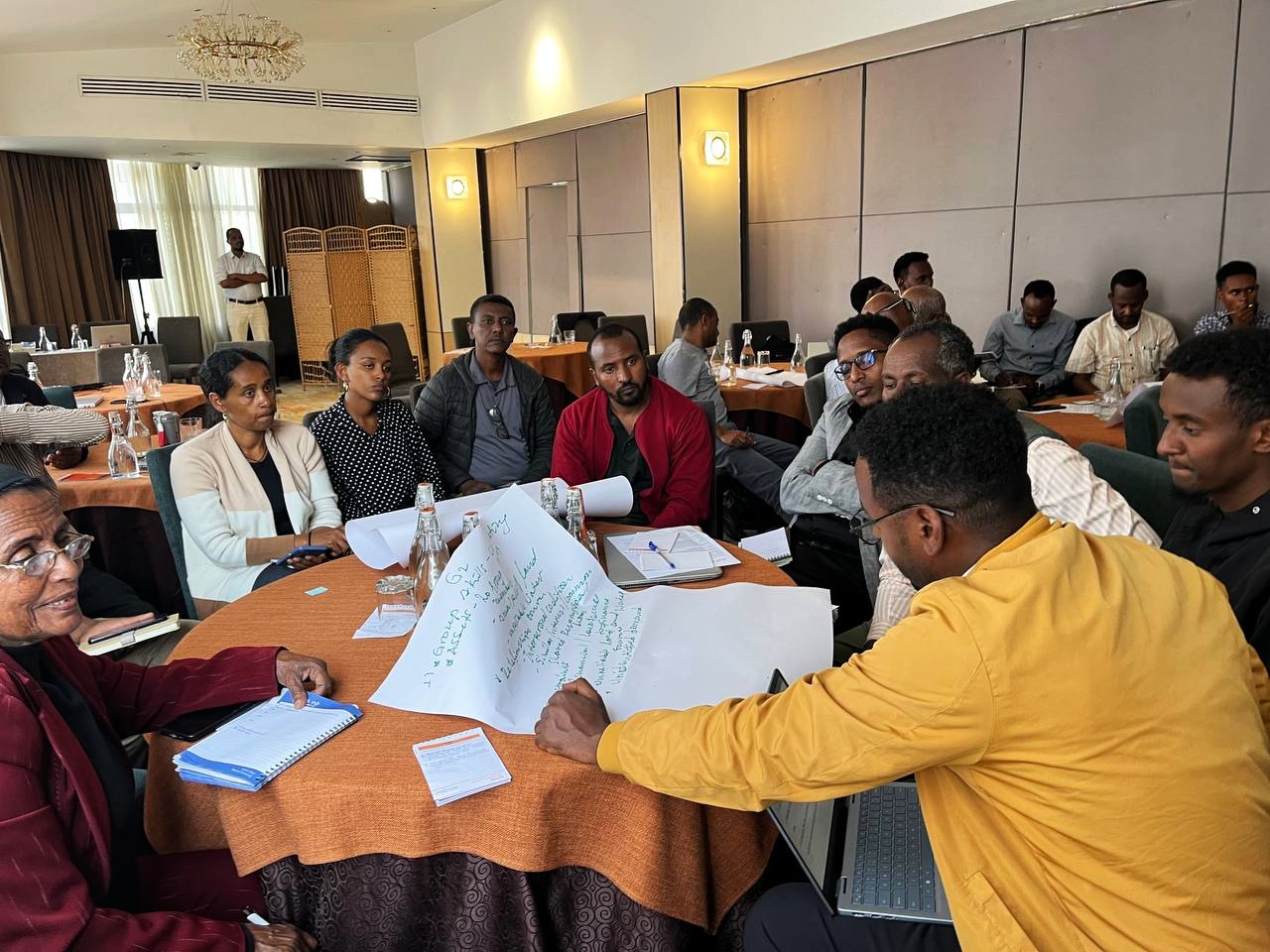
Throughout the three-day training, participants engaged in facilitated discussions, case studies, group exercises, value-chain mapping, market analysis, buyer–producer negotiation role-plays, and practical business planning. The participatory approach encouraged experience-sharing and enabled participants to connect technical knowledge with real-life challenges facing communities and local enterprises.
Through this initiative, CCRDA, in partnership with UNDP-GEF Small Grant Program, strengthened the capacity of civil society organizations to promote market-oriented agricultural development, expand economic opportunities, and support sustainable livelihoods. By connecting entrepreneurship, agricultural value chains, market access, and climate resilience, the training contributed to advancing more inclusive economic development and stronger, more resilient communities.