
The Invisible Work Behind Safeguarding
Creating safe, accountable, and respectful working environments requires more than safeguarding commitments. It also demands the capacity to identify, investigate, and appropriately respond to concerns of sexual exploitation, abuse, and harassment.
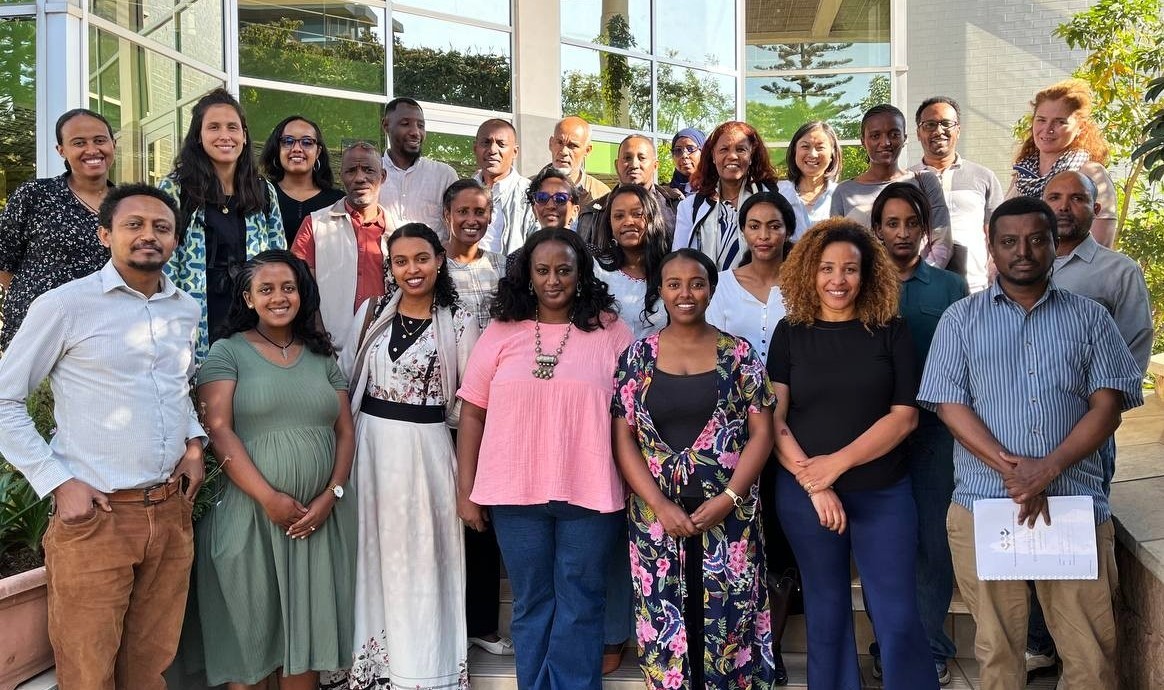
The Consortium of Christian Relief and Development Associations (CCRDA), in collaboration with CHS Alliance, the United Nations Protocol on Protection from Sexual Exploitation and Abuse (UN PSEA), and CST Ethiopia, conducted a five-day Investigation Qualification Training Scheme (IQTS) on Protection from Sexual Exploitation, Abuse, and Harassment (PSEAH) investigations from October 26–30, 2026, at the CCRDA office.
The training aimed to strengthen participants’ knowledge and practical competencies in conducting effective, fair, and survivor-focused investigations. It covered essential aspects of the investigation process, including investigation principles, survivor-focused approaches, terms of reference, formulating allegations, investigation planning, and risk assessment.
Participants also explored evidence identification and collection, interviewing techniques, and the application of the PEACE Model. Particular attention was given to handling challenging conversations, ensuring due process when interviewing subjects of concern, and appropriately engaging vulnerable or at-risk witnesses while maintaining sensitivity, fairness, and professionalism.
Through practical interview exercises and case-based discussions, participants had opportunities to apply the concepts and techniques introduced during the training. Additional sessions focused on analyzing investigation findings, consolidating interview information, drafting conclusions, and preparing investigation reports, including executive summaries.
The program also highlighted that an investigation does not end with the submission of a report. Continued attention to the welfare, safety, and support of survivors and other individuals involved remains essential to the process.
The five-day training concluded with assessment interviews, providing an opportunity to evaluate participants’ understanding and practical application of the knowledge and skills gained.