
𝐂𝐥𝐢𝐦𝐚𝐭𝐞 𝐂𝐡𝐚𝐧𝐠𝐞 𝐈𝐬 𝐍𝐨𝐭 𝐉𝐮𝐬𝐭 𝐂𝐡𝐚𝐧𝐠𝐢𝐧𝐠 𝐭𝐡𝐞 𝐂𝐥𝐢𝐦𝐚𝐭𝐞. 𝐈𝐭 𝐈𝐬 𝐂𝐡𝐚𝐧𝐠𝐢𝐧𝐠 𝐋𝐢𝐯𝐞𝐬.
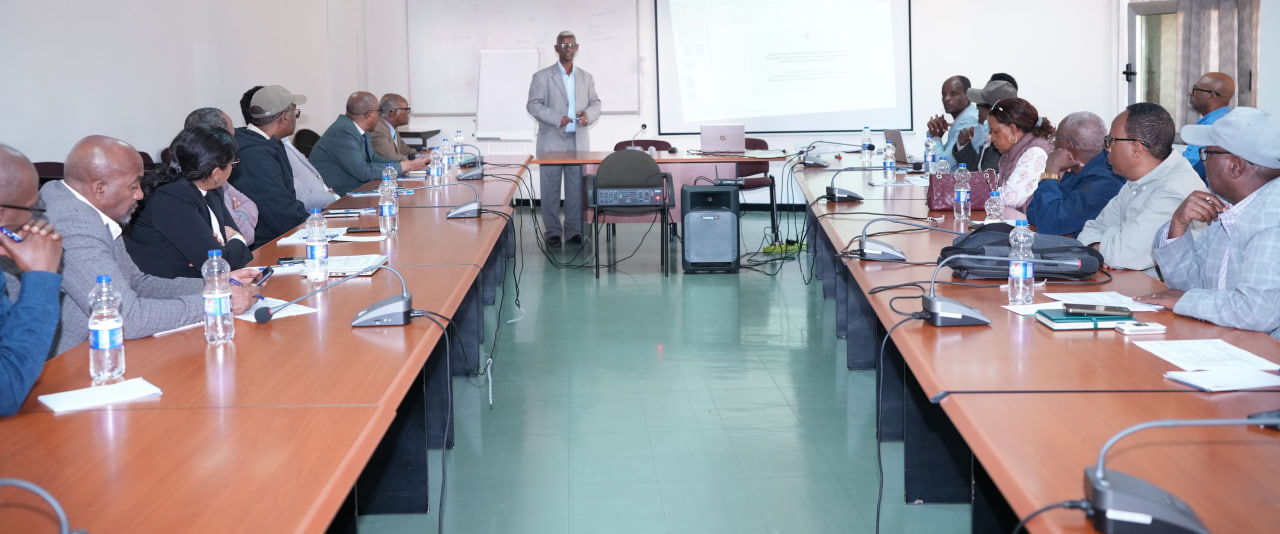
Climate change is no longer a distant environmental concern. Its effects are increasingly felt in everyday life, shaping livelihoods, food security, access to resources, and the choices communities can make about their future.Against this backdrop, the CCRDA Food Security and Environmental Forum (FSEF) convened a half-day workshop on 29 September 2026 at the CCRDA Conference Hall under the theme, “From Climate Vulnerability to Climate Justice: Equitable Climate Finance, Locally Led Adaptation, and Resilient Livelihoods in Ethiopia.” The workshop brought stakeholders together to explore climate vulnerability, climate justice, equitable climate finance, locally led adaptation, and the role of civil society in advancing inclusive and accountable climate action.
A technical presentation by Ato Misganaw Eyasu, Senior Climate Finance Advisor at the Ministry of Planning and Development, examined these issues in the Ethiopian context. Participants then engaged in questions and open discussion, connecting broader climate and financing priorities with community experiences and needs.A key message from the discussion was the importance of placing communities at the heart of climate action. Communities hold valuable knowledge about the risks they face and the solutions that can help them adapt. Meaningful participation can therefore help ensure that climate responses are relevant, sustainable, and grounded in local priorities.
Civil society organizations have an important role in making this connection. Through their engagement with communities, CSOs can bring local priorities and evidence into policy spaces, document lessons, support accountability, and help communities participate in shaping adaptation solutions. Stronger partnerships and networks can also help mobilize resources for locally led initiatives.
For CCRDA and its Food Security and Environmental Forum, building resilience means looking beyond immediate climate shocks. It means creating conditions for communities to prepare, adapt, participate, and have a meaningful voice in decisions affecting their livelihoods and future.
Ultimately, climate justice connects local knowledge with policy, community priorities with resources, and immediate needs with long-term resilience. Through collective action and stronger partnerships, climate responses can become more inclusive, accountable, and responsive to the realities of the communities they are meant to serve.