𝐖𝐡𝐞𝐧 𝐭𝐡𝐞 𝐆𝐫𝐨𝐮𝐧𝐝 𝐈𝐬 𝐔𝐧𝐬𝐭𝐞𝐚𝐝𝐲, 𝐖𝐞 𝐁𝐮𝐢𝐥𝐝 𝐖𝐡𝐚𝐭 𝐇𝐨𝐥𝐝𝐬 𝐔𝐬 𝐓𝐨𝐠𝐞𝐭𝐡𝐞𝐫
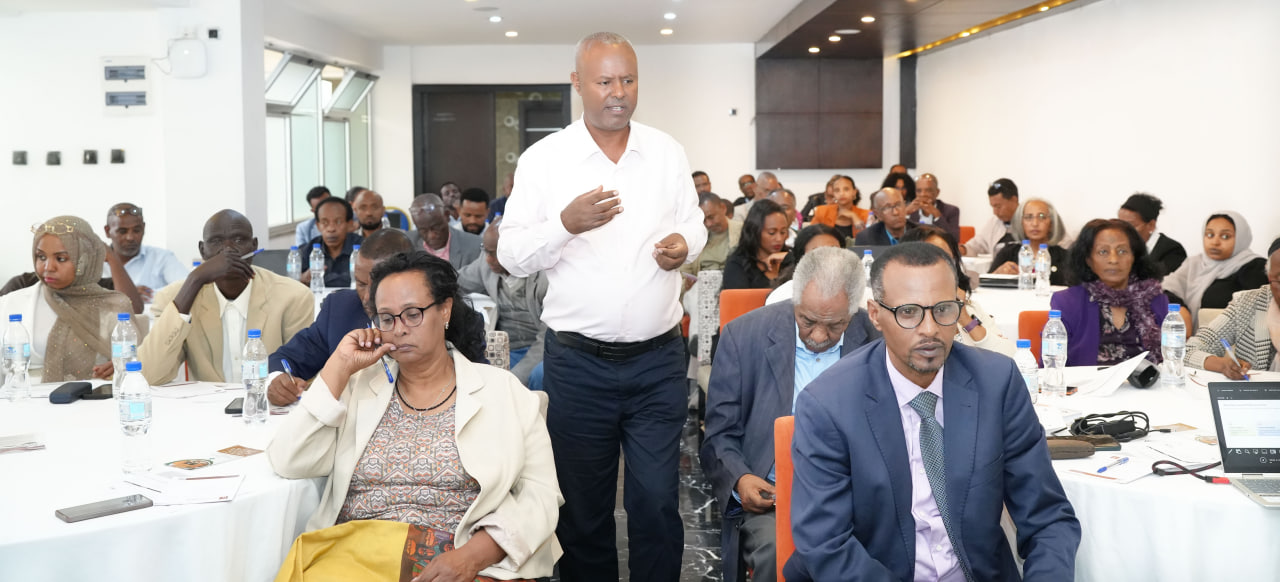
Peace is built long before conflict escalates. It takes shape in the conversations we choose to have, the relationships we choose to strengthen, and the space we create for others to be heard. It is nurtured every day through dialogue, trust, inclusion, and the relationships that connect people and communities. Guided by this understanding, the Consortium of Christian Relief and Development Associations (CCRDA) commemorated the 2026 International Day of Peace in Cassiopeia Hotel under the theme “Invest in Peace: For Everyone, Everywhere, Every Day.”
Bringing together CCRDA member CSO leaders, peacebuilding practitioners, experts, and other stakeholders, the gathering created a space to reflect on a fundamental question: how can civil society move beyond commemoration and turn shared commitments into practical action?
The discussions highlighted that preventing conflict requires action before tensions escalate into violence. Participants explored the importance of identifying and addressing underlying tensions early, strengthening community resilience, and creating spaces where people can engage openly before disagreements deepen.
Dialogue emerged as an important pathway for building understanding and bridging divides. Rather than focusing on winning arguments, participants discussed dialogue as a collaborative process grounded in mutual understanding, empathy, communication, and the ability to find common ground. In this sense, dialogue is not simply about speaking; it is about creating the conditions for people to listen, understand one another, and find ways forward together.
A central part of the discussion focused on social cohesion, described as the strength of relationships and solidarity within communities, supported by trust and greater inclusion. Participants explored how stronger connections can be built at different levels, from relationships between individuals and groups to connections across communities and social divisions. The discussion highlighted the importance of both strengthening bonds within communities and building bridges between different groups.
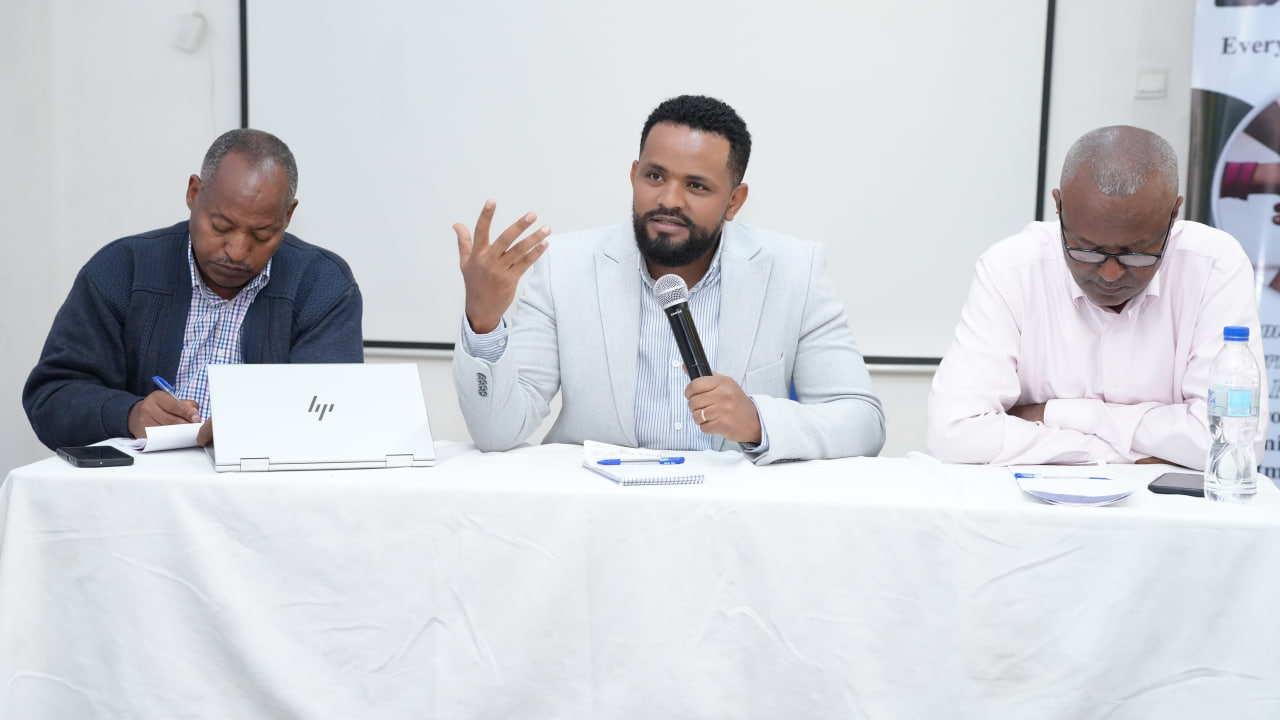
The event also examined the role of CSOs in putting these principles into practice. Participants reflected on how civil society organizations can support early warning and early response, facilitate community dialogue and mediation, promote reconciliation, counter hate speech and misinformation, and create opportunities for meaningful community participation.
The discussions also underscored that sustainable progress requires collaboration. Stronger partnerships among CSOs, government institutions, communities, and development partners can help mobilize resources, strengthen locally led initiatives, and support policies and programs that address the drivers of conflict and exclusion.
For Ethiopia, investing in peace also means investing in recovery and in the foundations that allow communities to rebuild their lives. It means restoring relationships alongside infrastructure, rebuilding trust alongside livelihoods, protecting dignity alongside basic services, and creating opportunities for people to participate in decisions that affect their future.
Ultimately, investing in peace is an investment in people. It is about creating communities where differences can be addressed without violence, where dialogue is possible even when views diverge, where people feel included and heard, and where communities have the confidence and capacity to shape their own future.
The International Day of Peace therefore served not simply as a moment to reflect but as a reminder that the work continues long after the commemoration ends. In Ethiopia’s current context, moving from commemoration to commitment and from commitment to action means making peacebuilding part of everyday practice within communities, institutions, and the relationships that hold society together.