
𝐏𝐞𝐚𝐜𝐞 𝐍𝐞𝐞𝐝𝐬 𝐂𝐨𝐥𝐥𝐞𝐜𝐭𝐢𝐯𝐞 𝐀𝐜𝐭𝐢𝐨𝐧!
Peace Alliance brings more than organizations around the same table. It brings together experiences, local knowledge, institutional strengths, and a shared commitment to preventing conflict and building lasting peace.
In a context where peace-building challenges require collective responses, a strong and coordinated alliance can help transform individual efforts into meaningful collective action. By connecting civil society organizations, government institutions, and the media, the Peace Alliance seeks to create a common platform for dialogue, joint advocacy, knowledge exchange, and collaborative action to address the root causes of conflict and promote social cohesion.
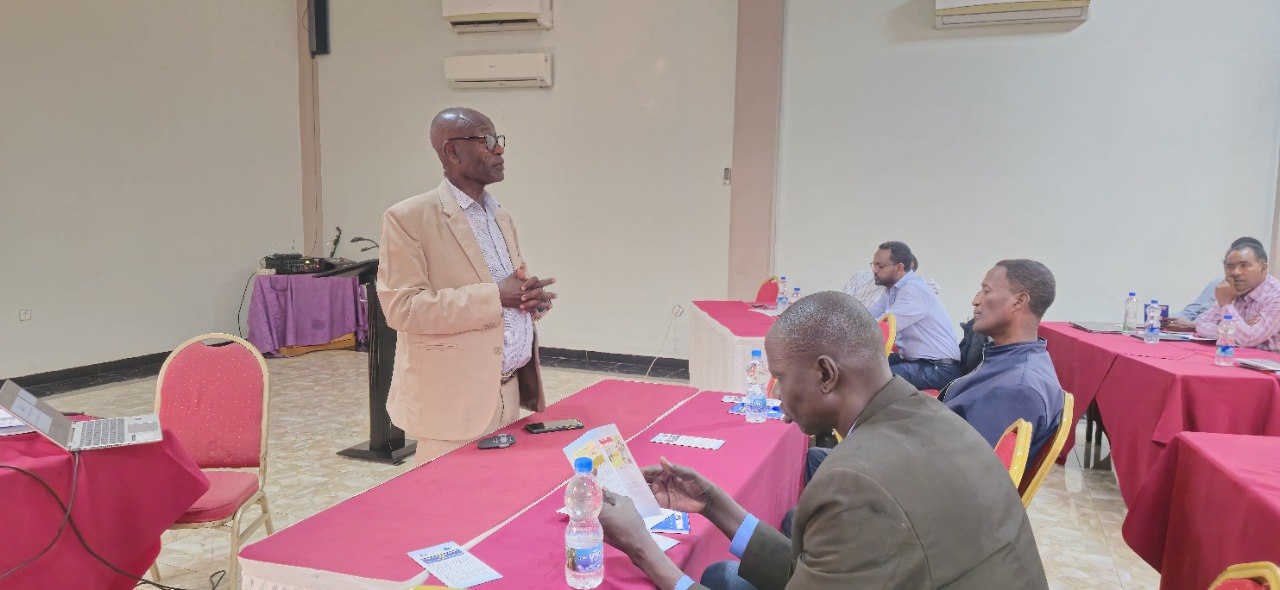
With this objective, the Consortium of Christian Relief and Development Associations (CCRDA), through its Good Governance and Peacebuilding Forum, conducted a two-day Peace Alliance Workshop on October 29–30, 2026, in Adama. The workshop brings together representatives of Civil Society Organizations (CSOs), government institutions, and the media to advance the establishment and operationalization of a representative, functional, and sustainable Peace Alliance in Ethiopia.
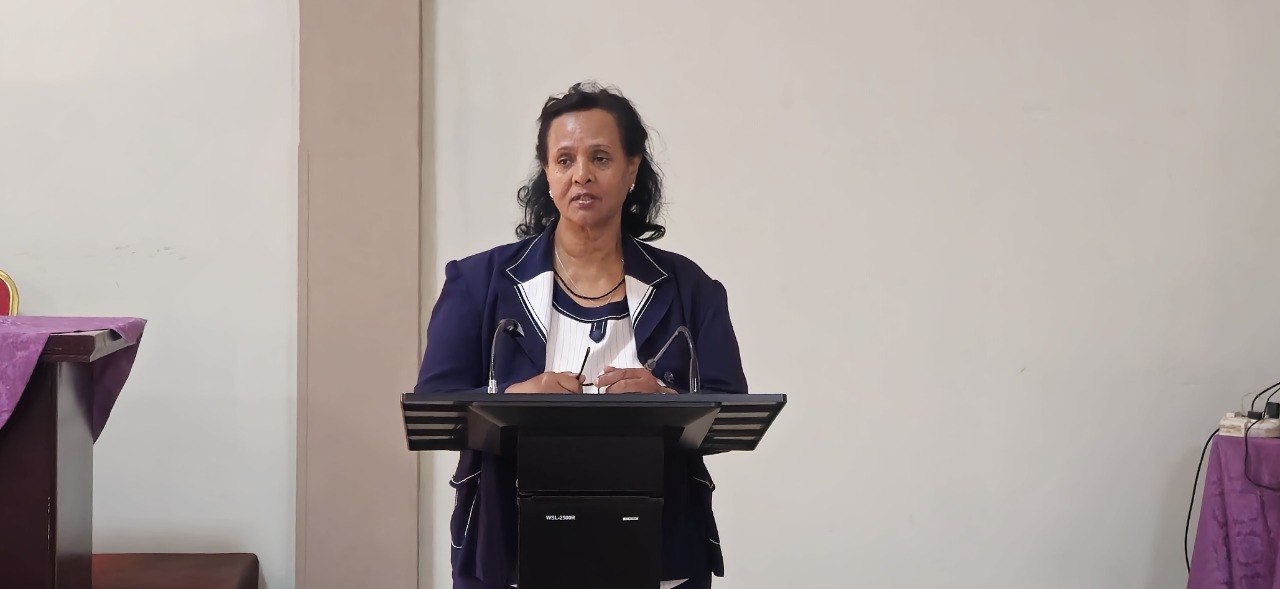
In her welcoming remarks, Tsehay Admassu, Senior Director of the Program Development and Management Core Team (PDMCT), underscored the importance of collective responsibility in peacebuilding, conflict prevention, and maintaining social cohesion. Reflecting on the devastating consequences of ongoing conflicts, including gender-based violence, displacement, and loss of lives and property, she emphasized the need for stronger coordination and collaborative engagement among stakeholders. She also encouraged participants to bring forward their indigenous knowledge and experiences to inform sustainable peacebuilding efforts.
The workshop provides a space for participating CSOs to present their peacebuilding experiences, share practical approaches, reflect on implementation challenges, and highlight achievements and lessons learned. These exchanges are intended to strengthen peer learning, identify shared priorities, and create opportunities for complementary interventions.
Beyond providing a coordination platform, the Peace Alliance aims to address the underlying drivers of conflict, including poverty, inequality, injustice, and social divisions. It seeks to strengthen grassroots advocacy, encourage constructive dialogue with government institutions, and promote collaboration among civil society, public institutions, and the media in advancing peaceful coexistence and conflict resolution.
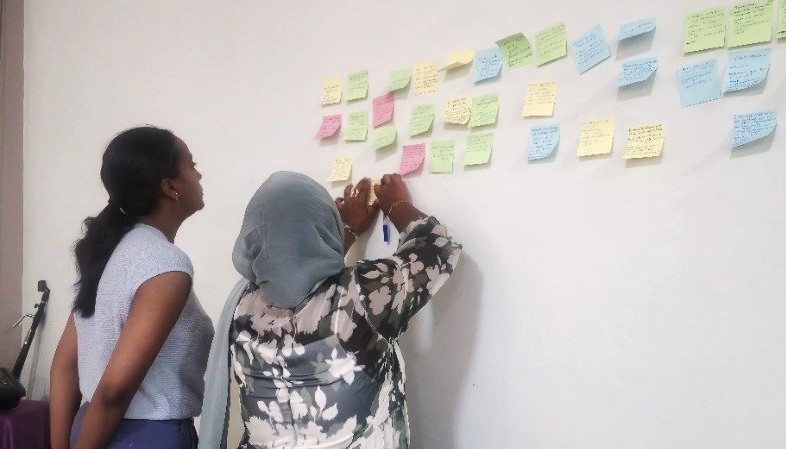
The discussions also focus on establishing functional coordination structures, including technical committees and information-sharing systems; strengthening collective advocacy and access to financial, human, and material resources; enhancing members’ peacebuilding capacities; and identifying policy and operational opportunities under the 2019 CSO Proclamation. Joint planning, clearly defined responsibilities, regular coordination meetings, and periodic progress reviews are also central to ensuring the alliance’s effectiveness and sustainability.
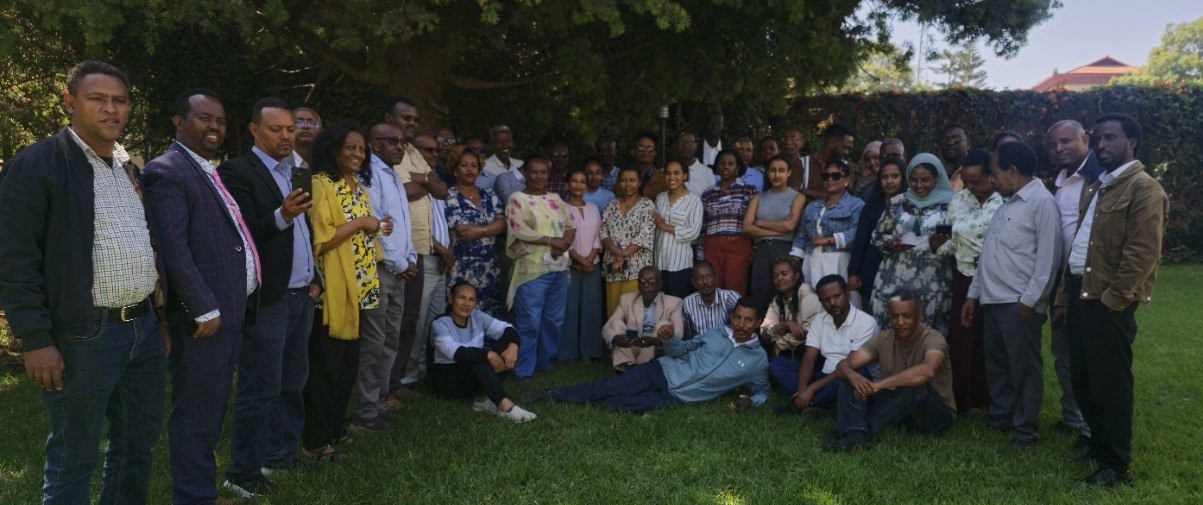
Ultimately, the Peace Alliance seeks to turn shared commitment into coordinated action, ensuring that the contributions of individual organizations become part of a broader, more connected effort to prevent conflict, strengthen social cohesion, and advance sustainable peace in Ethiopia.