Four Partners, One Mission
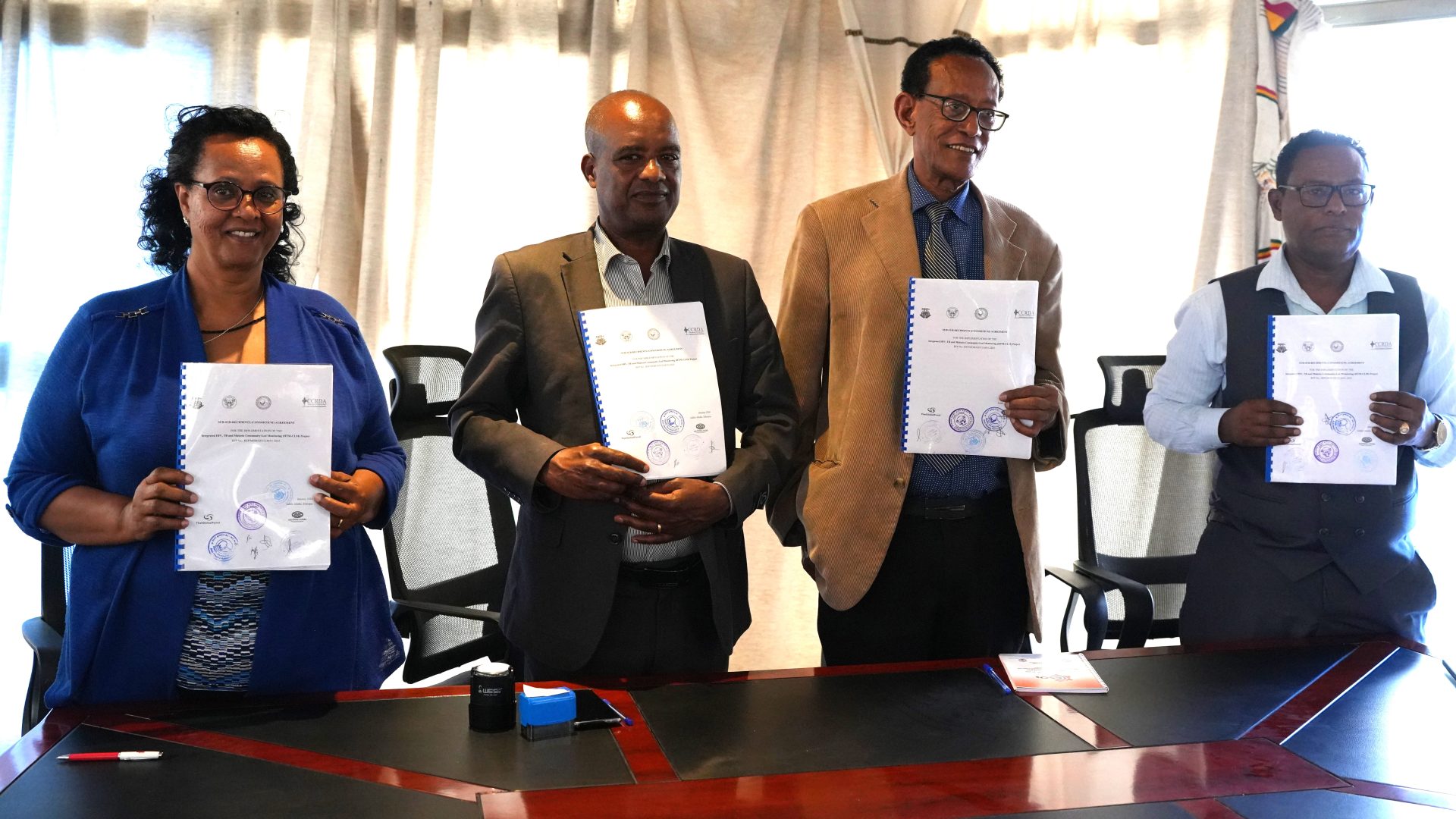
The Consortium of Christian Relief and Development Associations (CCRDA), in collaboration with the Network of Networks of HIV Positives in Ethiopia (NEP+), the Health Development and Anti-Malaria Association (HDAMA), and the Integrated Services on Health and Development Organization (ISHDO), signed an agreement on March 11, 2026, to implement the Integrated HIV, TB, and Malaria Community-Led Monitoring (HTM-CLM) Project at the NEP+ head office in Addis Ababa. 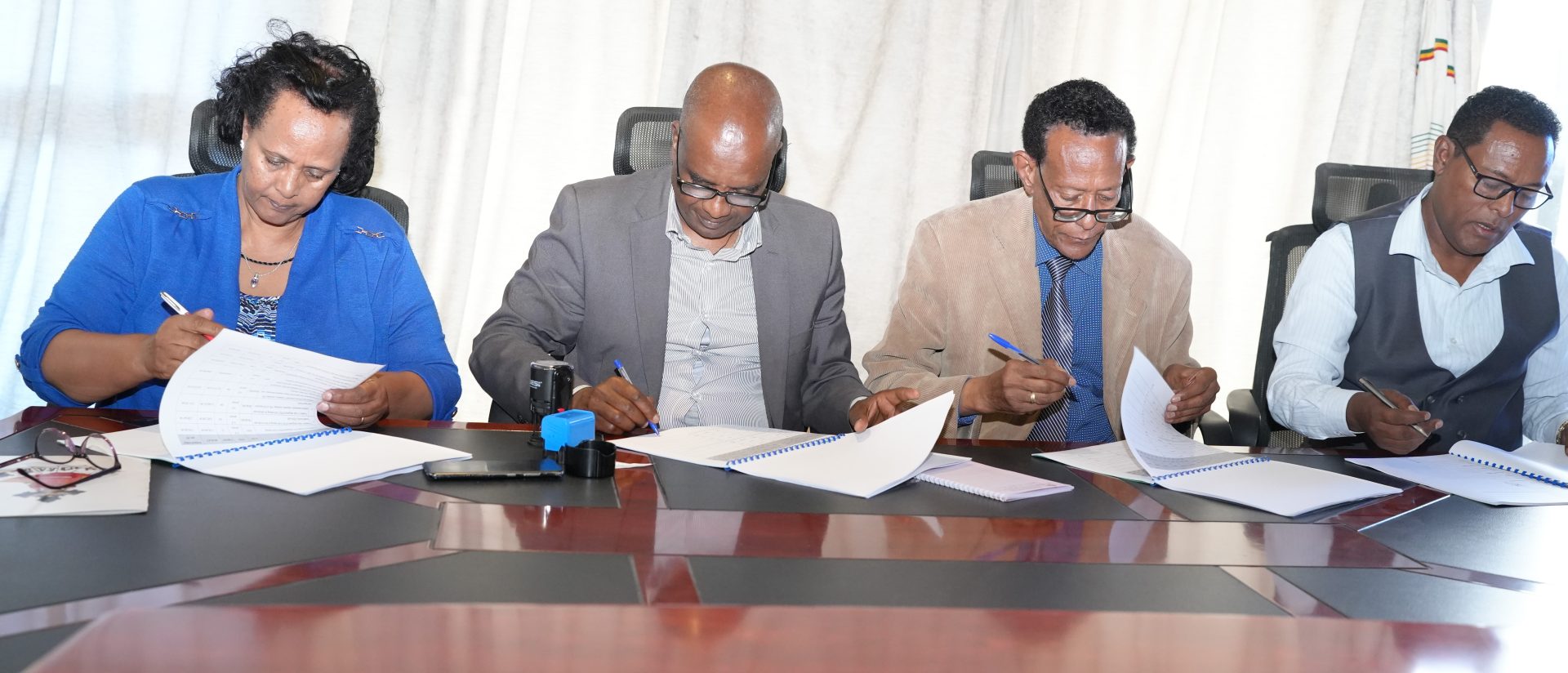
As a strategic partner, the Ethiopian Ministry of Health plays a crucial role in supporting the initiative. The agreement aims to clearly define the roles, responsibilities, governance arrangements, financial management, and coordination mechanisms among the consortium members to ensure the effective implementation of the Integrated HTM-CLM project. Through this agreement, all partners commit to implementing the project in accordance with the approved work plan.
During the opening session, Kassahun Tadesse, Chief Executive Director of the Network of Networks of HIV Positives in Ethiopia (NEP+), delivered welcoming remarks. As the lead organization of the project, he highlighted the privilege and importance of working collaboratively with partner organizations. He noted that although the process of reaching this stage was challenging, the outcome was rewarding. He also expressed appreciation to all team members for their dedication and collective effort in achieving this milestone.
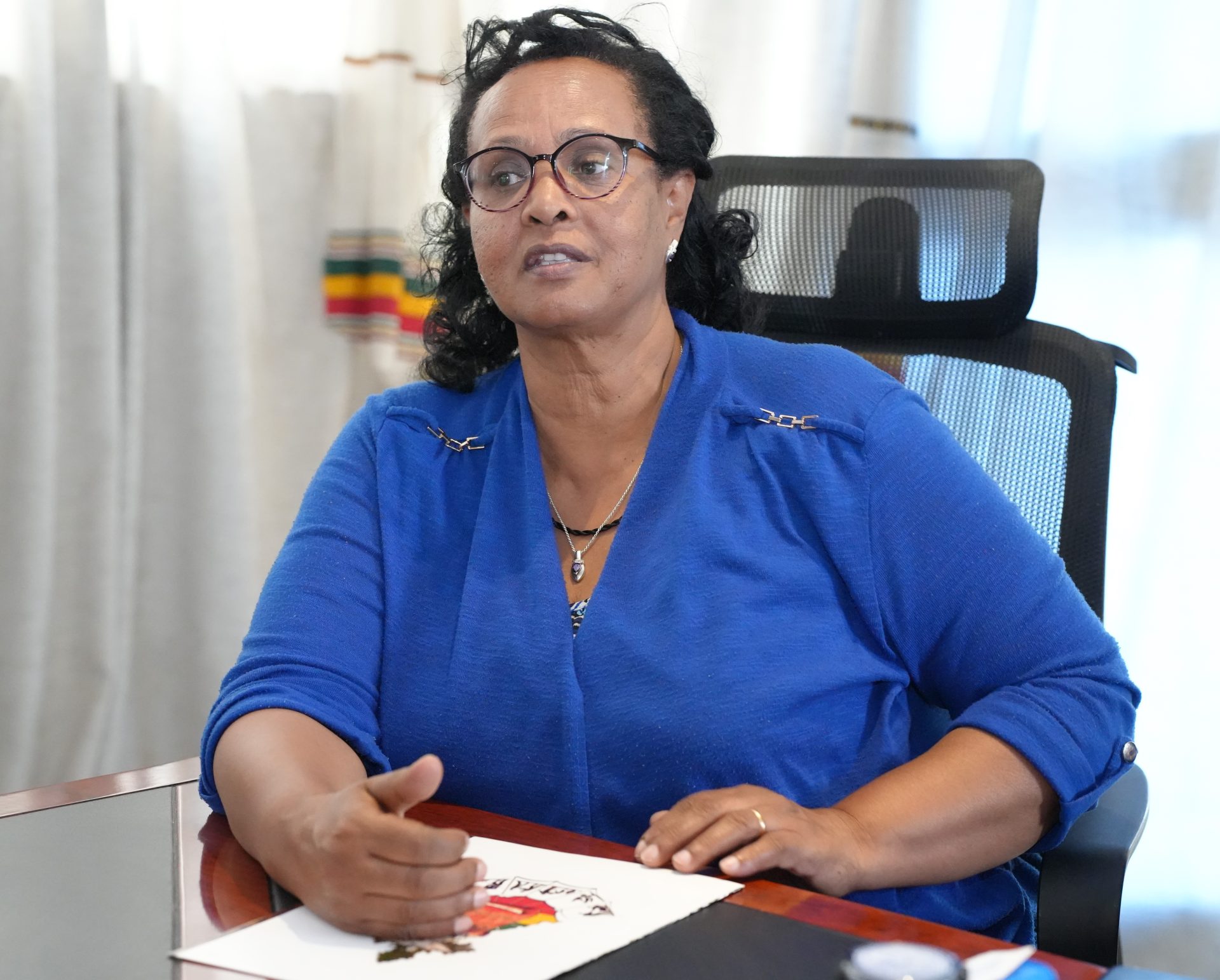
Representing the Consortium of Christian Relief and Development Associations (CCRDA), Tsehay Admassu, Senior Director, Program Dev’t & Management Core Team, emphasized the importance of collaboration among civil society organizations. She stressed that strong partnerships and commitment in implementing the project would help build greater trust with the government and demonstrate that civil society organizations genuinely work for and represent community interests.
The project aims to improve access to and the quality of HIV, TB, and malaria services, while strengthening the protection of human rights through community education, evidence generation, engagement, and advocacy across various regions at the national level in Ethiopia.