Building peace – it takes more than will
CCRDA conducted training for CSO and FBO members on peacebuilding and conflict resolution. The training took place on May 28-30, 2024, in the CCRDA training hall.
The training, which aimed to improve the culture of peace and coexistence through strengthening the capacity of member CSOs in peacebuilding and conflict management, took place at the CCRDA training hall from May 28 to 30, 2024.
The training session was attended by 54 trainees from various CSOs working in conflict-affected communities, as well as critical stakeholders with the ability to contribute to peacebuilding and conflict management efforts.
In his introductory remarks, CCRDA’s Capacity Building Director Bayissa Chala stated that “the program is hoped to increase CSOs’ capacity to become active organizations and capable advocates for peace and coexistence. It is also our belief that the training will improve collaboration and coordination among key parties in conflict resolution efforts”.
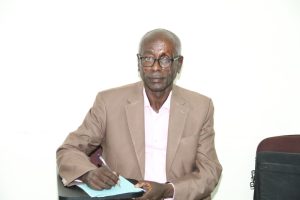
Bayissa Chala, CCRDA Capacity Building Director
The training session, the Director added, further helps in obtaining details on their position, activities, and approaches in which CSOs can enhance their contribution to peacebuilding and conflict resolution.
The training covered conflict and conflict sensitivity in the CSO context, how CSOs play a role in peacebuilding, conflict management and resolution.
The program was structured to equip participants with theoretical knowledge, analytical tools, and practical skills necessary to navigate and contribute positively to areas prone to conflict in Ethiopia.
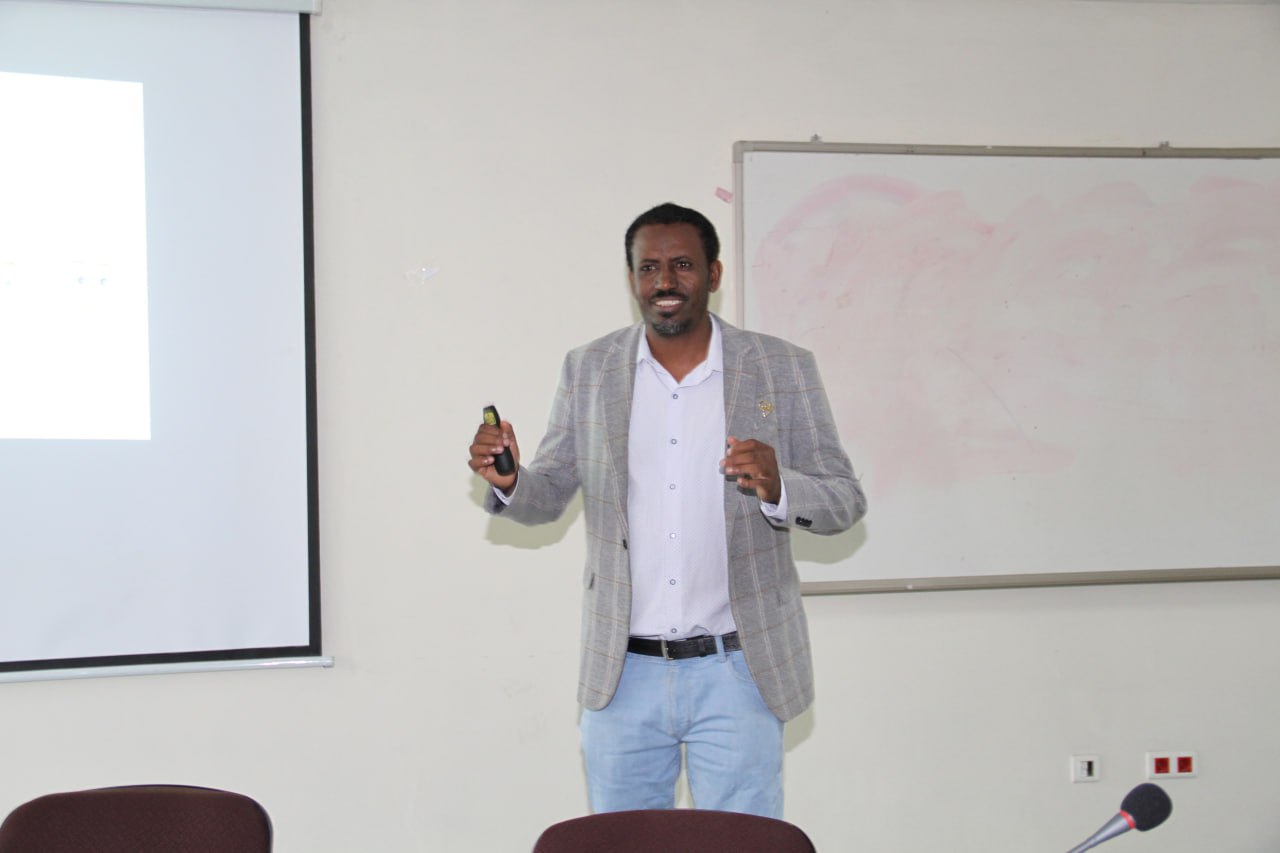
Temesgen Aschenek (PhD), Trainer
The first day of the training was centered on understanding conflict and conflict sensitivity. It began with defining conflict and exploring its theoretical foundations. Participants engaged in exercises to understand the causes of conflict in fragile states, followed by an analysis of the stages of conflict emergence. The day concluded with discussions on conflict typologies, drivers, responses, and the utilization of conflict analysis tools, emphasizing the importance of conflict sensitivity and prevention.
The second day of the training was focused on conflict management and resolution. The day’s sessions conceptualized conflict management and introduced various styles as well as examined effective strategies and mechanisms. Participants applied these concepts in exercises designed to develop conflict-sensitive programs, considering the pivotal role of CSOs in conflict scenarios.
The last day of the training addressed peace building and post-conflict reconstruction. The training included the timing and methodology of peacebuilding, the contribution of CSOs to peace efforts, and models of CSO engagements in peacebuilding. The training highlighted best practices from around the world. Ireland and Rwanda were cited as examples. Participants were involved in exercises to design peacebuilding projects. The program culminated in a recap of the learning, the establishment of partnerships for future peacebuilding programs, and a discussion on the way forward.
These exercises were interactive and encouraged participants to apply theoretical knowledge to practical scenarios.
Utilizing the World Café Method, participants engaged in group discussions to share experiences and discuss alternative ideas. This method fostered a collaborative environment where diverse perspectives is valued.
On the final day, after the knowledge and practical synthesis of peace building exercise, the session comes to an end. While closing the enthusiastic ending Mr. Bayissa remarked CCRDA will continue to pursue providing training in a variety of topics, including emerging problems impacting the sector. He stated that one of the top priorities is to strengthen member CSOs and FBOs’ capacity to participate in peacebuilding and conflict resolution efforts.