

Invest in Peace
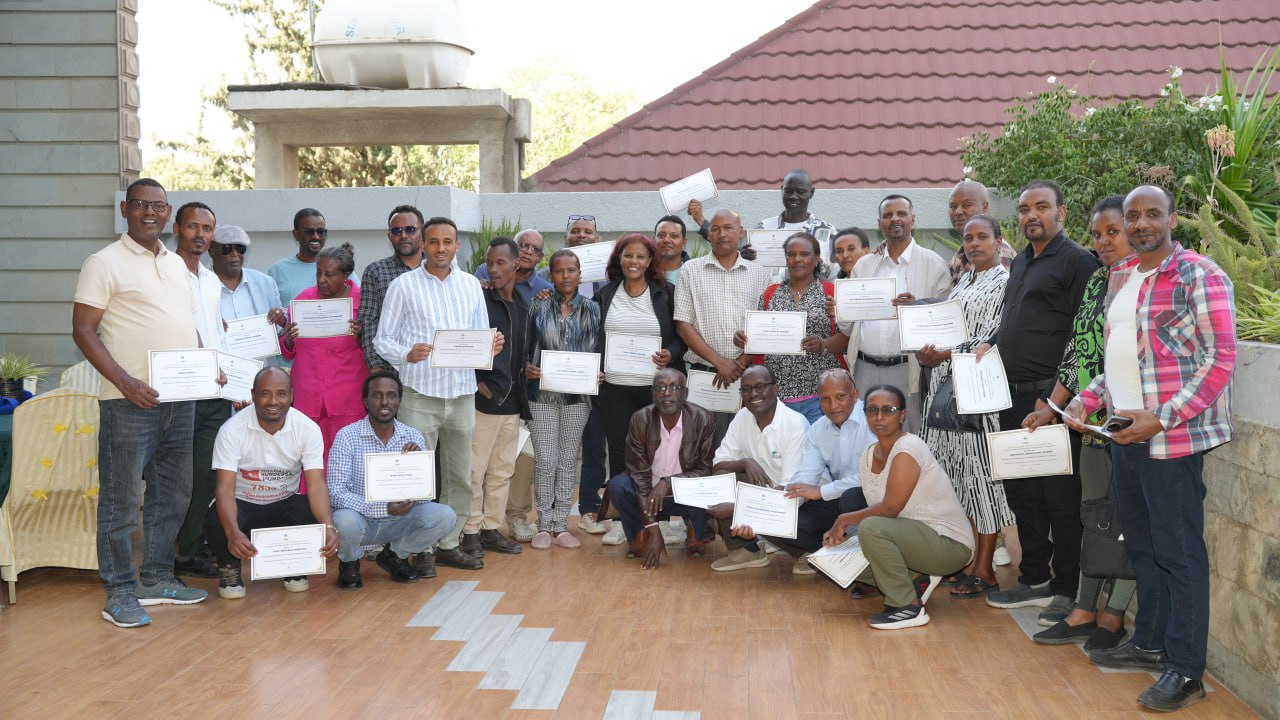
Peace is not built only by responding to conflict. It begins by recognizing the warning signs and acting before violence takes hold. The Consortium of Christian Relief and Development Associations (CCRDA), conducted a three-day training for civil society organization (CSO) leaders in Adama from October 21–23, 2026, under the theme “Early Warning and Response: Investing in Preventing Violent Conflict.” The training aimed to strengthen civil society’s capacity to identify emerging risks, prevent conflict escalation, and contribute to sustainable peace in Ethiopia.

Across communities, tensions can arise from competition over resources, displacement, misinformation, social exclusion, and unresolved grievances. When these warning signs go unnoticed or unaddressed, they can escalate into violence. With their close connections to communities, women, youth, faith-based groups, and local institutions, CSOs play a vital role in identifying emerging threats, amplifying community concerns, facilitating dialogue, and connecting stakeholders before tensions intensify.
The three-day training equipped CSO leaders with practical knowledge and skills in conflict analysis, early warning identification, information verification, responsible reporting, and timely response. Through case studies, group discussions, scenario-based exercises, and peer learning, participants explored how dialogue, mediation, community engagement, and coordinated action can help prevent violence and strengthen peaceful coexistence.

The training also emphasized inclusive, community-led approaches, the protection of vulnerable groups, and stronger collaboration among CSOs, government institutions, communities, and peacebuilding actors. Participants developed organizational action plans to integrate early warning and early response mechanisms into their programmes and community engagement, helping translate knowledge into practical action.
By strengthening the capacity of civil society leaders, CCRDA and CST Ethiopia sought to reinforce local conflict prevention mechanisms and promote a shift from reacting to crises towards anticipating risks and responding early. The initiative underscored the importance of collective responsibility, timely intervention, and sustained investment in preventing violent conflict and building lasting peace.
The warning signs often appear before violence erupts. Recognizing them, listening to communities, and acting in time can make the difference between escalating conflict and lasting peace.