Making Every Voice Count
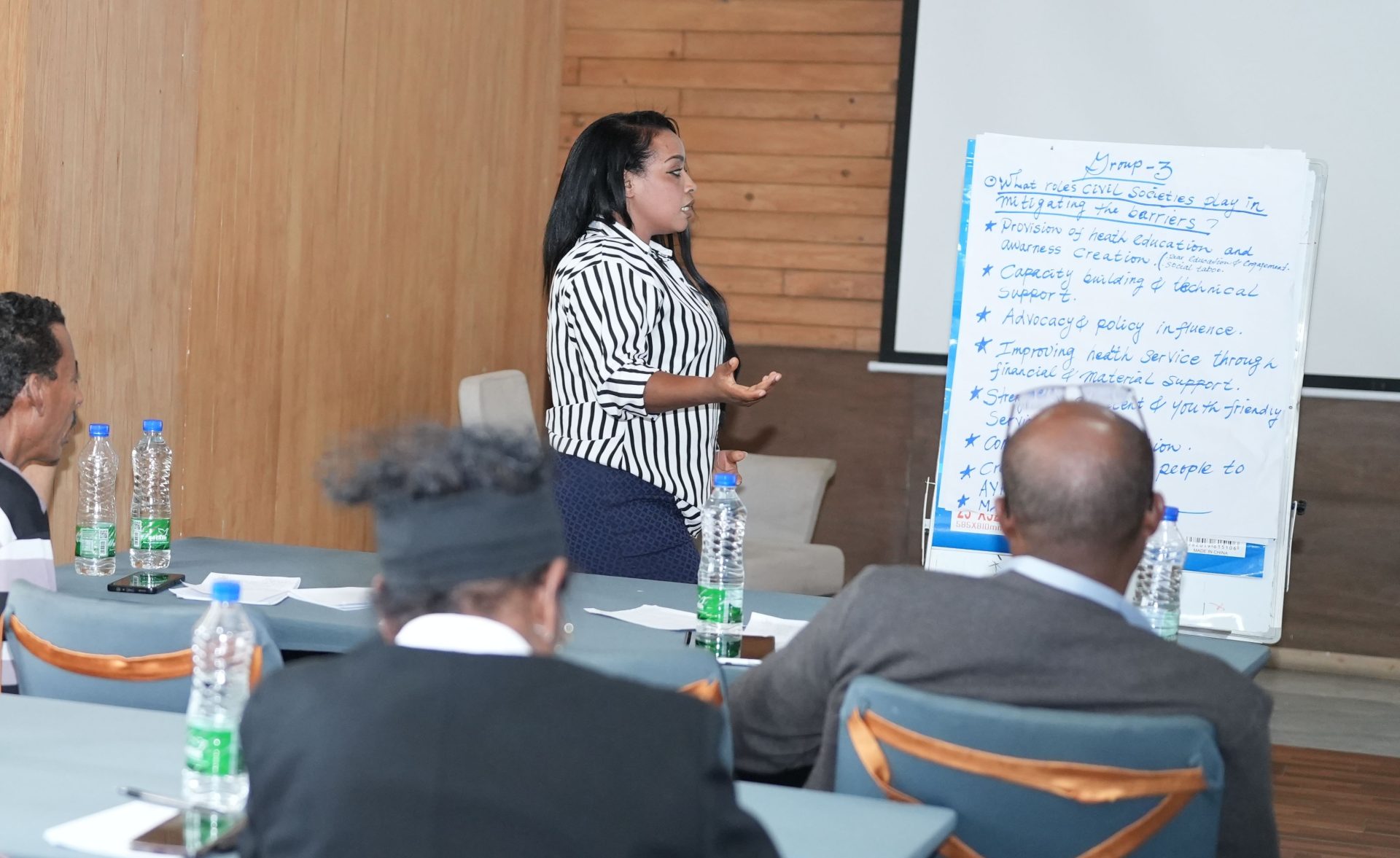
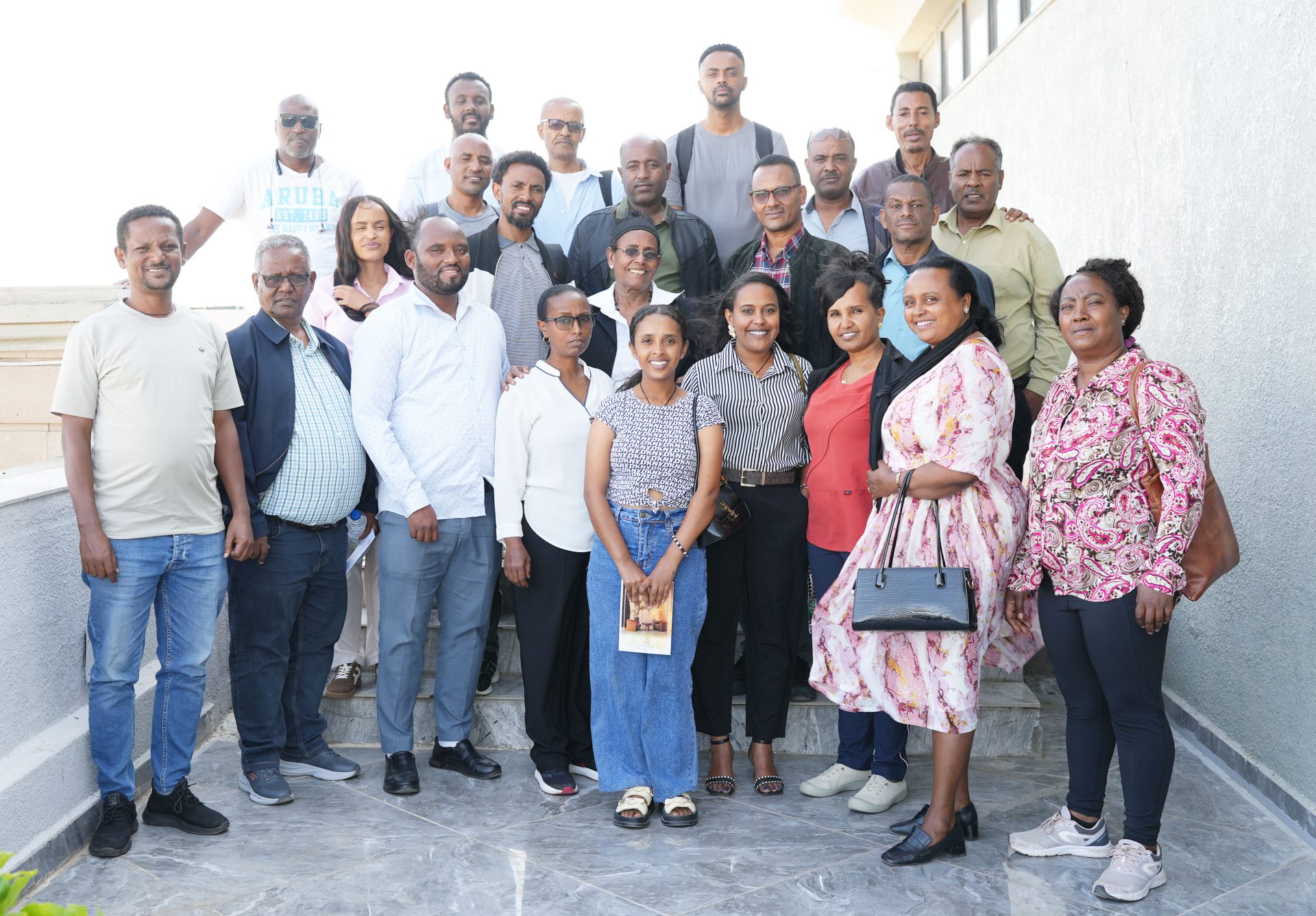
The Consortium of Christian Relief and Development Associations (CCRDA), through the Ethiopian Civil Society Health Forum, conducted a three-day training in Adama from October 20–22, 2026, focusing on Family Planning, Adolescent Sexual and Reproductive Health and Rights (SRHR), and Gender-Responsive Advocacy and Accountability.
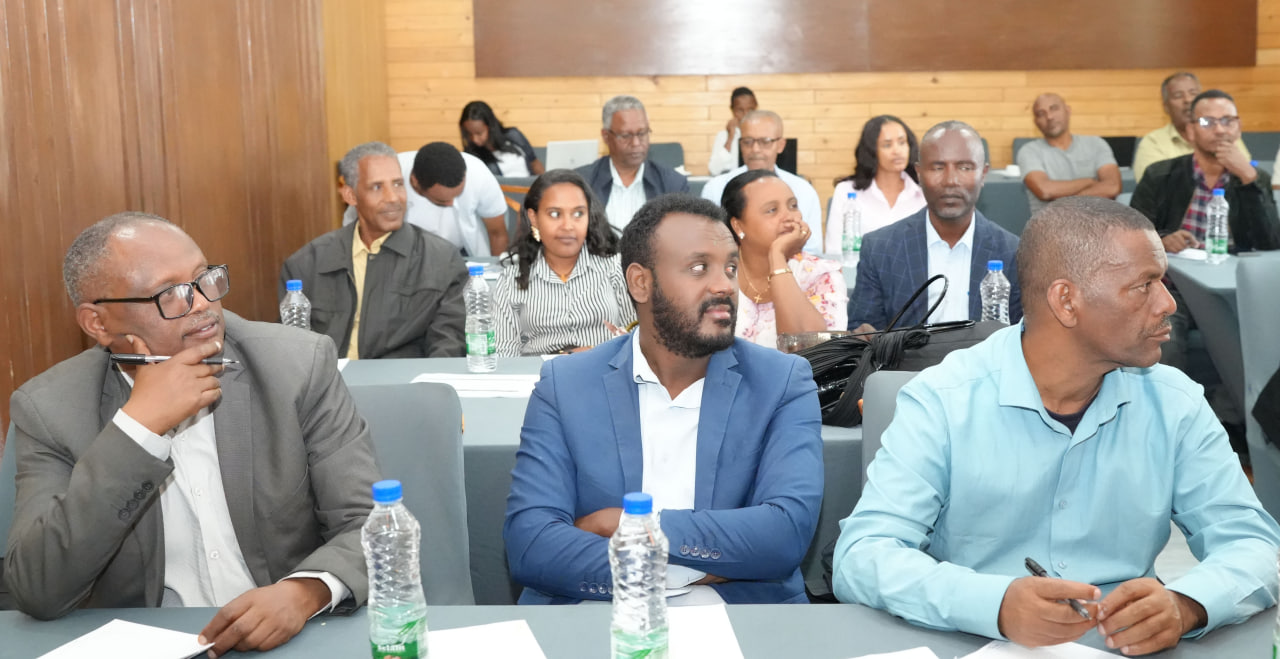
The training brought together representatives of member civil society organizations (CSOs) to strengthen their technical knowledge and advocacy capacities to promote rights-based, gender-responsive, and youth-inclusive health services. It aimed to equip participants with practical skills to monitor service quality, address barriers to access, engage communities, and hold service providers accountable for delivering equitable and responsive health services.
The training covered key priorities in Ethiopia’s family planning and adolescent health agenda, including rights-based programming, youth-friendly services, equity and access assessments, contraceptive commodity security, service quality monitoring, and community accountability. Participants also explored evidence-based advocacy, meaningful youth engagement, digital communication, and mechanisms for monitoring the implementation of national health commitments.
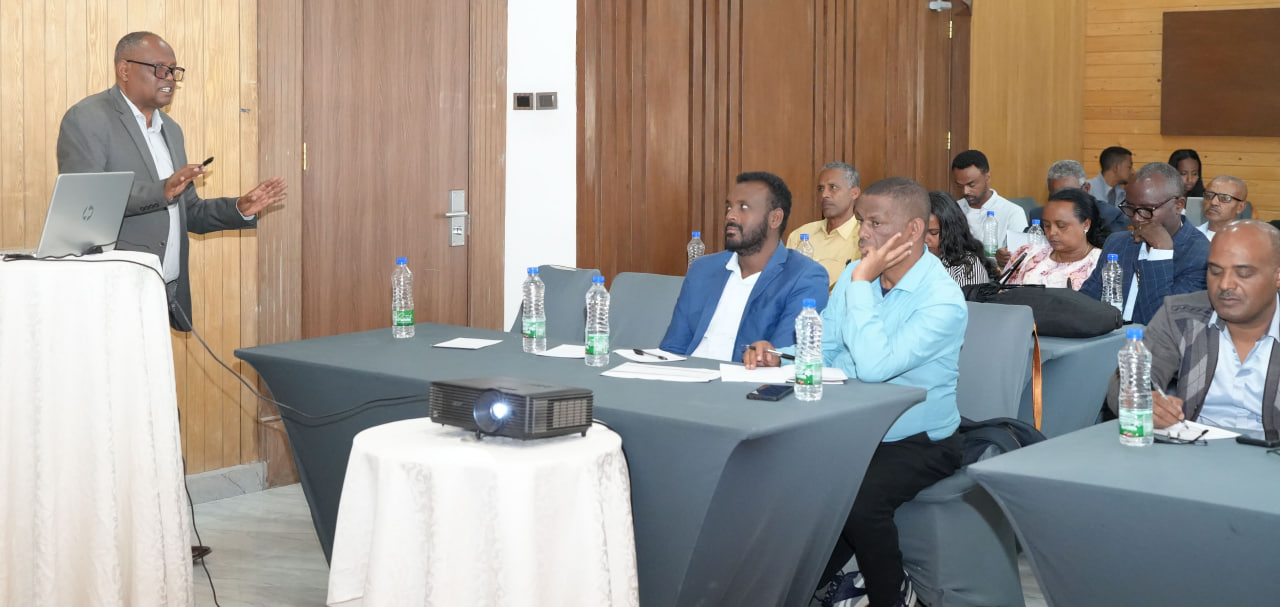
On the first day, Dr. Wassie Lingerh from the Ministry of Health facilitated sessions on rights-based approaches to family planning and the major barriers affecting adolescents and young people in accessing sexual and reproductive health services. The discussions highlighted the importance of addressing structural and social barriers to ensure that young people can access appropriate, inclusive, and quality health services.
On the second day, Mr. Berihu Sehagadis led sessions on youth-friendly service standards, equity and access assessments, and monitoring the quality of family planning services. The sessions also addressed contraceptive commodity security, stock-out monitoring and tracking, implementation of adolescent health commitments, and community and youth feedback mechanisms. These discussions emphasized the importance of reliable supplies, quality service delivery, and meaningful community participation in strengthening health accountability.
On the final day, Mr. Mesfin Nigussie, an Advocacy Expert, facilitated a session on advocacy for rights-based family planning and sexual and reproductive health services. Participants explored evidence-based advocacy approaches to promote sexual and reproductive health rights, address service delivery gaps, and strengthen accountability for national health commitments.
Through presentations, group discussions, and participatory learning, the training provided participants with practical approaches to strengthen community feedback mechanisms, promote meaningful youth participation, monitor health services, and advocate for equitable access to quality family planning and adolescent health services.
By investing in the capacity of civil society organizations to engage communities, monitor service delivery, and advocate for the effective implementation of health policies, CCRDA in the Ethiopian Civil Society Health Forum continue to support efforts toward a more inclusive, equitable, and accountable health system in Ethiopia.