𝐓𝐡𝐞 𝐈𝐦𝐦𝐮𝐧𝐢𝐳𝐚𝐭𝐢𝐨𝐧 𝐑𝐞𝐚𝐥𝐢𝐭𝐲 𝐂𝐡𝐞𝐜𝐤
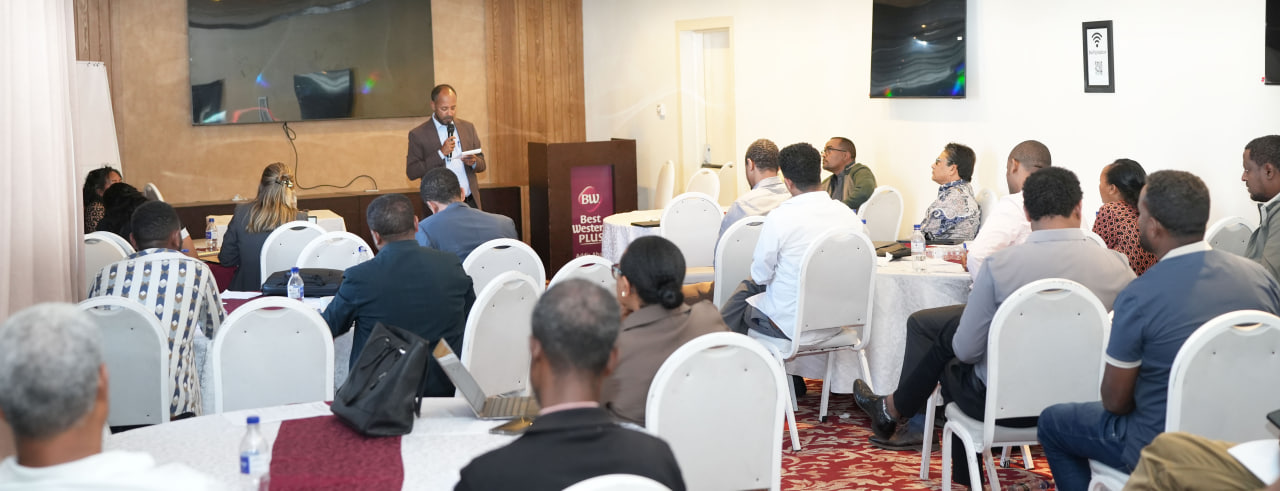
Strengthening immunization begins with understanding where systems stand, where communities face barriers, and where action can make the difference. The Core Group Partners Project (CGPP), under the Consortium of Christian Relief and Development Associations (CCRDA), convened the Strengthening Immunization Program Implementation Project Baseline Survey Dissemination Workshop on 1 October 2026, bringing partners together to reflect on evidence and translate findings into practical action.
Implemented in collaboration with CCRDA/CGPP, BPDO, EOC-DICAC, and FIDO, with funding support from CDC through Save the Children US, the project aims to strengthen immunization services and improve access for communities, particularly those that remain difficult to reach.
The workshop opened with welcoming remarks from Nigussu Legesse (PhD), Executive Director of CCRDA, who underscored the importance of strong partnerships in advancing Ethiopia’s immunization efforts. He expressed appreciation to donors, implementing partners, and regional health bureaus for their continued collaboration, highlighting the shared responsibility for strengthening immunization systems and improving community health.
David Schnabel, Program Director at CDC, emphasized the value of the baseline assessment in identifying opportunities for innovation and new approaches within community-based immunization efforts. He noted the importance of remaining flexible and responsive, particularly when working with hard-to-reach communities. He also acknowledged the efforts of CCRDA and its partners, including their engagement with regional health bureaus, in addressing the challenges of reaching underserved populations.
Representing Save the Children US, Dr. Maraya Plotkin emphasized the importance of ensuring that the findings are translated into implementation. The evidence generated through the assessment, she noted, provides a valuable foundation for strengthening ongoing work and informing future interventions.
The baseline assessment examined childhood immunization coverage, service delivery, access, community knowledge, and health facility readiness across seven woredas in Amhara and Oromia regions. It covered 2,225 households, 2,288 children aged 12–23 months, and 114 health facilities, complemented by qualitative interviews and discussions with health workers and community members.
The findings revealed both progress and important gaps. Overall, Penta 1 coverage stood at 83.3%, declining to 73.2% for Penta 3, while 16.7% of children were identified as zero-dose, with higher proportions recorded in Oromia (24.3%) and among rural children (23.3%). Only 42.3% of health facilities consistently implemented planned outreach sessions, while 47.4% reported experiencing a vaccine stockout during the previous three months. The assessment also highlighted gaps in cold-chain capacity, adverse events following immunization (AEFI) procedures, microplanning, and community-linkage systems.
At the same time, the assessment identified important foundations to build on, including recent staff training, functional coordination mechanisms, increasing use of data for decision-making, and the integration of immunization with other child health services.
The discussion that followed the presentation provided an opportunity for participants to reflect on what the findings mean for immunization programming. Questions, feedback, and reflections helped move the conversation from understanding where the program stands to considering how it can move forward in ways that respond to community needs.
A key part of the workshop was the group work, where participants explored how the evidence could be translated into practical immunization planning. The exercise encouraged partners to identify priority gaps, consider context-specific solutions, and strengthen approaches for reaching communities that remain underserved.