
Towards a Stigma-Free Justice System for SGBV Survivors
The Consortium of Christian Relief and Development Association (CCRDA), through its Women, Children and Youth Development Forum (WCYDF), convened a Validation Workshop of the Assessment on “Gender-Based Violence and Judicial Systems: Stigma and Discrimination” on 13 August 2026. The assessment was conducted to ensure evidence driven advocacy under the Gender Just Transformative Transitional Justice initiative dedicated to a gender-focused transformative reparation and institutional reforms framework that adopts a comprehensive, multisectoral, and survivor-centered approach to addressing Conflict Related Sexual Violence (CRSV) within the Transitional Justice process.
Designed to identify practical and clear intervention points for the institutional reforms pillar of the Transitional Justice, the assessment examined the manifestations, challenges, and impacts of stigma and discrimination within the judicial system in conflict-affected regions of Ethiopia by utilizing the CRSV Stigma Toolkit of Synergy for Justice.
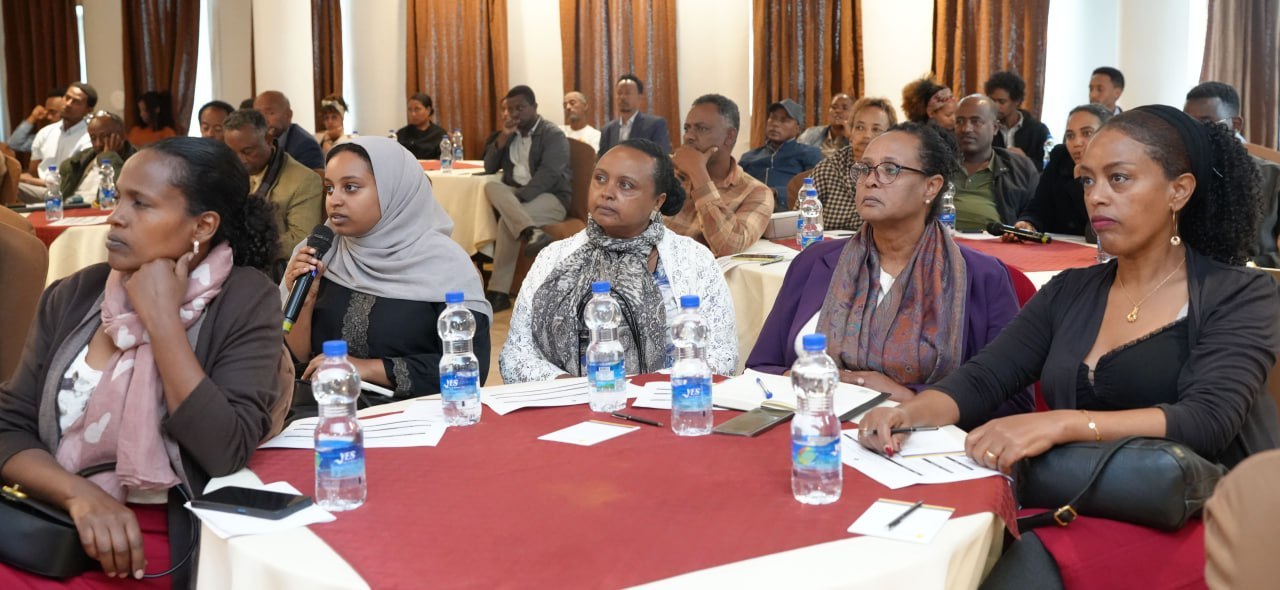
The assessment findings underlined the need to redefine the legal definition of rape from one centered on force and resistance with focus to penile penetration to one based on consent. It underscored the current definition constraining accountability, particularly in cases involving CRSV and children. The recommendation highlighted the need to enforce Zero-tolerance through SOPs or guidelines, disciplinary measures and complaint mechanisms to assure use of non-stigmatizing language throughout the justice process.
It further underscored the need for specific evidentiary rules that shift the existing practice which places considerable burden of proof on survivors seeking justice. Medical evidence (mainly focused on hymen examination and presence of semen) was treated as near-determinative. The assessment underscored the need to shift towards evidence assessed holistically by apply ‘flexible evidentiary rules aligned to TJ victim participation strategy), survivors’ testimony and psychological assessments given due weight. The need to provide evidentiary guidance was underscored. The witness protection framework was also challenged for framing protection around witnesses and whistleblowers, instead of recognizing survivors as rights-holders with individualized risk assessment.
The assessment also identified opportunities within the Transitional Justice Strategy for Victims’ Participation (2025), including flexible rules of evidence, camera hearings, specialized investigation and hearing mechanisms, and reparation measures for CRSV survivors and their children. These provisions offer a foundation for strengthening survivor protection, participation, accountability, and access to justice. Accordingly, emphasized the need for their integration in the institutional mechanisms of Transitional Justice.
Beyond the regulatory and procedural gaps that reinforce practices of stigma, the assessment looked into the attitude, knowledge and practice amongst judiciary actors focusing on manifestations related to GBV stigma 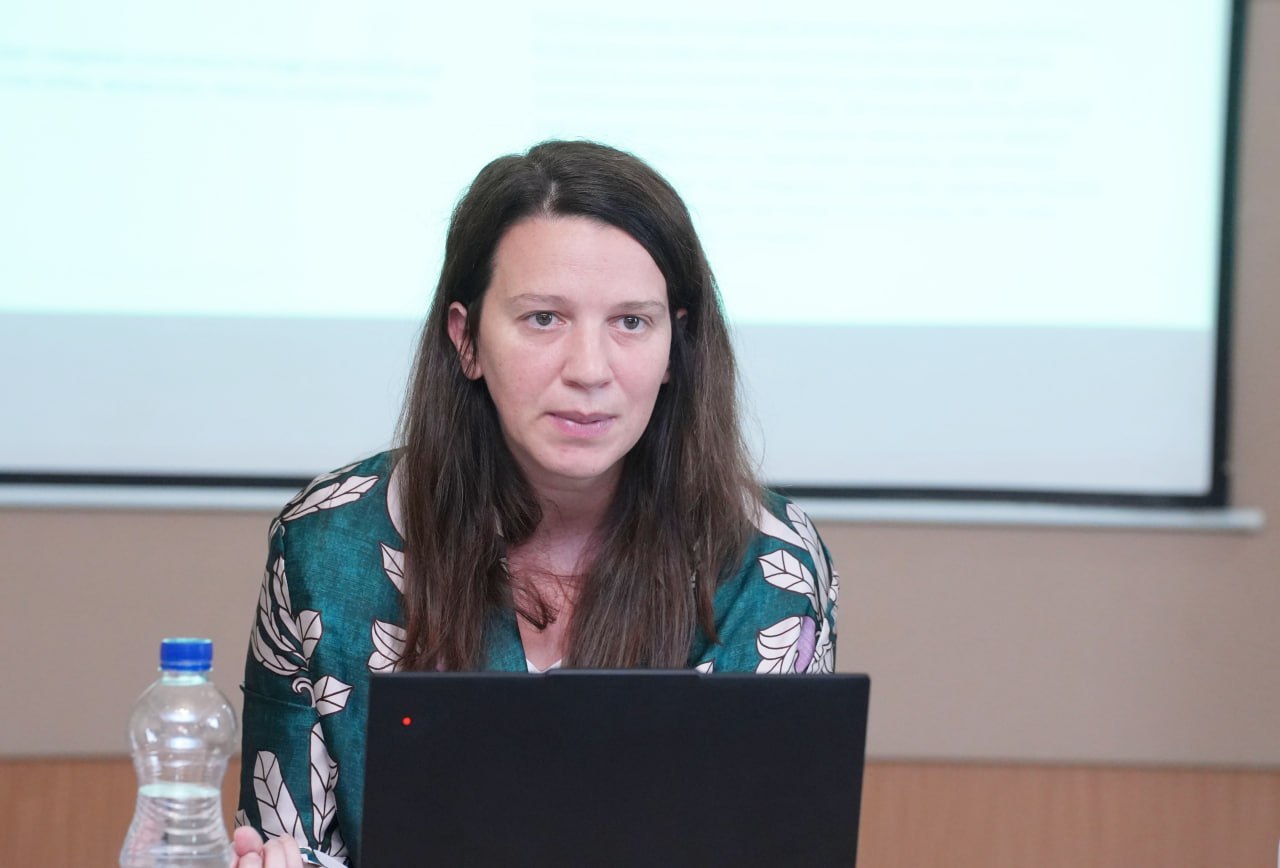
The recommendations call for a phased approach, beginning with practical administrative measures, followed by institutional strengthening and capacity-building, and ultimately legislative and policy reforms. They also emphasize strategic communication and behaviour change to challenge stigma and discriminatory attitudes and promote a more supportive environment for survivors.
The workshop concluded with plenary discussions and feedback, enabling participants to strengthen and validate the findings and recommendations and reinforce the need for coordinated action. The workshop brought together relevant stakeholders from relevant government ministries, CSOs and UN Agencies to examine persistent challenges within the justice system and identify practical pathways towards a more survivor-centred and stigma-free response to sexual and gender-based violence (SGBV).
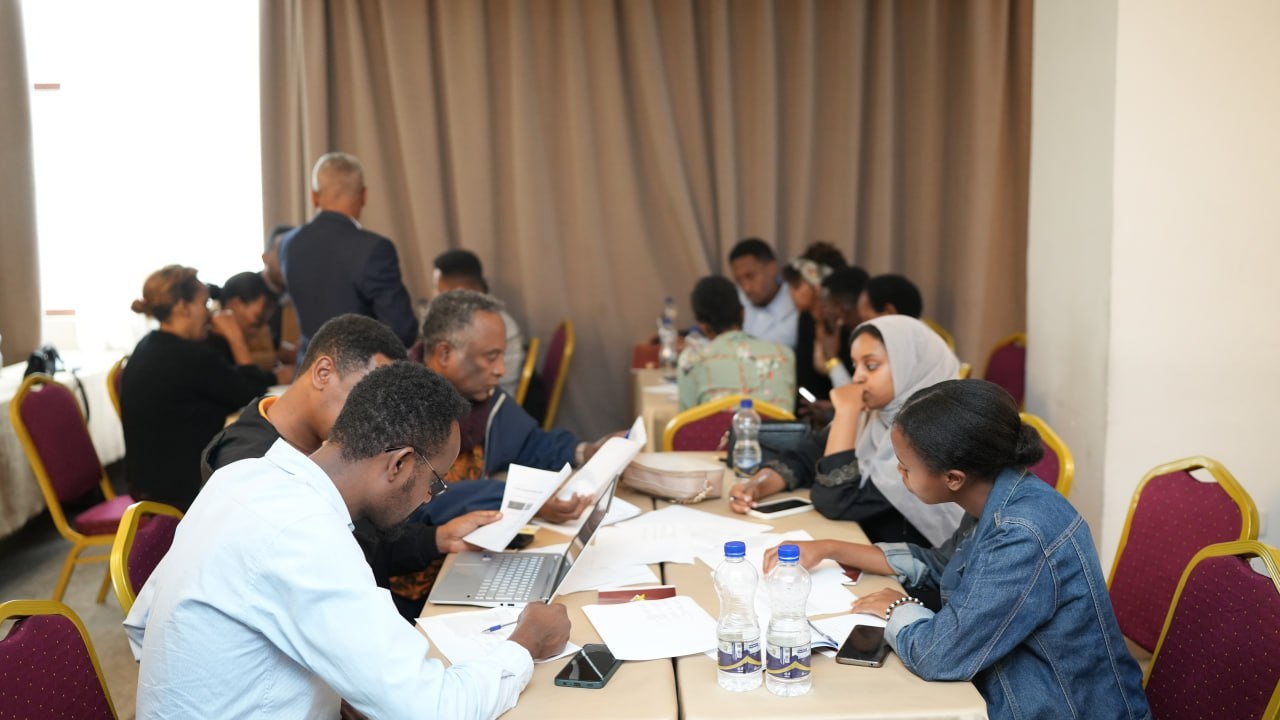
Building on the assessment validation, CCRDA and WCYDF convened an Advocacy Action Plan Development and Coordination Session on 14 August 2026, under the theme “Towards a Stigma-Free Justice System for SGBV Survivors.” The session focused on turning evidence and recommendations into coordinated advocacy and action.
Participants worked to finalize and validate the Advocacy Action Plan and Implementation Matrix, translating priority findings into concrete activities, responsibilities, timelines, indicators, and resource requirements.
The session also emphasized leveraging the technical, human, financial, institutional, and network capacities of WCYDF and CCRDA member organizations. Participants proposed establishing a dedicated Advocacy Action Plan Committee to coordinate implementation, mobilize resources, and monitor progress.
Together, the two sessions mark an important step from evidence to advocacy and from identified gaps to coordinated action. Through stronger collaboration, institutional capacity, strategic communication, and behaviour change, CCRDA and its partners are advancing efforts towards a justice system where survivors of SGBV can seek justice with dignity, protection, and freedom from stigma and discrimination.