𝐖𝐡𝐞𝐫𝐞 𝐖𝐚𝐭𝐞𝐫 𝐅𝐥𝐨𝐰𝐬, 𝐄𝐪𝐮𝐚𝐥𝐢𝐭𝐲 𝐆𝐫𝐨𝐰𝐬: 𝐓𝐡𝐞 𝐈𝐧𝐟𝐥𝐮𝐞𝐧𝐜𝐞 𝐨𝐟 𝐂𝐥𝐞𝐚𝐧 𝐖𝐚𝐭𝐞𝐫 𝐒𝐮𝐩𝐩𝐥𝐲 𝐨𝐧 𝐆𝐞𝐧𝐝𝐞𝐫 𝐄𝐪𝐮𝐚𝐥𝐢𝐭𝐲
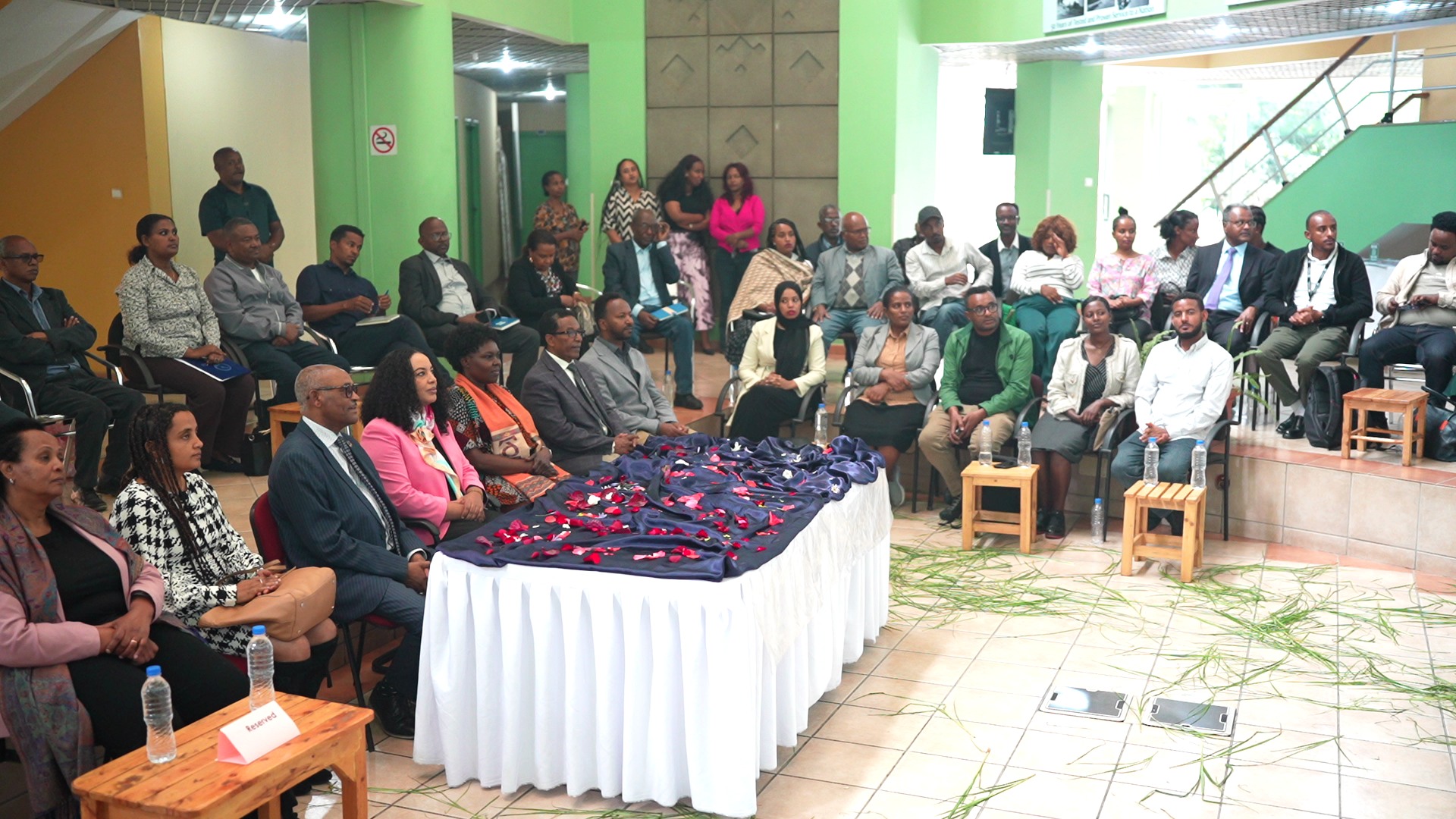
The Consortium of Christian Relief and Development Association (CCRDA) is conducting a panel discussion on Water, Gender, and Menstrual Hygiene Management (MHM) on April 24, 2026, at the CCRDA office.
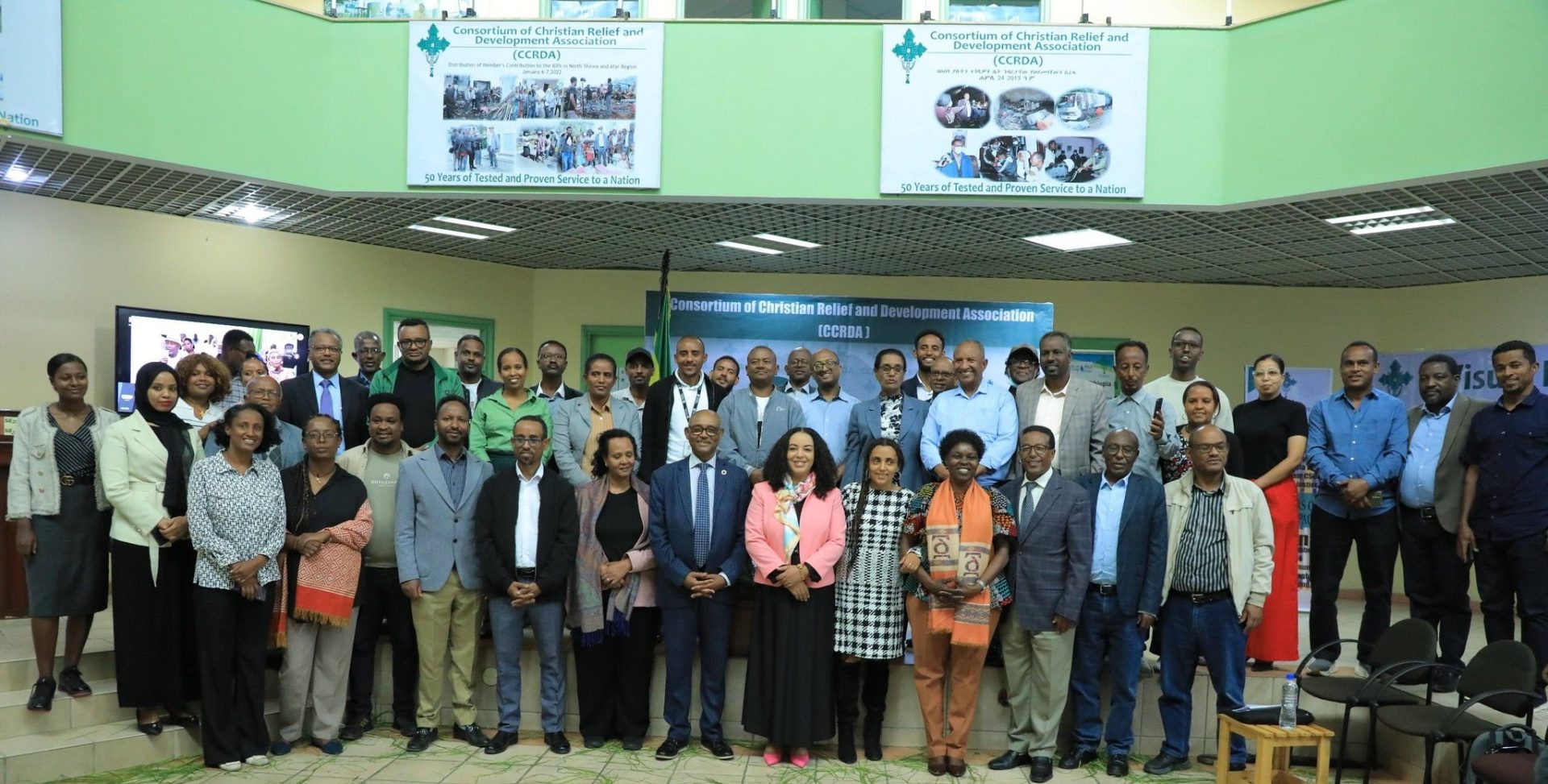
The event brought together a diverse group of stakeholders, including H.E. Ergogie Tesfaye (PhD), Minister of Women and Social Affairs, CCRDA leadership, WASH Forum members, and representatives from academic institutions and partner organizations.
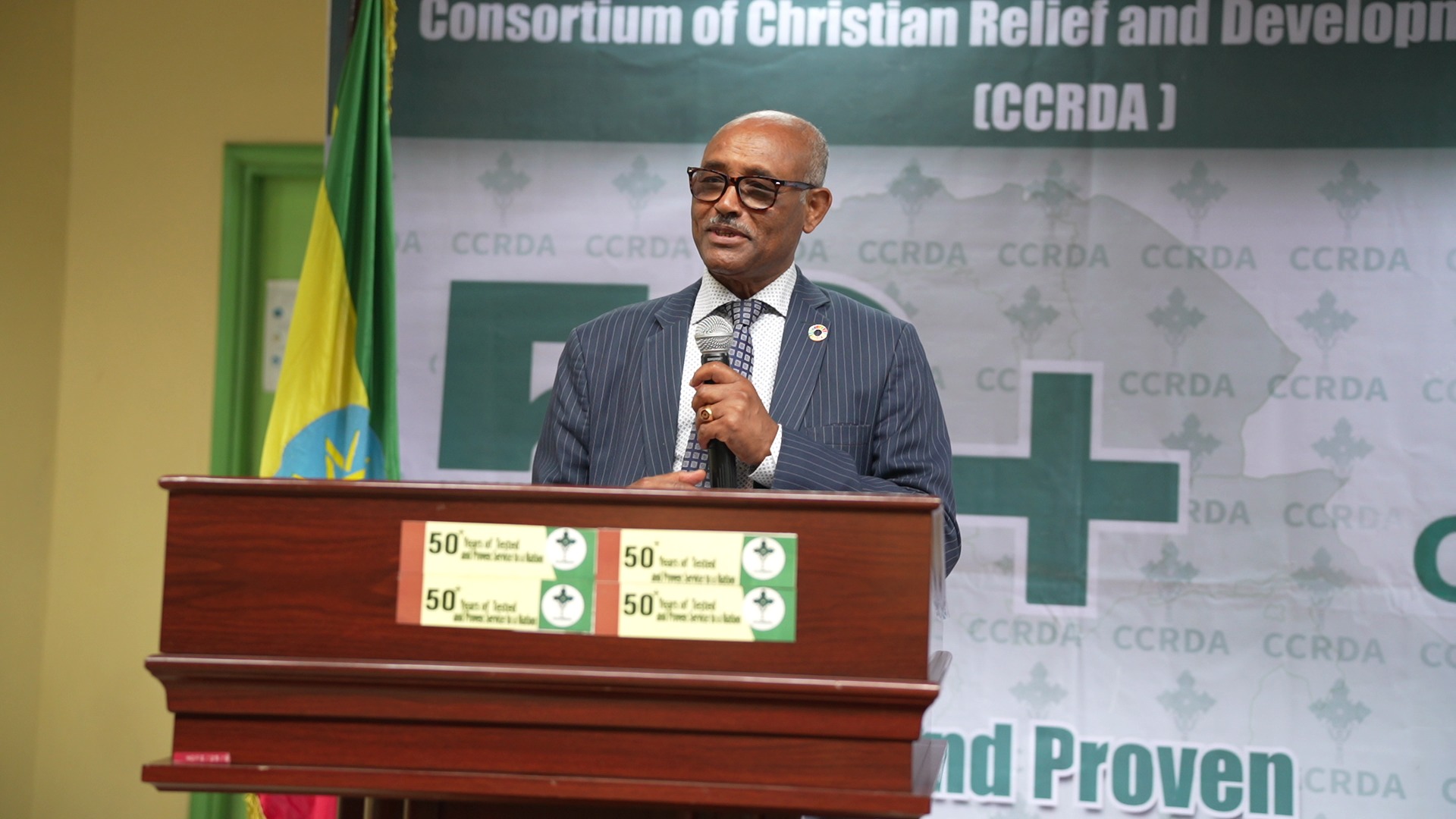
The panel discussion began with welcoming remarks from Nigussu Legesse (PhD), Executive Director of CCRDA. In his address, he emphasized that water is a fundamental pillar of human dignity and a catalyst for societal transformation. He noted that water scarcity affects women and girls in Ethiopia, placing additional burdens on their time, health, and opportunities.
He further underscored that the purpose of the dialogue was not only to address infrastructure challenges but also to examine water access as a reflection of broader social inequalities and as a platform for sustainable and inclusive development.
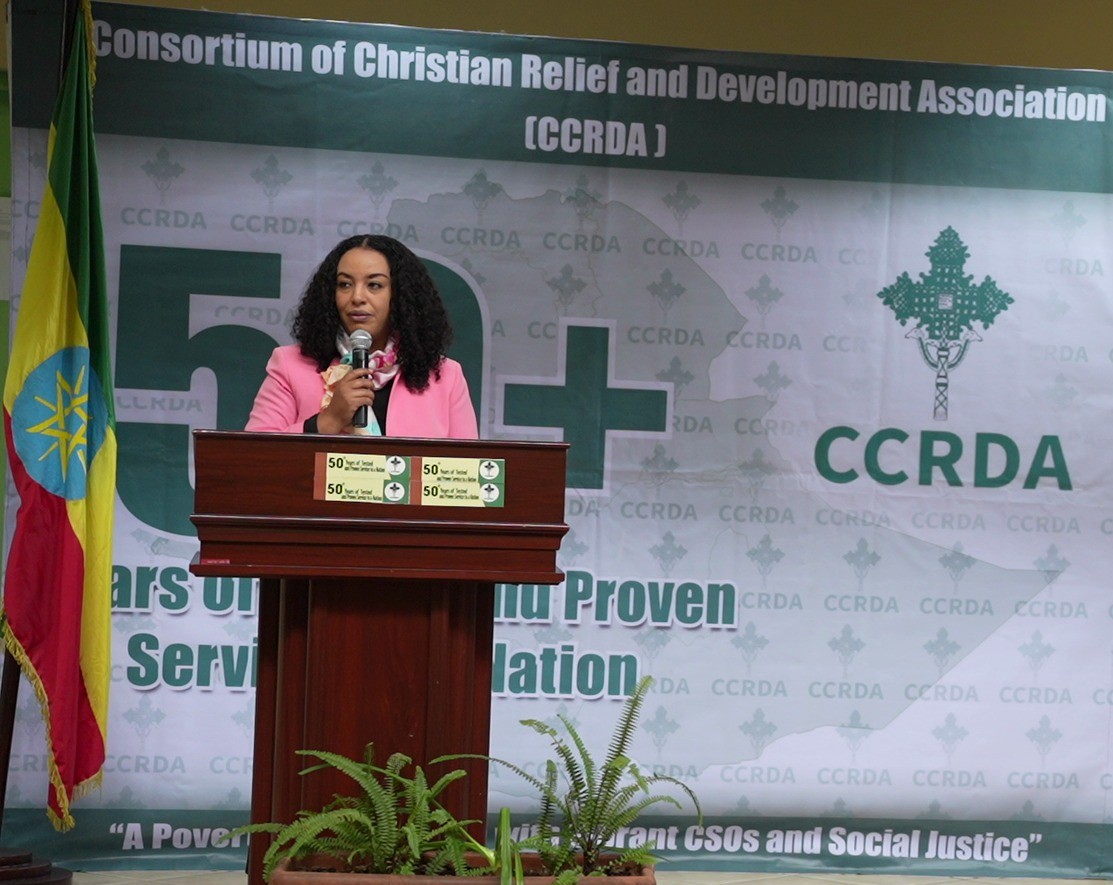
In her opening speech, H.E. Ergogie Tesfaye, Minister of Women and Social Affairs, expressed her sincere appreciation for CCRDA’s coordinated efforts to improve community livelihoods. She stressed that access to Water, Sanitation, and Hygiene (WASH) is fundamentally an issue of human rights, dignity, and social justice. Highlighting the gendered impact of water insecurity, she noted that women and girls, particularly in rural Ethiopia, face the greatest challenges, which in turn limit their participation and decision-making power in society.
The Minister reaffirmed the government of Ethiopia’s commitment to advancing gender-responsive WASH services through its Ten-Year Development Plan. She identified menstrual hygiene management (MHM) as a critical barrier to gender equality, explaining that inadequate facilities and lack of access to appropriate products negatively affect girls’ education and women’s productivity. To address this, she noted that the Ministry is working collaboratively across sectors, including through a national council co-chaired with the Ministry of Health, to expand access to affordable and reusable menstrual health products.
In conclusion, H.E. Ergogie Tesfaye (PhD) emphasized the importance of recognizing women not only as beneficiaries of WASH services but also as key decision-makers and managers within these systems. She also acknowledged the vital role of civil society organizations, including CCRDA and its members, in service delivery, advocacy, and community engagement.