From “What should we do?” to “How do we prove we are doing it?”
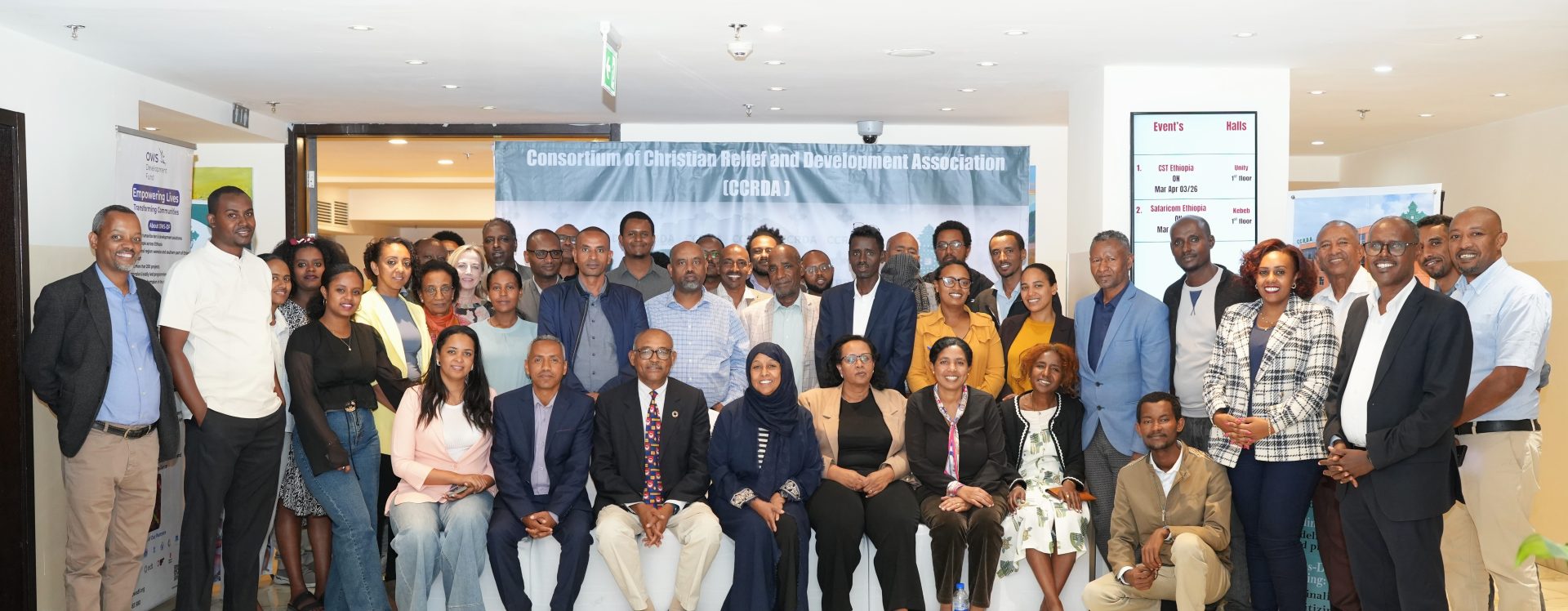
The launch of the Comprehensive Localization Guideline, under the theme “Advancing Localization for System-Wide Humanitarian Impact,” took place on April 3, 2026, at the Best Western Premier Dynasty Hotel. The event was facilitated by CCRDA and CST Ethiopia as part of the Local SPACE Project, a global initiative aimed at strengthening institutional capacity and enhancing the meaningful participation of Local and National Actors (L/NAs) in the humanitarian system.
It brought together key stakeholder, including government agencies, OCHA, INGOs Groups , Local SPACE member L/NAs, and CCRDA member organizations. 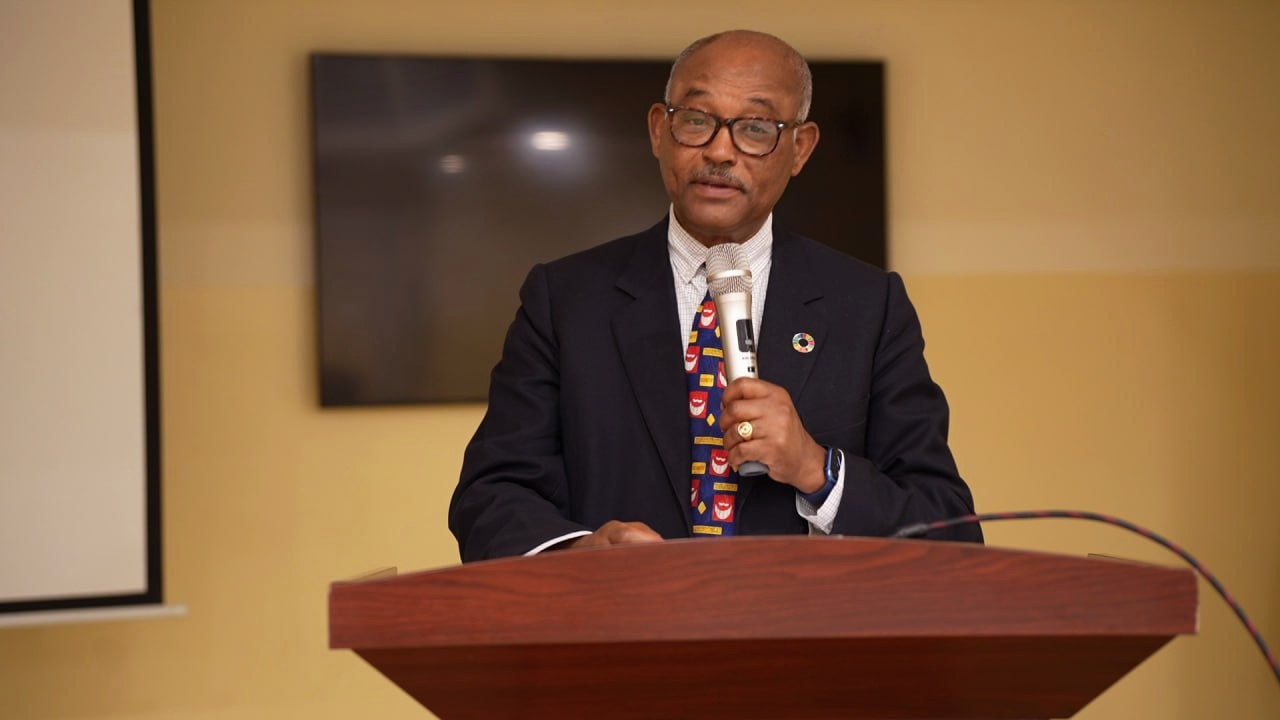
In his opening remarks, Nigussu Legesse (PhD), Executive Director of CCRDA, emphasized that localization is no longer a new concept but a necessary shift driven by community needs. He highlighted the importance of empowering national and local actors in humanitarian response, noting that the Local SPACE Project focuses on strengthening institutional capacity and leadership of L/NAs. He further stressed that local actors are not merely participants but the backbone of the humanitarian system, bringing cultural understanding and contextual relevance.
Mekeda Woldehiwot from the Ethiopian Disaster Risk Management Commission also noted localization as a key agenda and called for stronger collaboration among stakeholders to advance its implementation. She underlined the Localization Guideline as significant milestone for promoting sector wide awareness and institutional ownership.
During the context-setting presentation, Muluken Wondimeneh, Country Project Coordinator at Welthungerhilfe Ethiopia, outlined key challenges hindering localization. These included a significant funding gap, where local NGOs receive only a small fraction of direct funding despite global commitments, as well as power imbalances that limit local organizations to implementation roles rather than strategic leadership. He also highlighted issues of donor trust, risk transfer to local actors without adequate support, and administrative barriers that disadvantage smaller organizations.
Tsige Mekonen, Humanitarian Project Manager, ANPPCAN Ethiopia, presented the Comprehensive Localization Guideline as a practical framework for action, defining localization as a strategic shift for meaningful decision-making power, resources, and ownership to local and national actors. She emphasized that the guideline promotes equitable partnerships, direct funding, and strengthened local systems, ensuring that communities drive the actions that affect them. The framework is designed to enhance relevance, accountability, and sustainability in humanitarian and development efforts.
The event also featured presentations of the Partnership Equity Scorecard by Abreham Tura, Program Manager, PADet. The Partnership Equity Scorecard was presented as a key advocacy, diagnostic, and accountability tool designed to measure, track, and transform partnerships between International NGOs/Donors and Local/National Actors (L/NAs). It is to serve towards the operationalization of localization commitment by moving partnerships from being transactional to being strategic, equitable, and transformative.
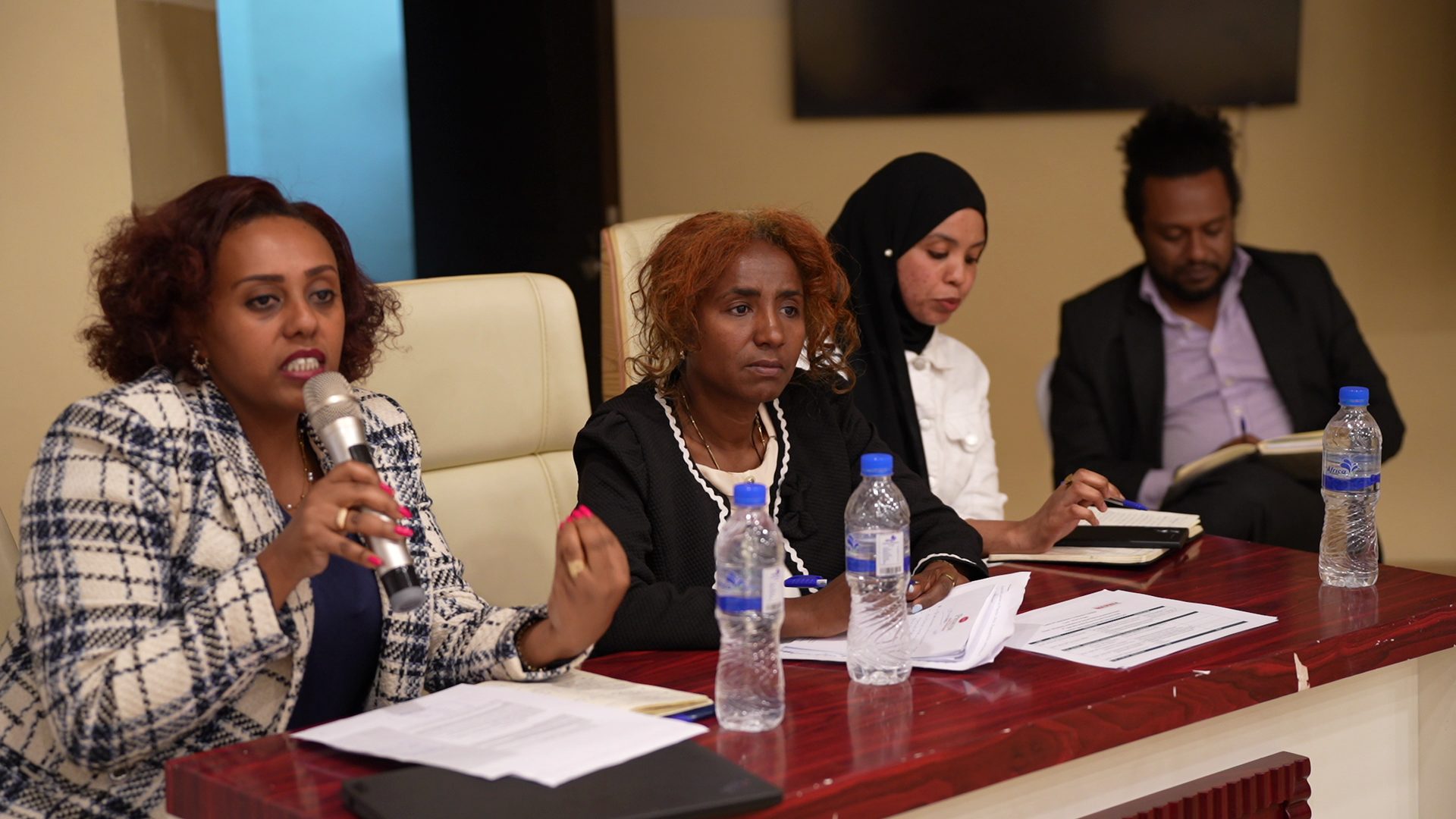
A panel discussion on theme “From Commitment to Practice” allowed participants to reflect on roles, readiness, and responsibilities while proposing actionable next steps and follow-up mechanisms in promoting the adoption, utilization, and endorsement of the guideline by key stakeholder in the sector.
Tsehay Admassu, Senior Director for Program Development and Management at CCRDA, highlighted that opportunity, access, and trust are critical to strengthening community-centered approaches. She emphasized that localization is an ongoing process, requiring the practical translation of commitment to action by all stakeholder, and noted that harmonization and collaboration are essential for meaningful progress.
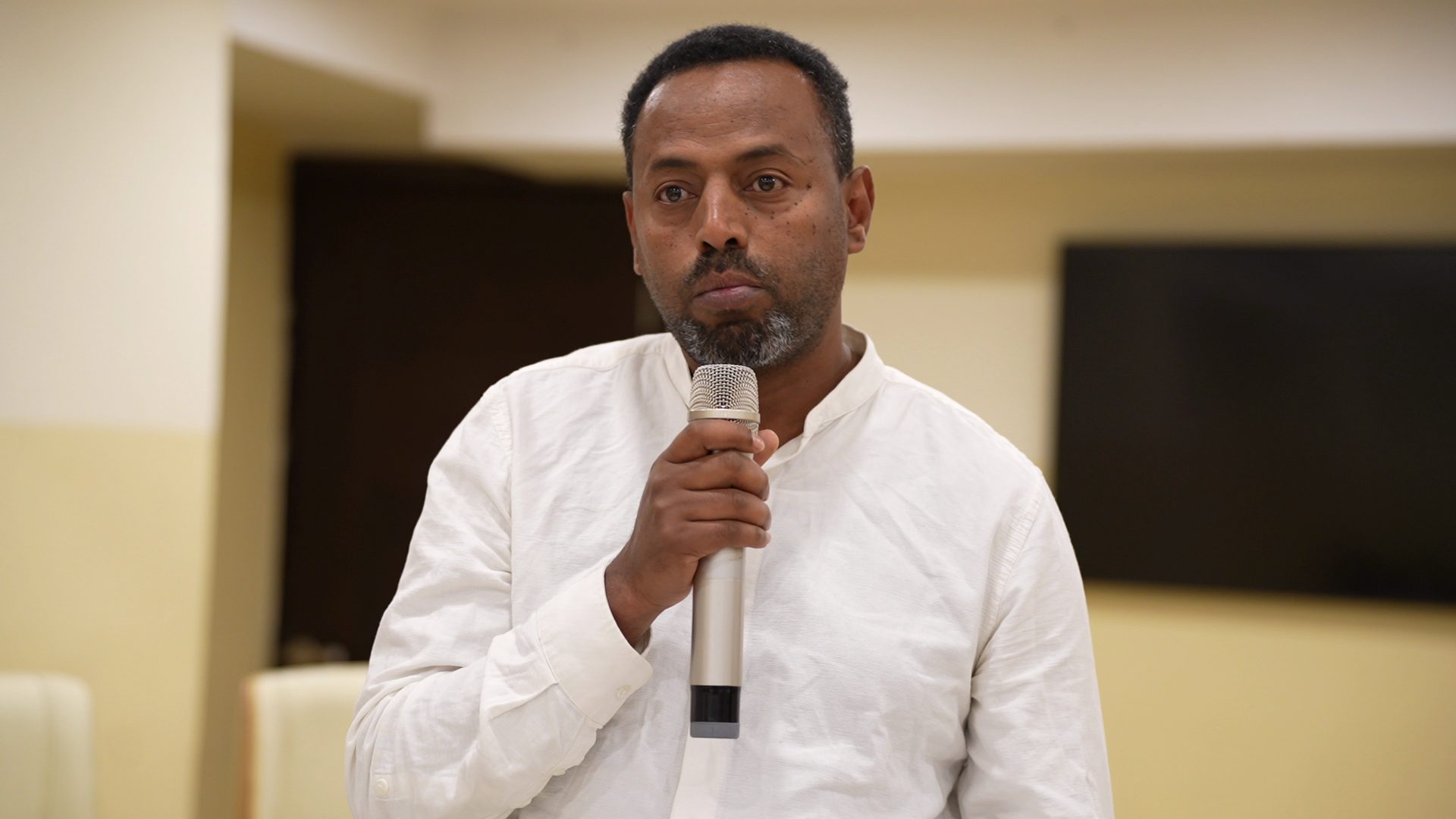
In the closing remarks, Tsegaye Challa, CST Ethiopia Deputy Country Director and Head of Programmes, reaffirmed the importance of collective commitment to advancing localization. He underscored that localization is not just a concept but a practical responsibility that requires sustained commitment and regular follow-up to ensure real progress.
Overall, the Comprehensive Localization Guideline serves as a strategic organizational tool designed to transition localization from a theoretical framework into an operational reality. It is designed with the purpose to sets out organizational commitment to localization by promoting local leadership, equitable partnerships, and community-driven programming. It aims to ensure programs are contextually relevant, accountable, and sustainable by transferring decision-making authority, direct resources, and institutional ownership to local and national actors. Driven by global commitments such as the Grand Bargain and Charter for Change, the guideline emphasizes that sustainable and effective humanitarian responses are best achieved when local actors lead the design, implementation, and evaluation of programs. By promoting equitable partnerships built on mutual respect and transparency, the framework ensures that resources, risks, and recognition are shared fairly.
To ensure accountability and measurable progress, the guideline introduces specific institutional commitments, including a target to channel at least 25% of humanitarian funding directly to local and national primary responders by 2028. Furthermore, it mandates a significant shift in governance, requiring that local partners hold at least 50% of seats on programming committees to ensure genuine decision-making authority. Operationally, it promotes simplified due diligence processes, multi-year flexible funding, and confidential community feedback mechanisms. Ultimately, this comprehensive localization guideline seeks to reinforce a more inclusive and resilient humanitarian system where communities meaningfully shape the actions that affect their lives.