Forging the Future: CCRDA’s 253rd General Assembly
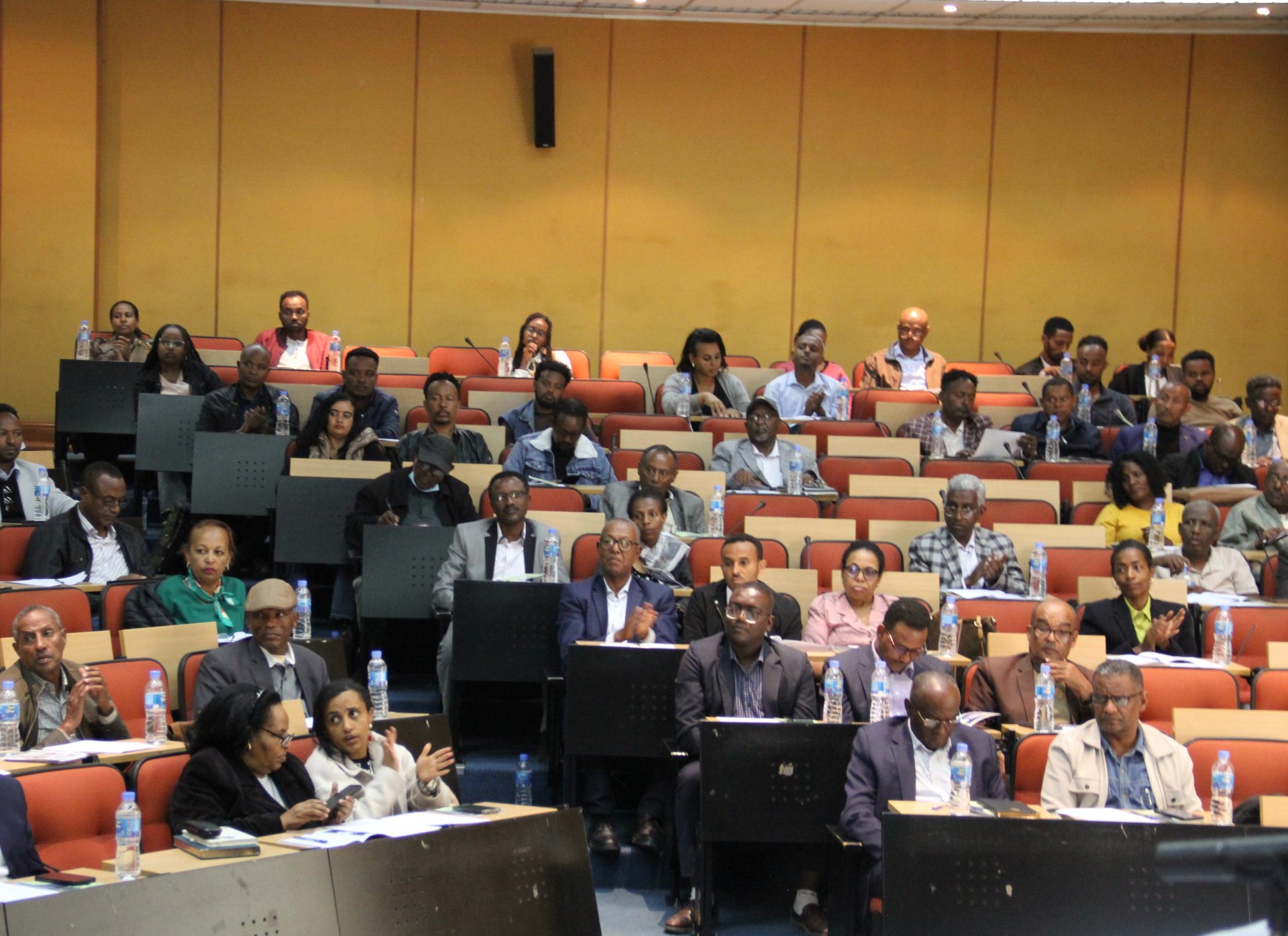
On the morning of March 27, 2026, the CCRDA meeting hall in Addis Ababa gradually filled with voices of anticipation. Representatives from civil society organizations (CSOs), government institutions, and development partners gathered for the 253rd General Assembly The meeting was a moment that would reflect both the achievements and challenges of Ethiopia’s civil society sector.
Ato Melaku Sibhat, Chairperson of the CCRDA Membership Assembly, officially opened the session. With a warm welcome, he acknowledged the presence of distinguished guests and participants, setting a tone of collaboration and shared purpose.
In his opening remarks, he spoke passionately about the indispensable role of civil society organizations. He painted a vivid picture of their contributions, empowering communities, delivering humanitarian aid, advocating for human rights, and strengthening democracy.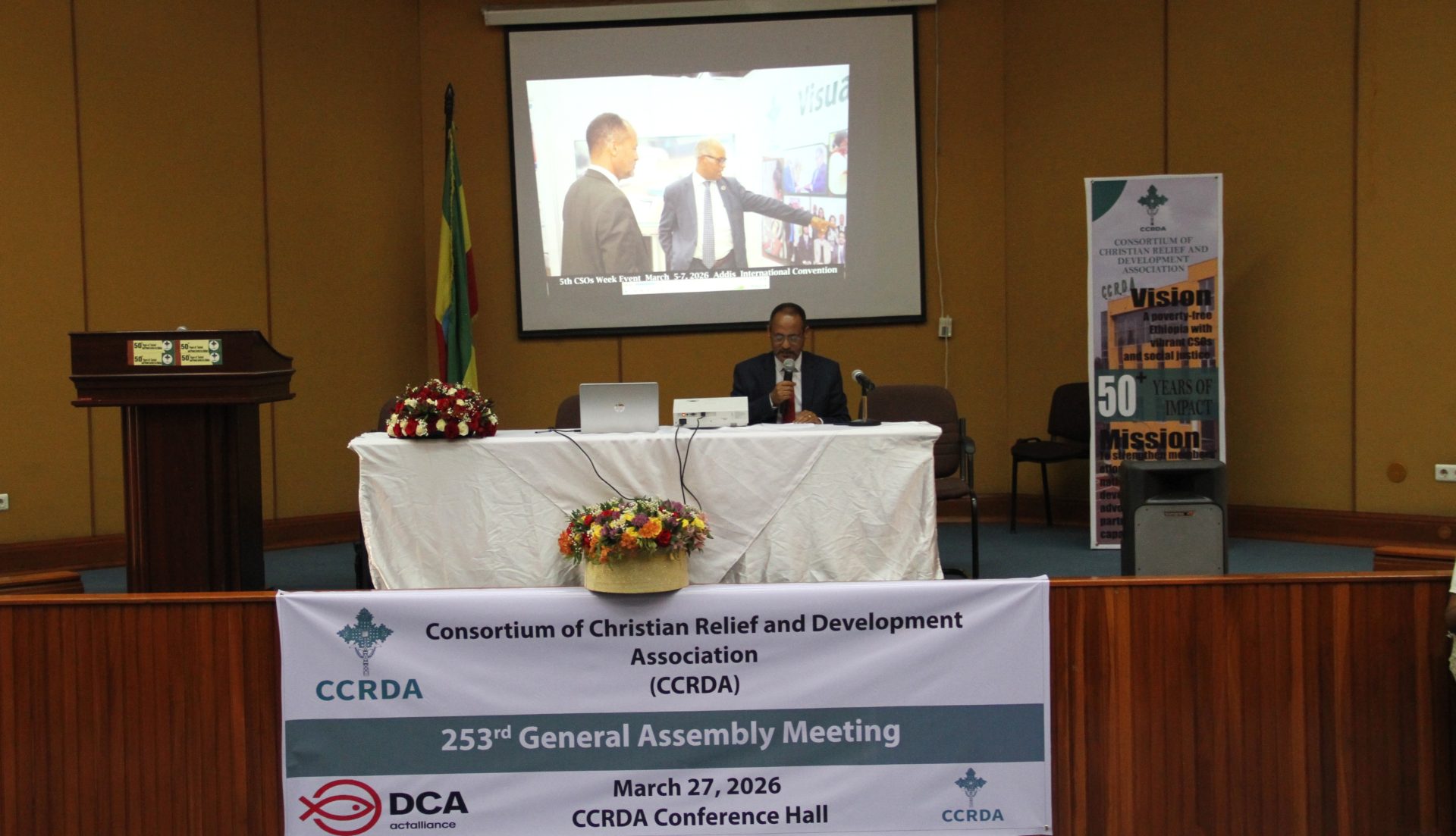
He emphasized how CSOs build bridges between communities, promote dialogue, and foster peace in times of uncertainty. Yet his message also carried concern. Resource limitations, he noted, continue to challenge their effectiveness. His call was clear: stronger partnerships, deeper collaboration, and united action are urgently needed.
As the meeting progressed, the Electoral Committee presented two nominees to fill board positions: W/ro Mulu Haile and Ms. Margaret Volden. Their profiles were shared, and participants were invited to reflect and provide feedback.
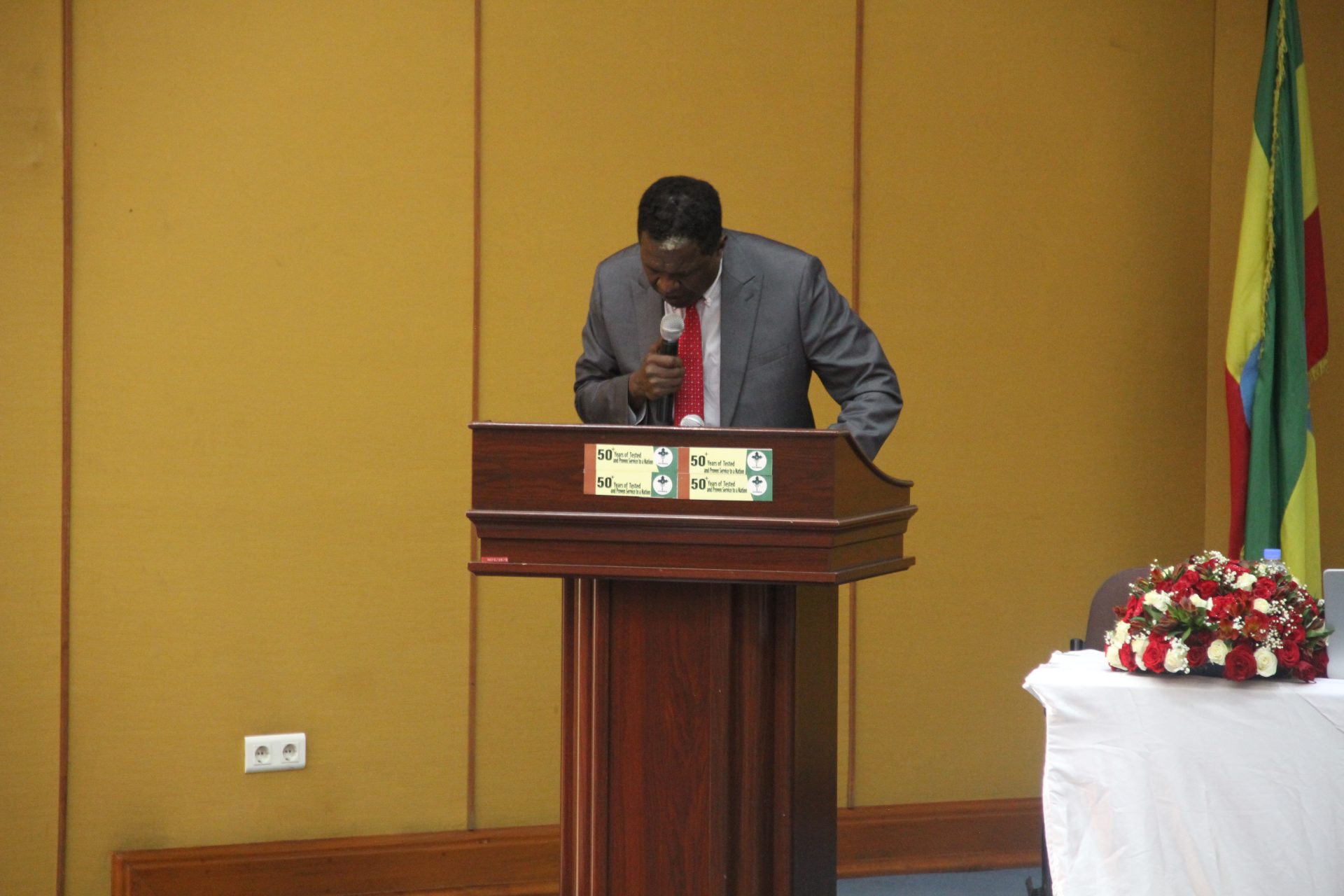
H.E. Samson Biratu, Director General of the Authority for Civil Society Organizations, expressed deep appreciation for the sector’s contributions. He reminded participants that Ethiopia stood at a critical moment, approaching its seventh national election. In this context, CSOs are not just contributors but essential actors helping to ensure fair elections, raising public awareness, and strengthening democratic participation. His message was both recognition and a call to action.
A sombre moment followed during a presentation on the disaster in southern Ethiopia. Ato Mamo Moliso shared the tragic reality of landslides and flooding in the Gamo Zone.
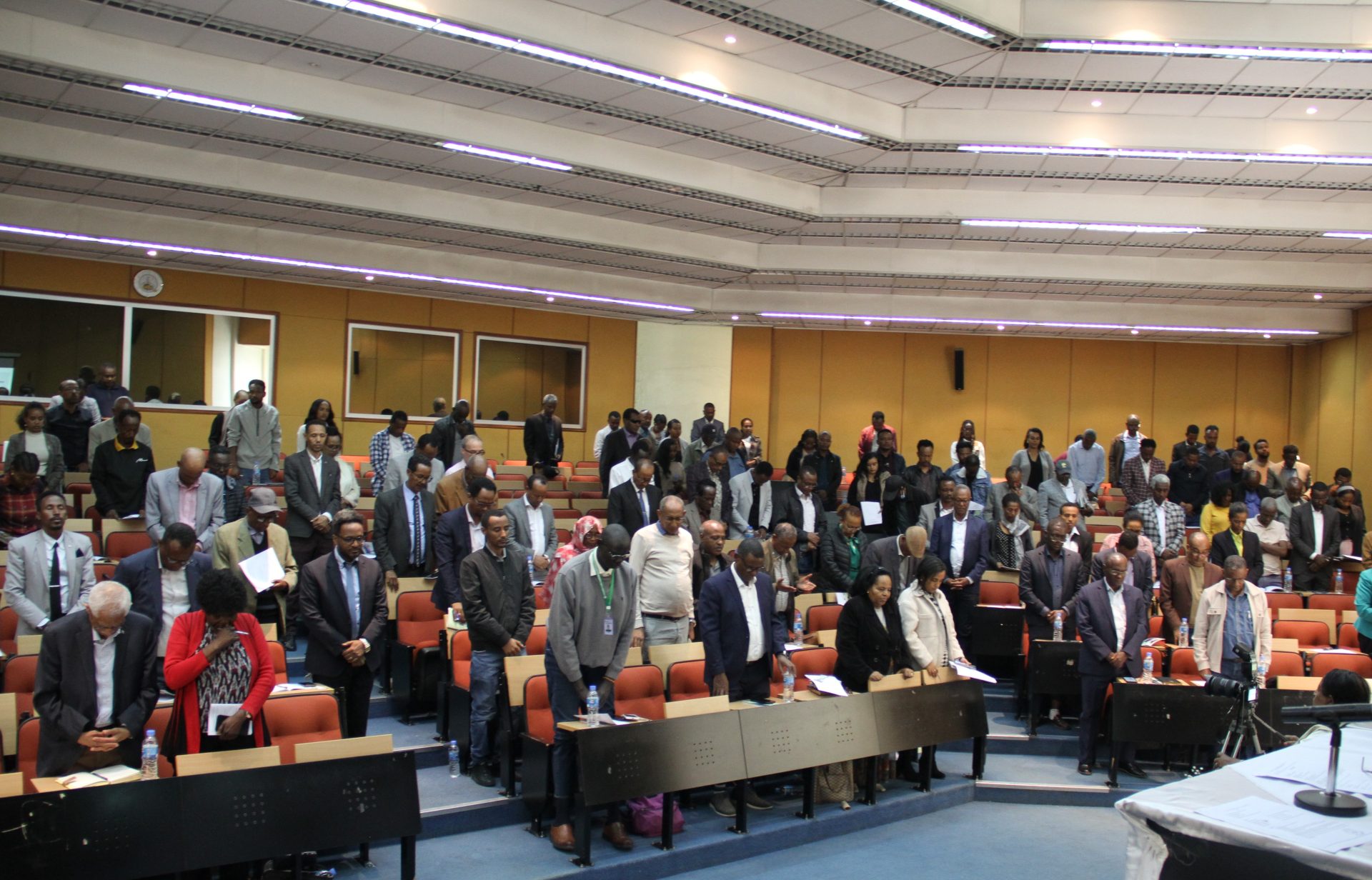
The room fell silent as participants honored the victims.
He described ongoing efforts by both government and civil society to respond to the crisis, while emphasizing that much more is needed, particularly in coordination and sustained engagement.
Participants engaged deeply in the discussion that followed. They spoke about the recurring nature of such disasters and the urgent need for early warning systems. Others stressed the importance of trauma healing and psychosocial support, while some highlighted logistical challenges in reaching remote communities. The discussion reflected both concern and commitment and a shared determination to improve future responses.
The conversation then turned toward peacebuilding. Dr. Awoke Atnafu from the Ministry of Peace emphasized that sustainable peace requires collective effort. He outlined initiatives ranging from conflict-area interventions to reintegration programs and educational support for peace. At the same time, he pointed to growing challenges, including extremism and the spread of misinformation. In response, he emphasized long-term solutions rooted in youth engagement, education, and the promotion of positive social values.
Later in the session, Nigussu Legesse (PhD), CCRDA Executive Director, presented CCRDA’s 2025 performance and future direction. His report highlighted significant progress in stronger partnerships and impactful programs in peacebuilding and health. At the same time, he was candid about the challenges faced and the lessons learned.
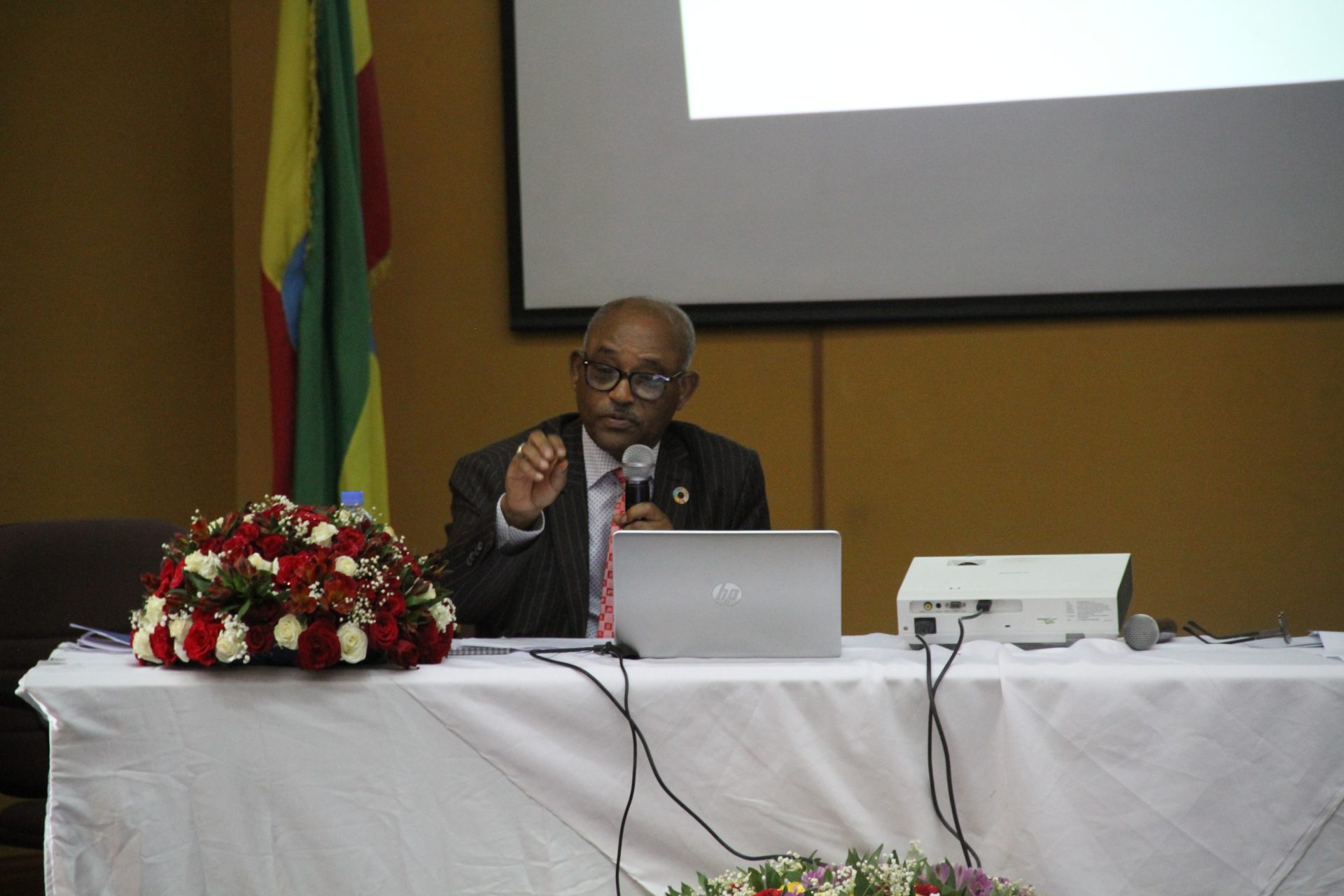
Looking ahead, he outlined the 2026 Annual Operational Plan and the broader 2026–2030 Strategic Plan. These plans aim to transform CCRDA through innovation, rights-based programming, and community-led development. He also introduced a bold new initiative: the establishment of a U.S. liaison office. This office, he explained, would connect CCRDA to global opportunities, mobilize diaspora engagement, and strengthen resource mobilization at a time when Ethiopia faces complex economic, social, and climate challenges.
Participants responded with thoughtful questions and constructive feedback. They raised concerns about member engagement, capacity building, and governance structures. There were also calls to strengthen collaboration and reduce internal competition among local actors.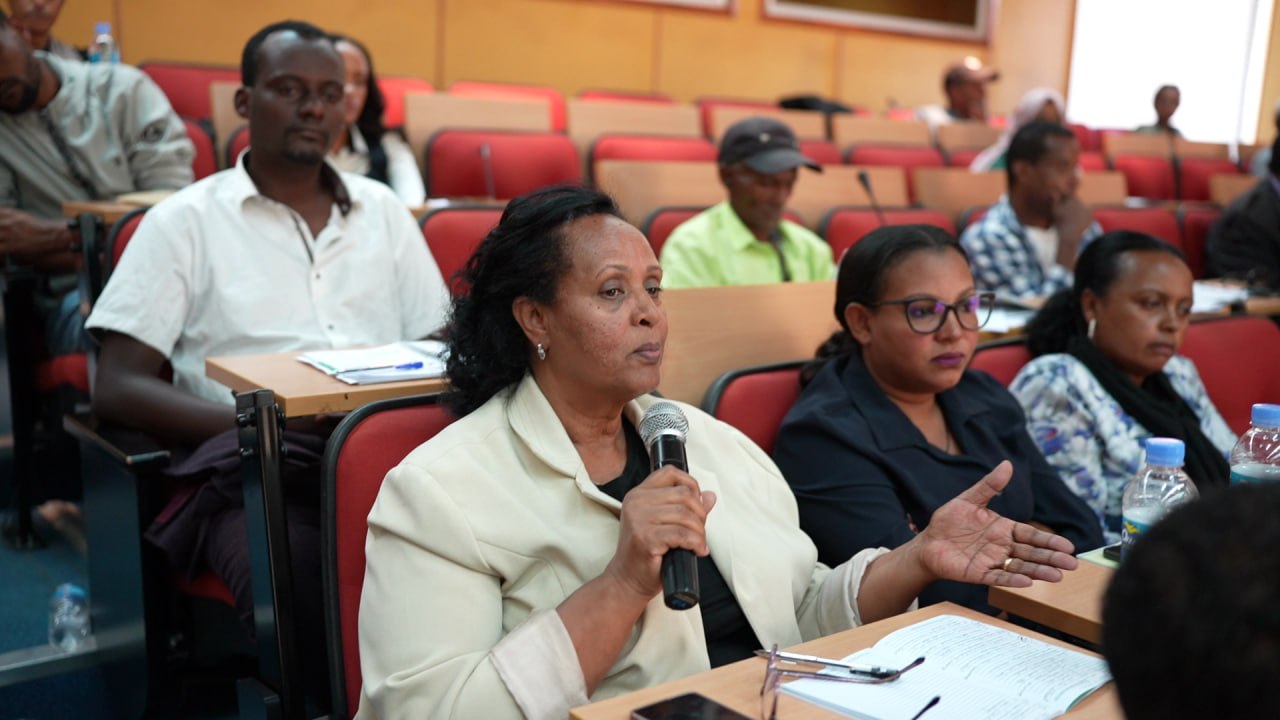
Additional insights enriched the discussion. Former Board Member Lily Omondo reflected on the Board’s critical role in ensuring accountability and strategic direction. Meanwhile, W/ro Tsehay Admasu, Senior Director of Program Development & Management Core Team at CCRDA highlighted the importance of localization, urging members to actively engage in national platforms and work more collaboratively.
As the meeting neared its conclusion, a significant milestone was reached: 19 new civil society organizations were officially admitted as CCRDA members. Shortly afterward, the election results were announced W/ro Mulu Haile and Ms. Margaret Volden were successfully elected to the board.
In his closing remarks, Ato Melaku Sibhat returned to a central theme localization and the future of civil society. He urged members to strengthen their role in peacebuilding, capacity development, and advocacy. His final words carried both gratitude and determination.
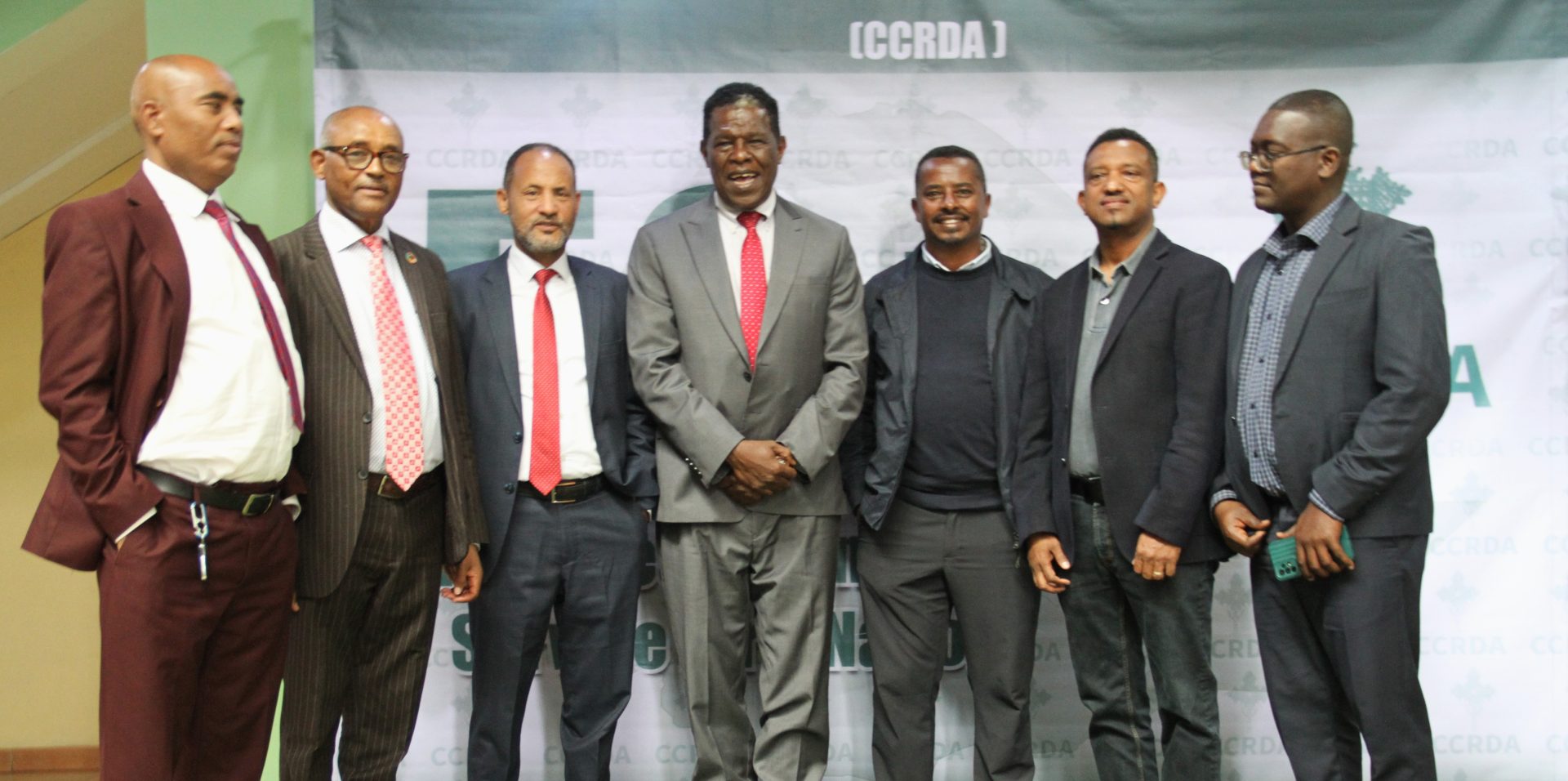
As participants departed, there was a shared sense that this was more than just a meeting; it was a moment of reflection, commitment, and renewed purpose for the future of civil society in Ethiopia.