Every Drop Counts: Strengthening Citizen Voice in Urban Water Supply Services
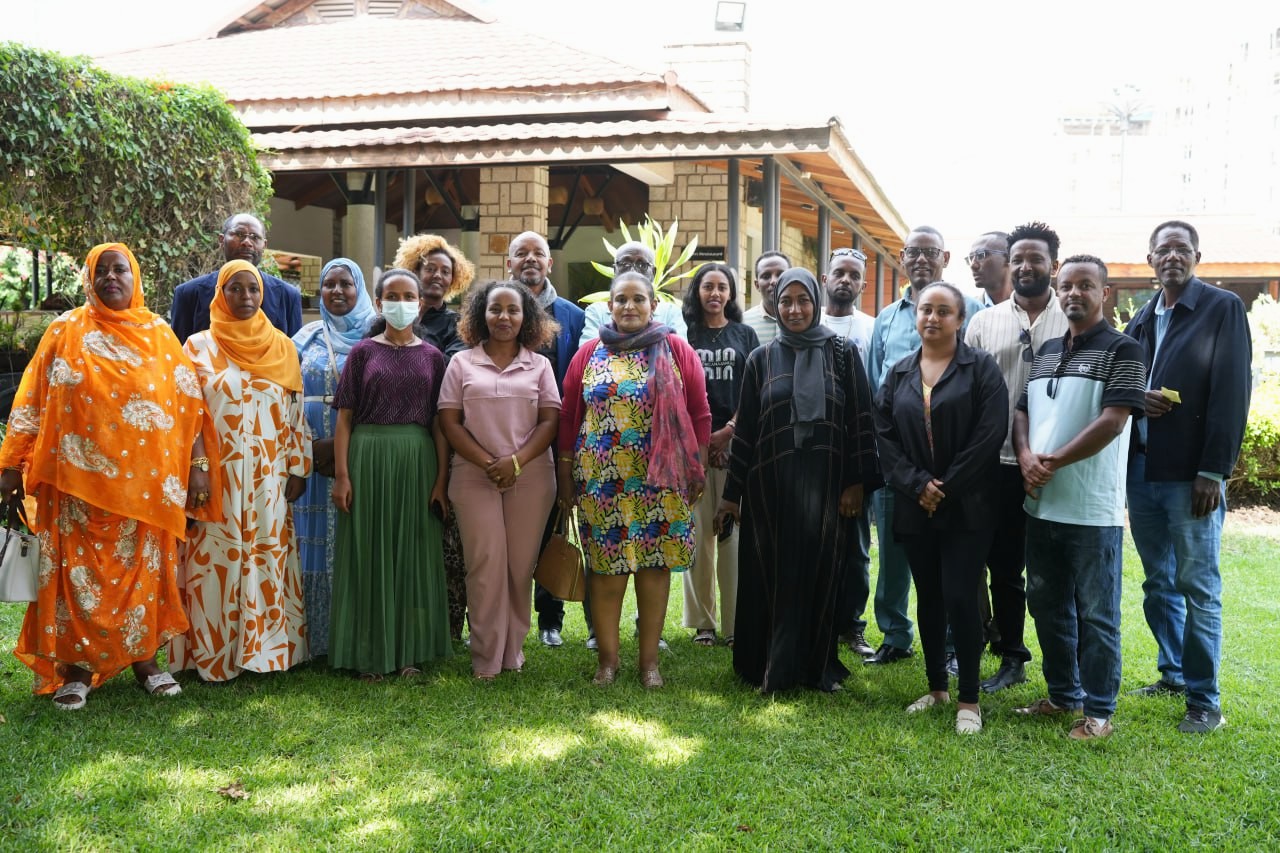
On March 12–13, 2026, the CCRDA organized a comprehensive two-day training in Adama focused on “Strengthening Citizen Voice Platforms for Inclusive and Accountable Urban Water Supply Service Delivery”.
The training aimed to enhance participants’ understanding of citizen engagement, social accountability mechanisms, and inclusive platforms that improve transparency and responsiveness in urban water services. Urban water supply in Ethiopia faces multiple challenges, including rapidly growing urban populations, infrastructure limitations and limited citizen participation in decision-making. Strengthening citizen voice platforms is therefore essential to ensure that water service providers remain responsive, accountable, and inclusive.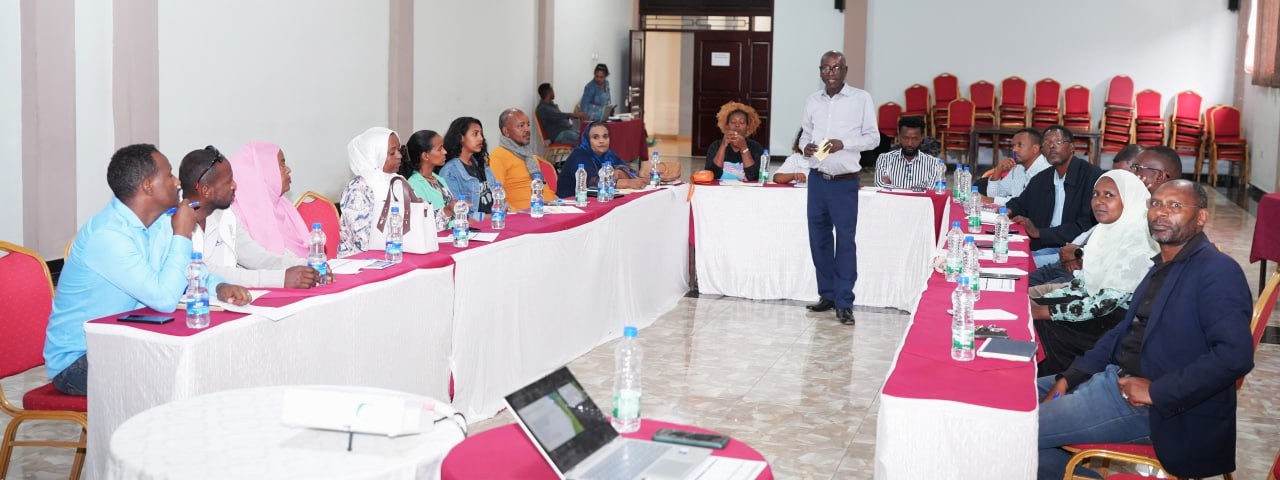
The training brought together key stakeholders involved in urban water governance, including representatives from utilities, civil society organizations and customer forums members to enhance understanding of urban water governance in Ethiopia, emphasize the importance of citizen voice in service delivery, introduce social accountability approaches, identify barriers to citizen participation, promote inclusive engagement platforms, and explore tools for grievance redress and accountability.
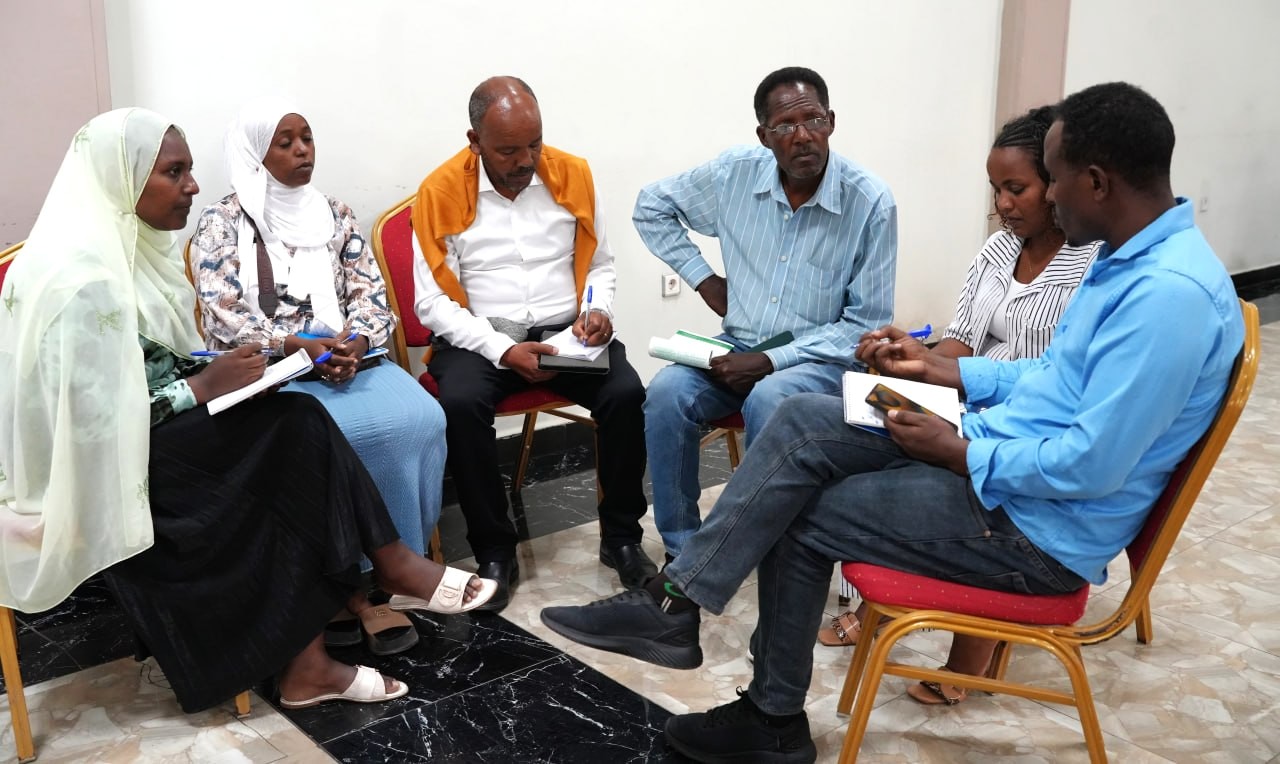
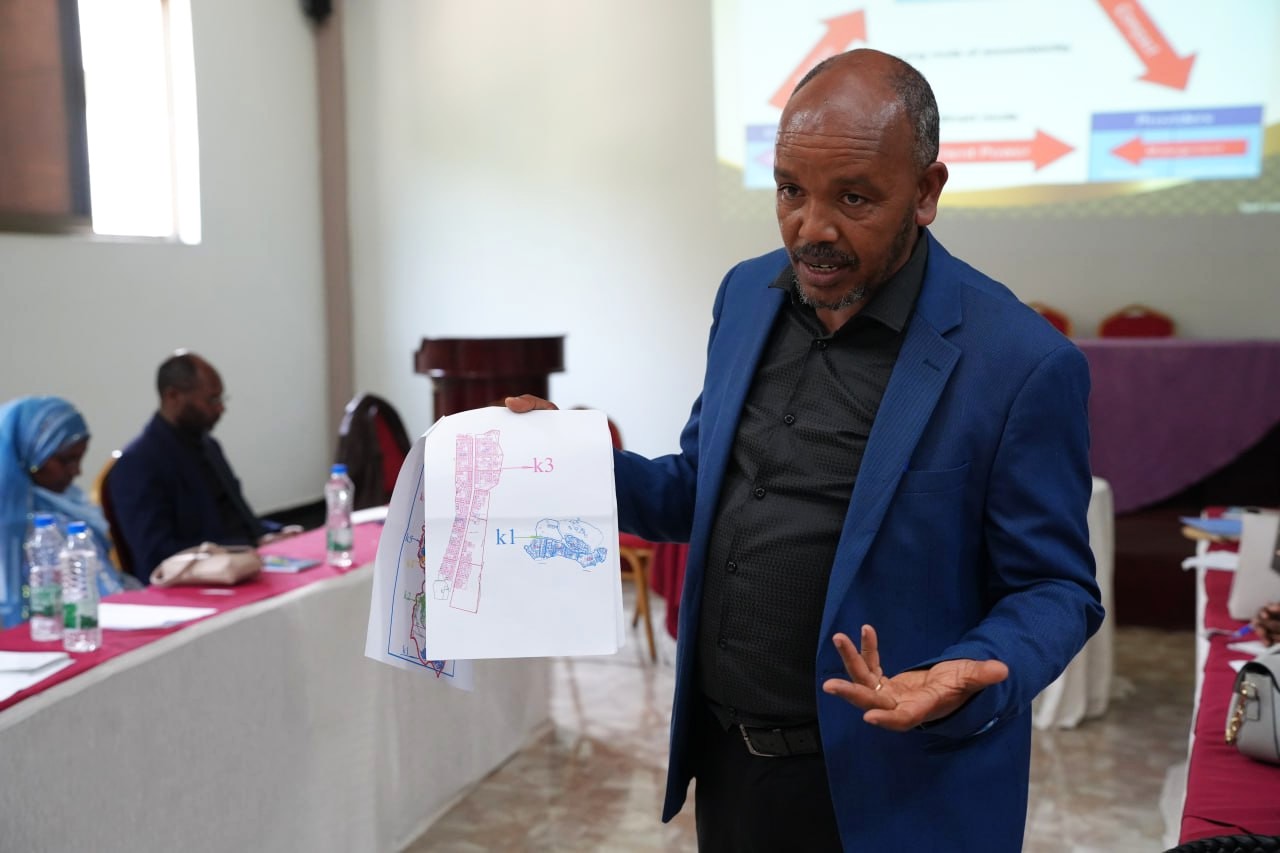
Through interactive discussions, Q&A sessions, and case-based reflections, participants explored barriers to citizen participation, stakeholder roles, and strategies for inclusive platforms in urban water governance.
They shared experiences from their towns and institutions, highlighting challenges such as limited awareness of feedback mechanisms, weak communication between utilities and users, institutional capacity constraints, and low participation of women, youth, and marginalized groups.
The sessions promoted peer learning and examined existing engagement practices such as community meetings, complaint desks, and customer service units. Participants also explored practical improvements, including strengthening communication channels, raising public awareness, promoting inclusivity, and institutionalizing citizen feedback systems within water utilities.
The training underscored the power of citizen voice in transforming urban water services. Active participation not only increases transparency and accountability but also ensures that water services truly meet community needs. Stakeholders left equipped and motivated to strengthen engagement platforms, embed social accountability tools, and enhance grievance redress mechanisms, paving the way for a future where every water drop counts and every citizen’s voice matters.