𝐁𝐮𝐢𝐥𝐝𝐢𝐧𝐠 𝐖𝐡𝐚𝐭 𝐂𝐨𝐦𝐞𝐬 𝐍𝐞𝐱𝐭, 𝐓𝐨𝐠𝐞𝐭𝐡𝐞𝐫
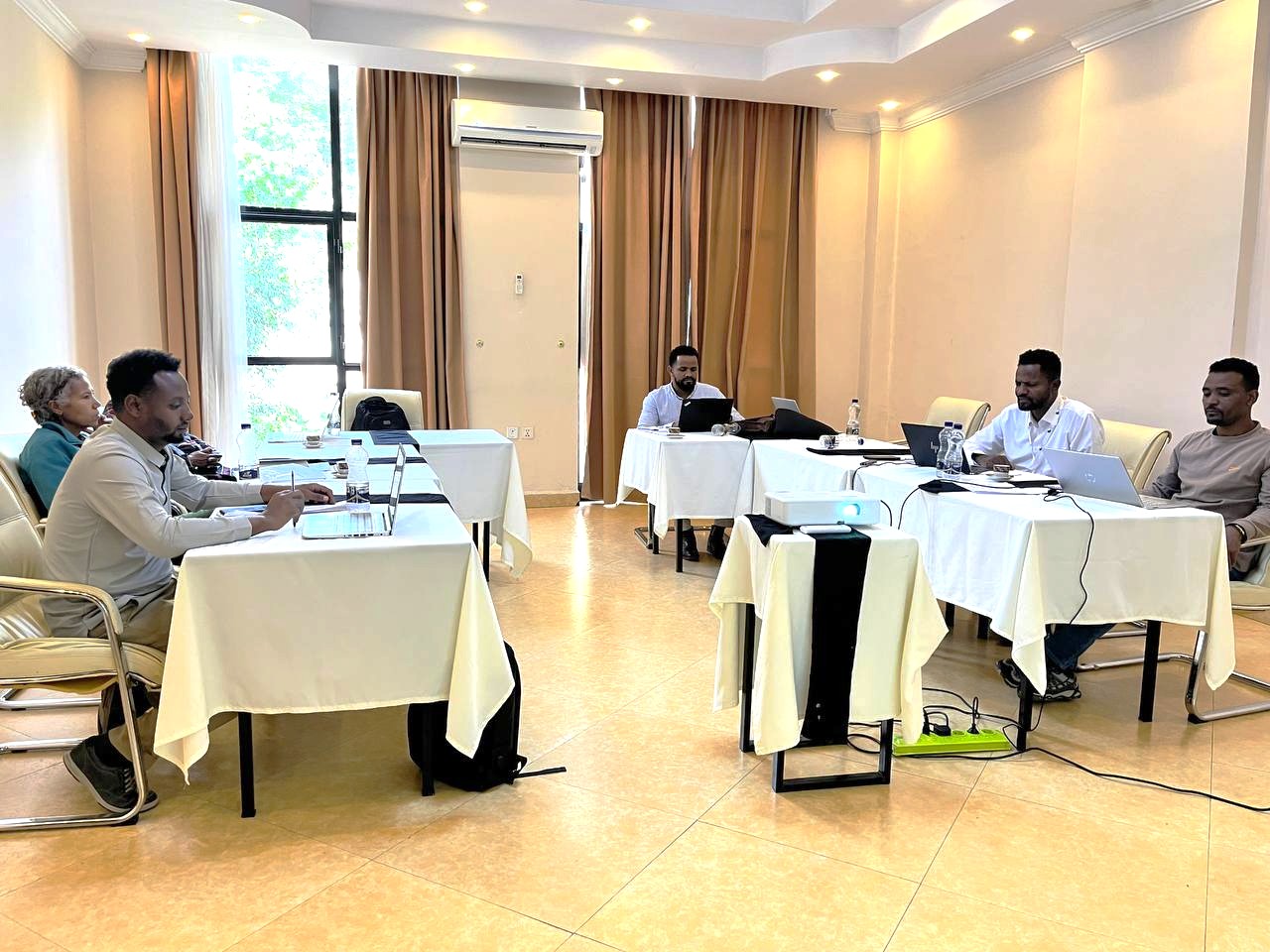
𝐖𝐡𝐚𝐭 𝐜𝐨𝐮𝐥𝐝 𝐡𝐚𝐩𝐩𝐞𝐧 𝐢𝐟 𝐨𝐫𝐠𝐚𝐧𝐢𝐳𝐚𝐭𝐢𝐨𝐧𝐬 𝐰𝐢𝐭𝐡 𝐝𝐢𝐟𝐟𝐞𝐫𝐞𝐧𝐭 𝐦𝐚𝐧𝐝𝐚𝐭𝐞𝐬, 𝐧𝐞𝐭𝐰𝐨𝐫𝐤𝐬, 𝐚𝐧𝐝 𝐞𝐱𝐩𝐞𝐫𝐢𝐞𝐧𝐜𝐞𝐬 𝐜𝐚𝐦𝐞 𝐭𝐨𝐠𝐞𝐭𝐡𝐞𝐫 𝐧𝐨𝐭 𝐬𝐢𝐦𝐩𝐥𝐲 𝐭𝐨 𝐜𝐨𝐨𝐫𝐝𝐢𝐧𝐚𝐭𝐞 𝐛𝐮𝐭 𝐭𝐨 𝐬𝐡𝐚𝐩𝐞 𝐚 𝐦𝐨𝐫𝐞 𝐥𝐨𝐜𝐚𝐥𝐥𝐲 𝐥𝐞𝐝 𝐡𝐮𝐦𝐚𝐧𝐢𝐭𝐚𝐫𝐢𝐚𝐧 𝐟𝐮𝐭𝐮𝐫𝐞 𝐟𝐨𝐫 𝐄𝐭𝐡𝐢𝐨𝐩𝐢𝐚? This question brought together national humanitarian consortia and representatives for the co-creation workshop on “𝐋𝐨𝐜𝐚𝐥𝐢𝐳𝐚𝐭𝐢𝐨𝐧 𝐆𝐨𝐯𝐞𝐫𝐧𝐚𝐧𝐜𝐞, 𝐂𝐨𝐥𝐥𝐞𝐜𝐭𝐢𝐯𝐞 𝐀𝐜𝐭𝐢𝐨𝐧 𝐚𝐧𝐝 𝐎𝐩𝐞𝐫𝐚𝐭𝐢𝐨𝐧𝐚𝐥𝐢𝐳𝐚𝐭𝐢𝐨𝐧 𝐨𝐟 𝐭𝐡𝐞 𝐇𝐮𝐦𝐚𝐧𝐢𝐭𝐚𝐫𝐢𝐚𝐧 𝐂𝐨𝐧𝐬𝐨𝐫𝐭𝐢𝐮𝐦 𝐀𝐥𝐥𝐢𝐚𝐧𝐜𝐞” held at Lake Bishoftu Resort on 8–9 September 2026.
Convened by the Consortium of Christian Relief and Development Associations through the National Humanitarian Forum (CCRDA-NHF), the workshop created space for humanitarian actors to reflect, exchange experiences, and explore how they can work together more effectively to strengthen nationally led humanitarian action. At the center of the discussion was a shared ambition to build a humanitarian system that is better coordinated, more inclusive, and accountable to the people and communities it serves.
The workshop brought together organizations with different areas of expertise, networks, and mandates, recognizing that no single organization can address Ethiopia’s complex humanitarian challenges alone. Rather than focusing only on how existing actors can coordinate their activities, participants explored how their complementary strengths could contribute to collective leadership, shared action, and greater impact.
Through facilitated discussions, group work, and plenary sessions, participants began identifying areas where collective efforts could add greater value. These included strengthening humanitarian leadership and capacity sharing, advancing localization governance and representation, promoting community leadership and inclusion, strengthening accountability, advancing more equitable partnerships and resource mobilization, and improving humanitarian information, learning, preparedness, and innovation.
The conversations also moved towards practical action. Participants explored opportunities for joint advocacy and representation, knowledge and information sharing, collaborative initiatives, resource mobilization, and coordinated action.
By the end of the two days, participating organizations expressed a commitment to continue the conversation and explore more systematic ways of working together.
For CCRDA and its partners, Building What Comes Next, Together means creating stronger connections between national humanitarian actors, strengthening locally led solutions, and contributing to a humanitarian system that is more inclusive, accountable, equitable, and responsive.