𝐒𝐭𝐫𝐞𝐧𝐠𝐭𝐡𝐞𝐧𝐢𝐧𝐠 𝐭𝐡𝐞 𝐅𝐮𝐭𝐮𝐫𝐞 𝐨𝐟 𝐈𝐦𝐦𝐮𝐧𝐢𝐳𝐚𝐭𝐢𝐨𝐧
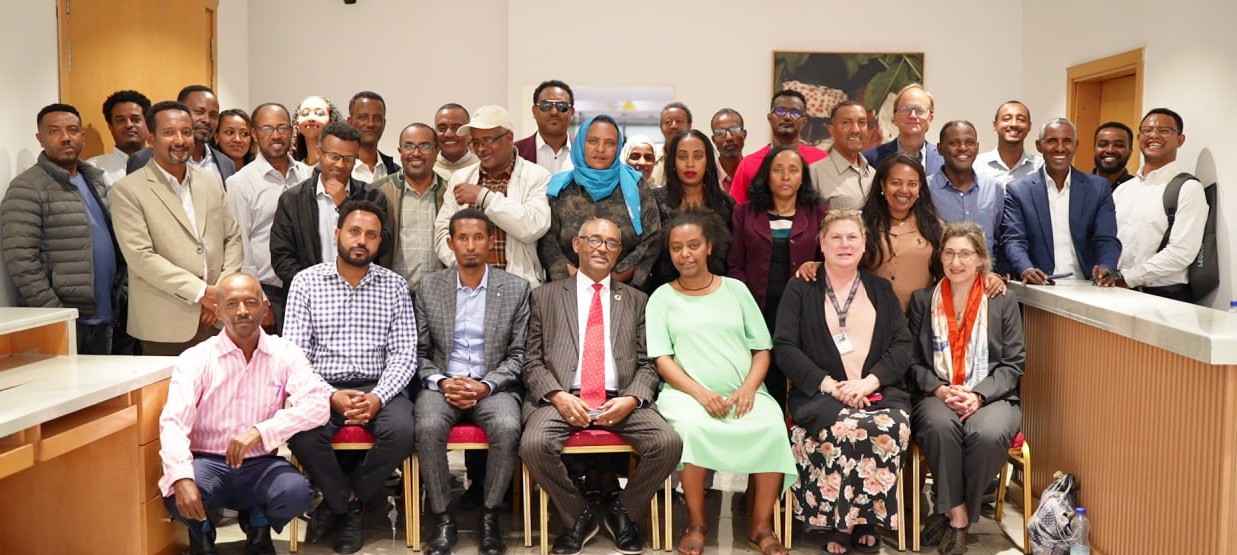
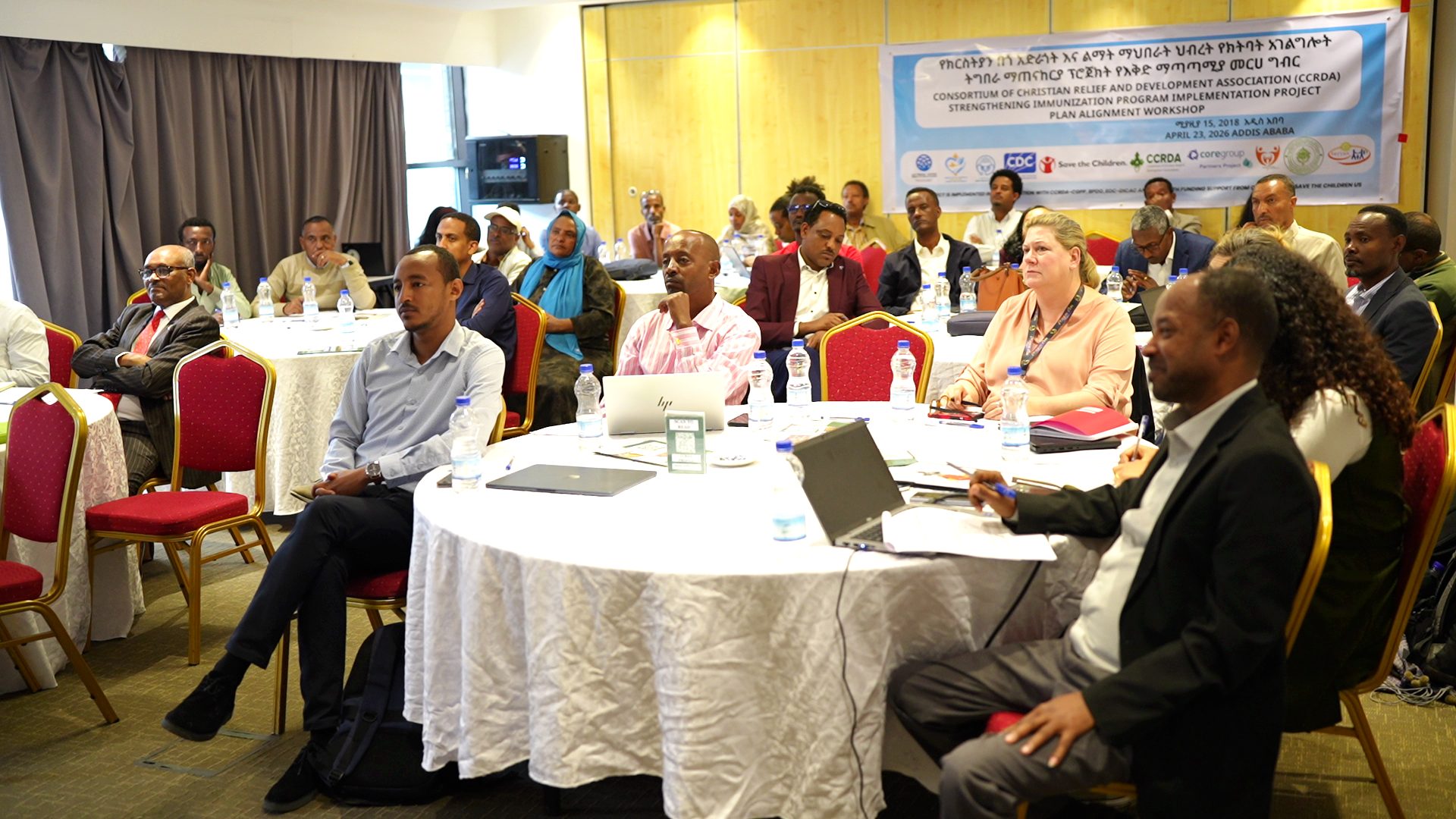
The Core Group Partners Project (CGPP), under the Consortium of Christian Relief and Development Associations (CCRDA), hosted a Project Plan Alignment Workshop for the CDC Strengthening Immunization Program (CDC-SIP) Year 2 on April 23, 2026, at the Ramada Hotel in Addis Ababa. The workshop brought together representatives from CCRDA, the Ministry of Health, the Centers for Disease Control and Prevention (CDC), Save the Children US, implementing partners, and zonal health departments to review Year 1 performance, share lessons learned, and align priorities for the upcoming implementation period.
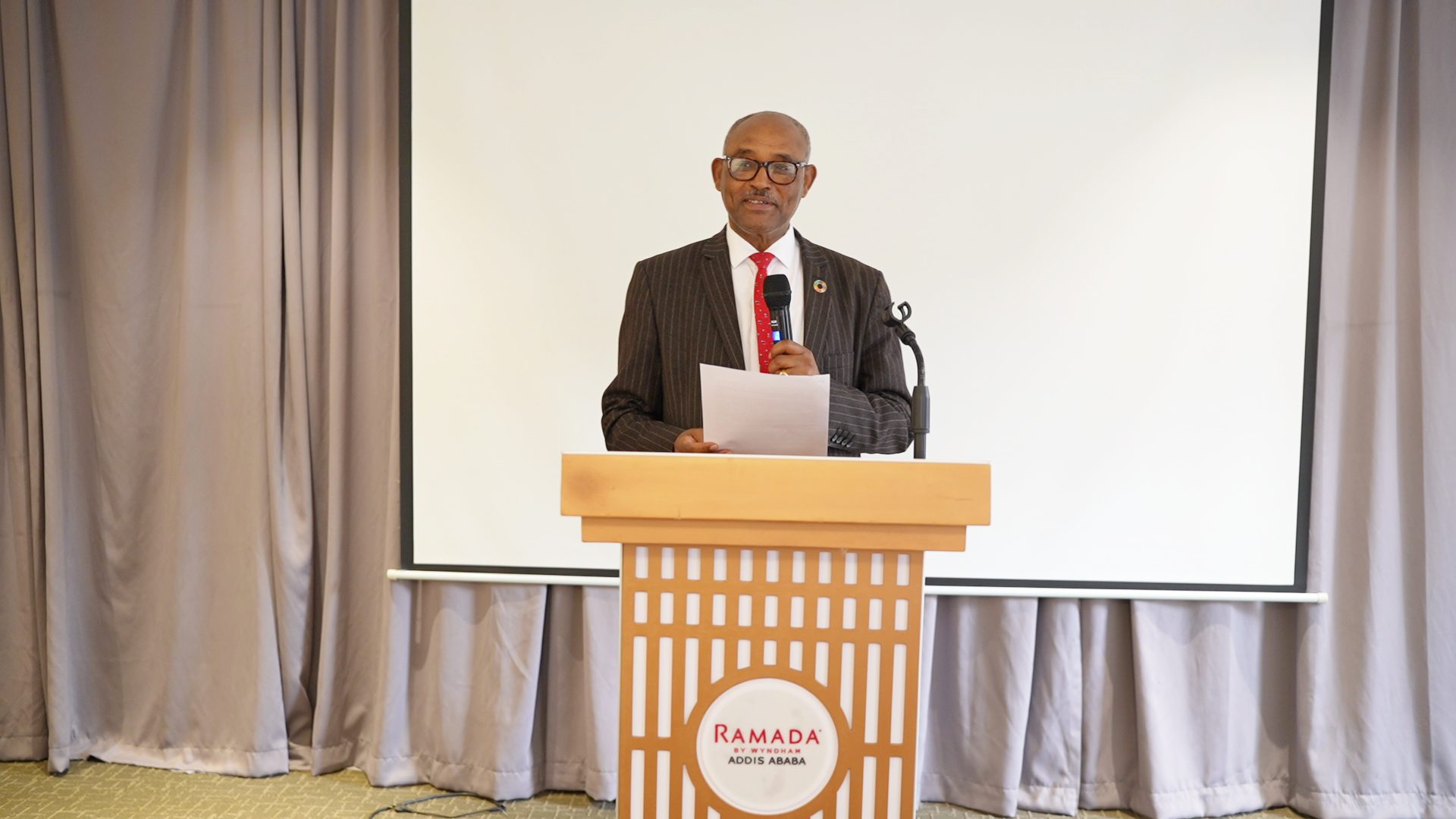
The event opened with welcoming remarks from Negussu Legesse (PhD), Executive Director of CCRDA, who emphasized the importance of strong partnerships and expressed appreciation to donors, implementing partners, and regional health bureaus. His message highlighted a shared commitment to strengthening Ethiopia’s immunization system and improving community health across the country.
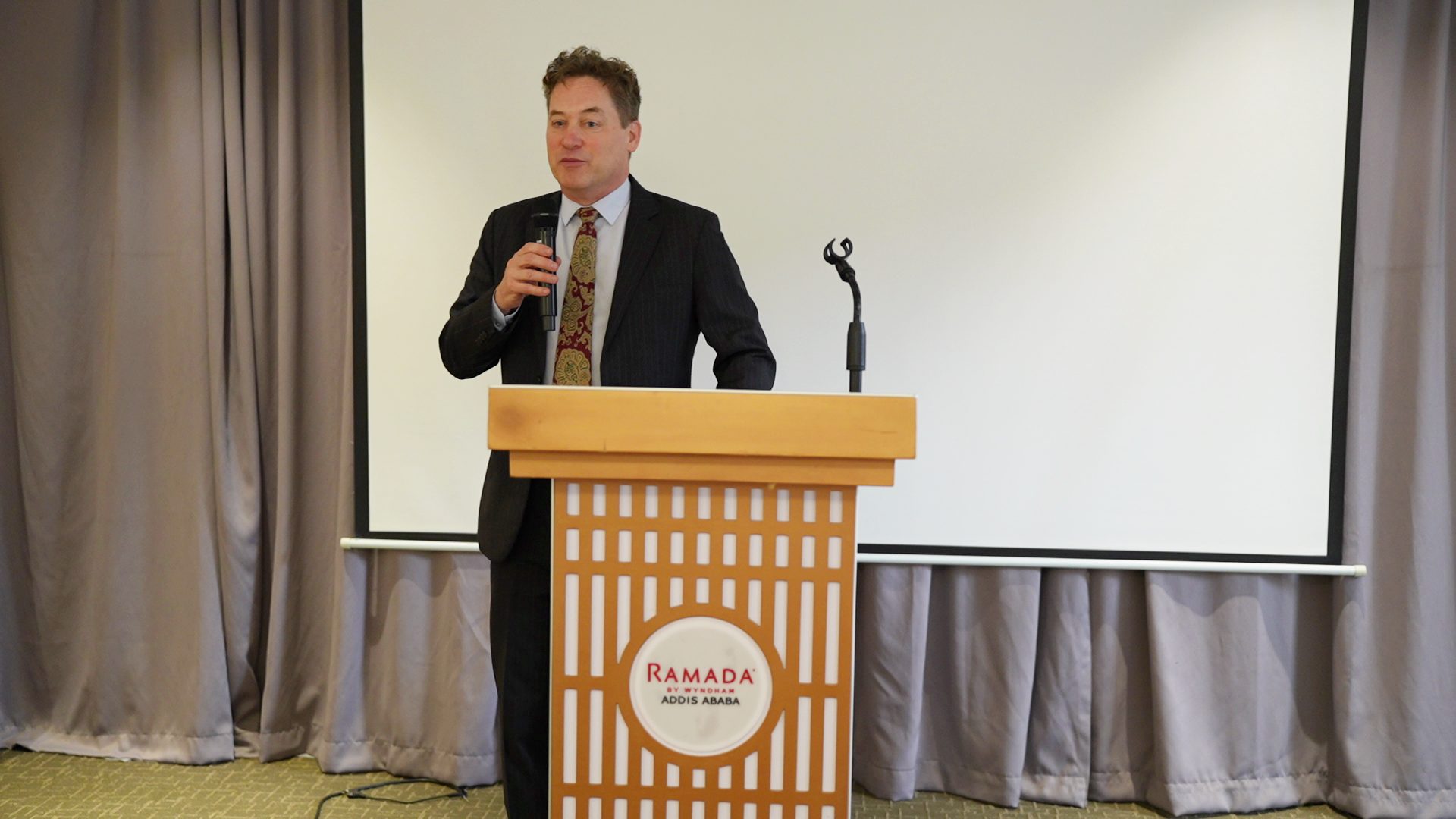
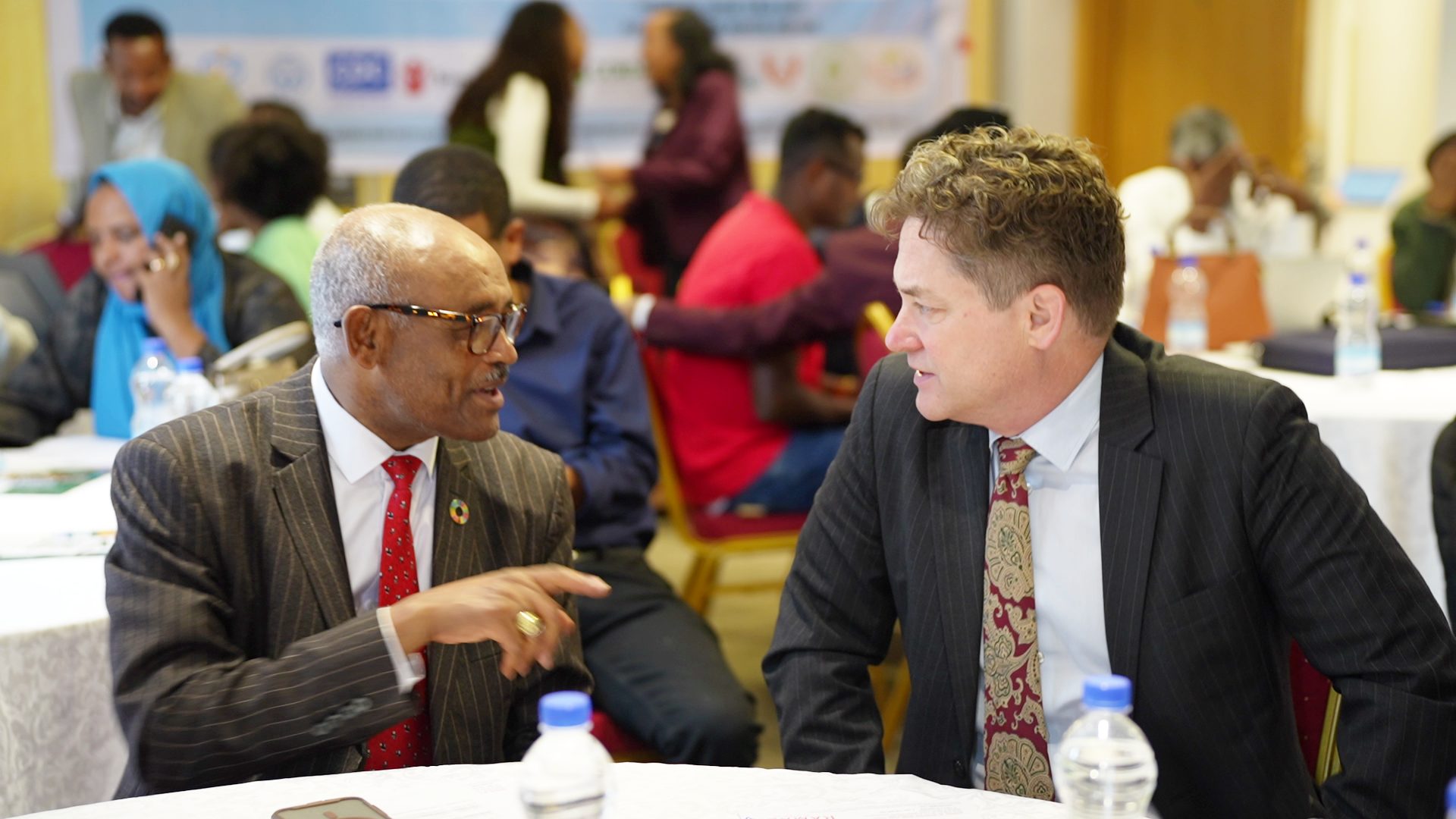
A key insight remarked upon was given by David Schnabel, Program Director at the CDC, who recognized the substantial progress made in Ethiopia’s immunization program and noted its continued movement toward global standards. Despite this progress, he stressed the need for further work to reach underserved populations and reinforce system capacity, particularly in rural areas where access to healthcare services remains limited. He also emphasized that this moment marks a new phase of collaboration between CCRDA and CDC, enabling both organizations to work more closely to achieve sustainable, long-term impact.
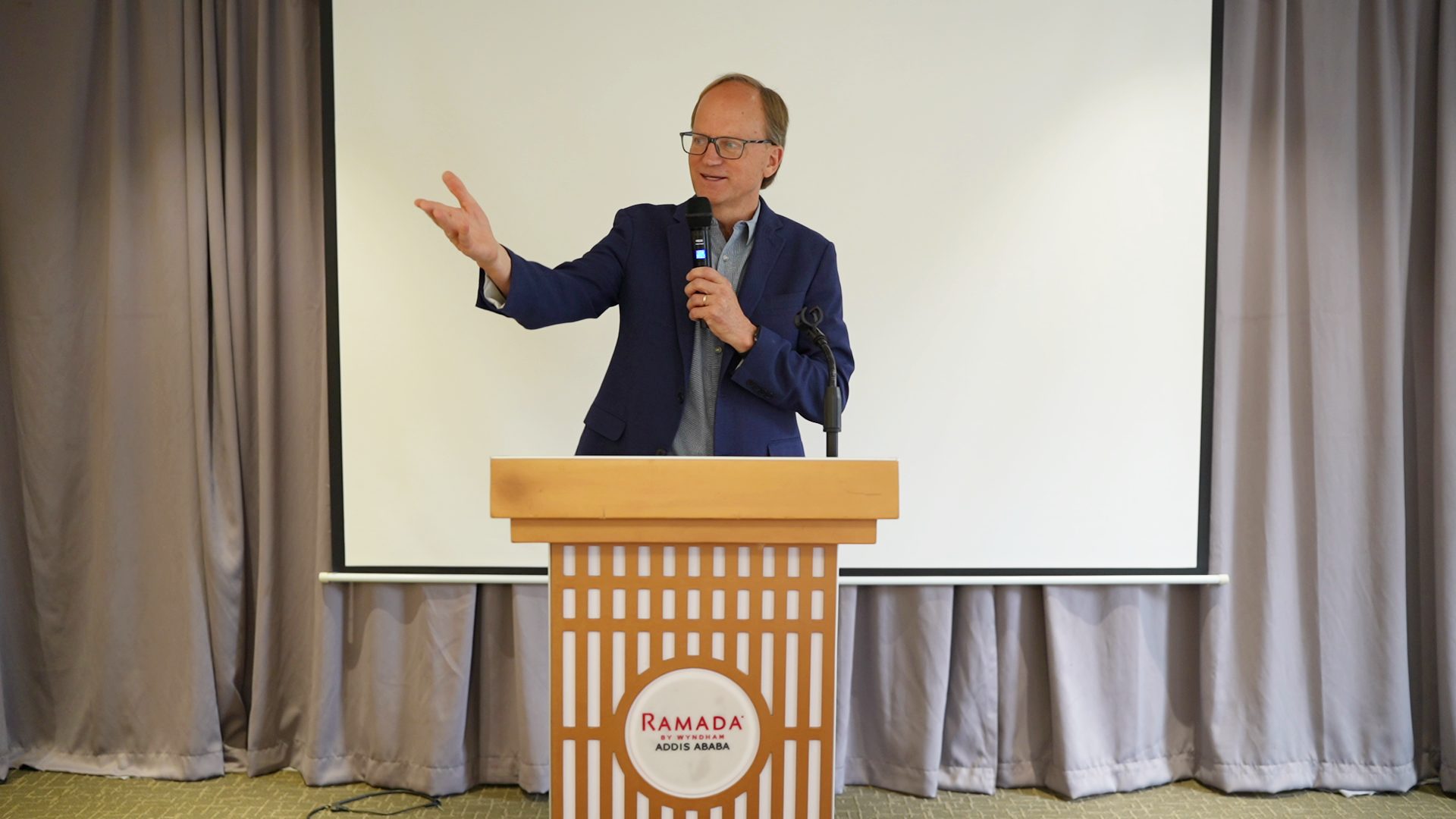
Save the Children US also highlighted the value of collaboration and mutual support. Eric Andrew, Senior Director for Child Health, acknowledged the collective efforts of Save the Children and partners, noting their contribution to a successful implementation year. His remarks reinforced the importance of teamwork and continuous improvement.
A national immunization update was delivered by Dr. Degisew Derso from the Ministry of Health . His presentation covered key successes, challenges, lessons learned, and future priorities for the immunization program. Priority focus areas included strengthening routine immunization activities, identifying and reaching zero-dose and unvaccinated children, building the capacity of healthcare workers, enhancing community engagement and advocacy, improving last-mile vaccine and logistics distribution, strengthening evidence generation through digital tools, and ensuring quality, equity, and sustainability of immunization services.
The workshop also featured several technical sessions, including presentations on Year 1 implementation experience by SCI, an overview of the digital immunization system by ACASUS, and a detailed presentation by Legesse Kidanne, Secretariat Director, and Sr. Alemnesh Teka, Immunization Advisor of CGPP, CCRDA, CGPP, and the Year 2 work plan. These sessions outlined priority activities, implementation timelines, coordination mechanisms, and key areas requiring improvement. Participants then engaged in group work to ensure that Year 2 activities were fully aligned with national and regional priorities.
Additionally, a session on child safeguarding was delivered by Save the Children in the US, emphasizing accountability, reporting systems, and the importance of protecting children throughout project implementation. This session reinforced the need for all partners to adhere to safeguarding standards and ensure safe programming.
Overall, the CDC-SIP project aims to strengthen immunization services in underserved areas by improving vaccine delivery, enhancing disease surveillance, expanding outreach services, and building the capacity of health workers and communities. Through close collaboration with government entities and implementing partners, the project seeks to increase immunization coverage, reduce vaccine-preventable diseases, and advance public health outcomes across the targeted regions.